Transforming Primary Education in Bangladesh Through Educational Technology
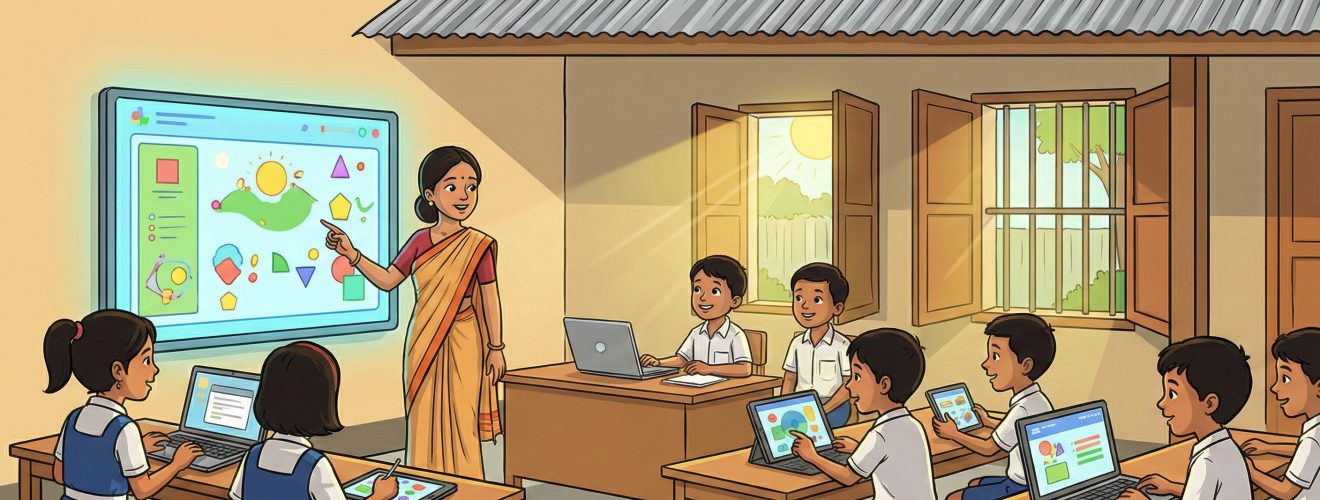
Primary education is the cornerstone of a child’s development. It shapes not only academic skills but also critical thinking, social awareness, and ethical foundations. In Bangladesh, expanding access to primary education has been a key achievement over the past decades. Yet, ensuring that children receive high-quality learning experiences remains a pressing challenge. In this context, educational technology or EdTech emerges as a powerful tool capable of transforming the way children learn, teachers teach, and schools operate.
EdTech is not merely a set of digital devices or tools. When implemented effectively, it enhances classroom engagement, strengthens teachers’ instructional capacity, and builds resilience within the education system. However, the promise of EdTech in Bangladesh is not automatic. It comes with challenges related to infrastructure, teacher preparedness, sustainability, and equitable access. Without strategic planning, technology risks deepening existing inequalities rather than bridging them.
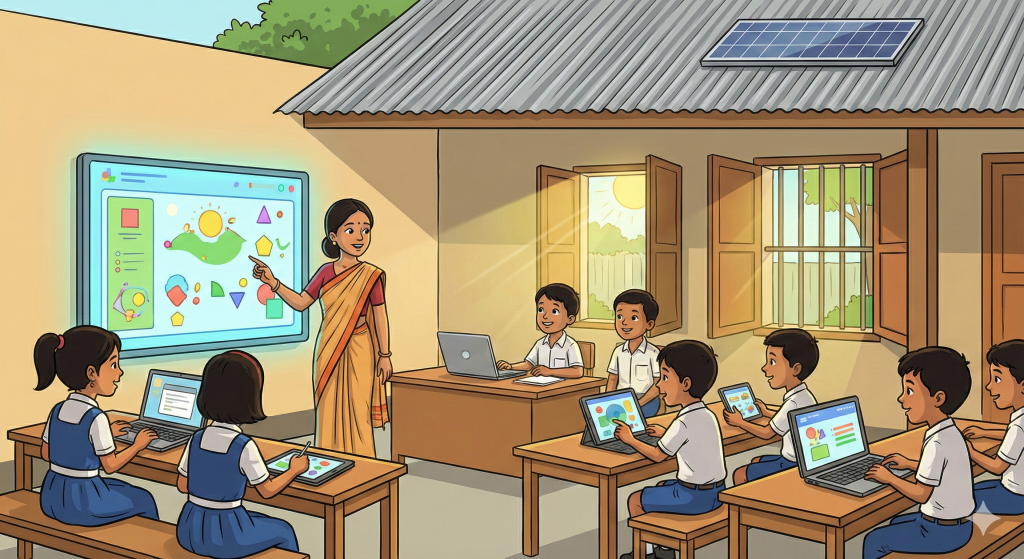
EdTech enabled Classroom
The Current Landscape
Bangladesh has made notable strides in integrating technology into primary education. National initiatives such as Digital Bangladesh and Smart Bangladesh have prioritized ICT in schools. Hundreds of primary schools have been equipped with digital classrooms featuring laptops, smart displays, internet access, projectors, and solar-powered devices. These investments demonstrate strong political commitment and signal recognition of technology’s role in education.
Despite these efforts, significant gaps remain. Many schools are unable to fully utilize available technology due to inadequate maintenance, limited technical support, or inconsistent power supply. Teachers often lack sufficient training to integrate technology meaningfully into lessons. While most educators view EdTech positively, practical usage remains limited, highlighting the need for professional development that goes beyond device operation to pedagogical integration.
Another critical concern is infrastructure equity. Not all schools are equally prepared. Rural and under-resourced areas often face unstable electricity, poor connectivity, and insufficient devices. Without addressing these disparities, technology adoption risks benefiting only a segment of students while leaving others behind.
The COVID-19 pandemic highlighted both the potential and limitations of EdTech. Remote learning became essential during school closures, but access was uneven. Many students lacked devices or internet connectivity, and digital curricula were not always available. Nevertheless, parents and teachers recognized that, when properly supported, technology could sustain learning during crises. This experience underscores the importance of creating inclusive, resilient EdTech systems that serve all children, regardless of socio-economic background.
Opportunities and Potential
When implemented thoughtfully, EdTech offers several advantages:
- Enhanced Engagement and Learning: Interactive lessons, videos, and educational animations make abstract concepts more understandable and learning more engaging. Students are more likely to retain information and actively participate in their own education.
- Teacher Empowerment: Technology enables teachers to diversify instructional approaches beyond traditional lectures. With training, teachers can design interactive lessons, track student progress digitally, and customize content to student needs.
- Equity in Learning Resources: Digital platforms can provide high-quality educational content to remote and under-resourced schools, helping to reduce gaps in learning opportunities.
- Crisis Preparedness: The experience of the pandemic demonstrated that digital learning can ensure continuity in education when schools are closed due to health crises, natural disasters, or other emergencies.
- Alignment with National Goals: Integrating EdTech supports broader national priorities, including the government’s vision for a Smart Bangladesh, signaling strong policy backing for digital transformation in education.
Challenges and Risks
At the same time, EdTech introduces challenges that must be addressed carefully:
- Infrastructure Inequities: Many schools lack stable electricity, reliable internet, or sufficient devices. Without infrastructure readiness, digital tools cannot be effectively utilized.
- Teacher Preparedness: Positive attitudes towards technology do not automatically translate into effective usage. Teachers need ongoing, practical, and context-sensitive professional development.
- Sustainability Concerns: Without proper maintenance and replacement plans, hardware can quickly become obsolete, rendering investments ineffective.
- Digital Divide: Students from low-income families or remote areas may miss out if digital initiatives focus only on well-connected urban schools.
- Pedagogical Misuse: Technology used solely for presentation rather than active learning can reinforce teacher-centered approaches, rather than promoting interactive, student-centered learning.
- Governance and Coordination: Multiple agencies often manage EdTech initiatives. Without clear coordination, resources can be wasted, or projects may fail to scale effectively.
- Data Privacy and Ethics: Collecting student data via digital platforms requires careful attention to consent, privacy, and ethical use.
A Strategic Approach to EdTech Integration
To fully realize the potential of technology in primary education, a structured, strategic approach is essential. Key pillars of this approach include:
- Infrastructure Readiness: Conduct comprehensive assessments of connectivity, power supply, and device availability. Prioritize resource allocation to schools with limited infrastructure and establish sustainable maintenance plans with local technical support.
- Teacher Capacity Building: Expand pre-service and in-service training that goes beyond device operation to focus on pedagogical integration, interactive lesson design, and localized content adaptation. Develop communities of practice where teachers can exchange ideas and co-create learning materials.
- Contextualized Pedagogical Design: Ensure that digital content is age-appropriate, culturally relevant, and available in Bengali. Blend digital activities with hands-on learning, group discussions, and project-based tasks to create a holistic learning environment.
- Governance and Coordination: Establish inter-agency collaboration among education authorities, ICT departments, and local administrations. Define national strategies with measurable targets for technology access, usage, and impact on learning outcomes. Embed EdTech metrics in education management systems to track progress.
- Equity, Inclusion, and Resilience: Use tiered implementation strategies to reach under-resourced and remote schools. Provide offline or low-bandwidth resources where internet access is limited. Develop policies to protect student data and ensure digital safety. Institutionalize remote learning solutions through radio, television, or downloadable materials to maintain continuity during crises.
Moving Forward
Educational technology offers Bangladesh a rare opportunity to modernize primary education. Properly implemented, it can enhance learning quality, empower teachers, and build resilience across the education system. However, without strategic planning and inclusive design, technology risks widening gaps in access and learning outcomes.
A comprehensive, equity-focused framework ensures that EdTech becomes a transformative force rather than a superficial tool. By aligning infrastructure, teacher capacity, pedagogy, governance, and equity, Bangladesh can create a digital learning ecosystem that serves every child effectively.
The country stands at a pivotal moment. With decisive action, educational technology can catalyze a new era in primary education one defined by quality, inclusion, and innovation. Future generations of students can gain the skills, confidence, and creativity required to thrive in a rapidly changing world, while teachers are empowered to deliver lessons that inspire and engage.
If policymakers, educators, communities, and private partners work together strategically, EdTech can become not just an instrument of modernization, but a driver of meaningful educational transformation across Bangladesh.


