Teachers as Influencers: The Most Powerful Tool to Improve Primary Education
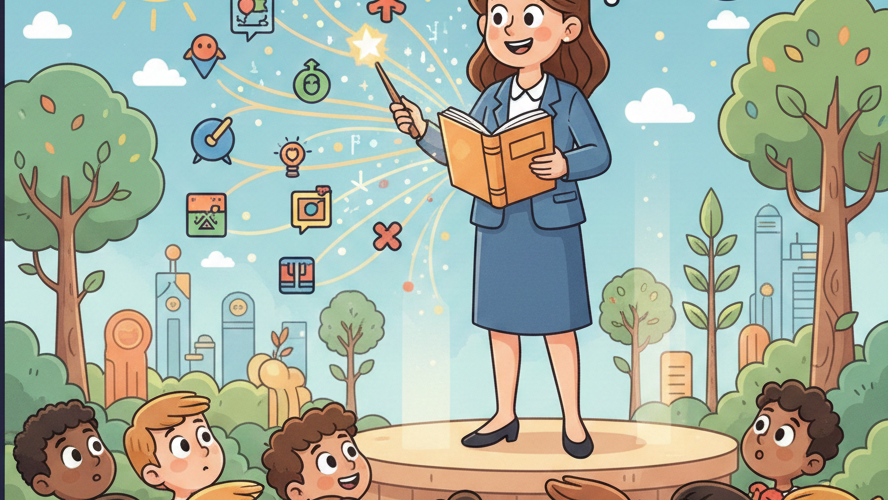
Primary education is the foundation of every child’s learning journey. It is during these formative years that children acquire not only literacy and numeracy skills but also critical thinking abilities, social-emotional understanding, and habits that shape their lifelong relationship with knowledge. While policies, infrastructure, and curricula play an important role, there is one factor that consistently proves to be the most transformative teachers.
Teachers are the influencers of the classroom;the individuals who can ignite curiosity, nurture resilience, and instill values that extend far beyond the academic syllabus. Their influence is not limited to delivering lessons; it permeates students’ attitudes toward learning, confidence, creativity, and even their long-term life choices.
In this article, we explore why teachers are the most powerful tool for improving primary education, the mechanisms through which they influence students, the challenges they face, and strategies to empower them to maximize their impact.
1. The Role of Teachers in Primary Education
At the primary level, education is not just about knowledge acquisition;it is about shaping personalities and laying the groundwork for a child’s future. Teachers perform multiple roles:
- Educators: They teach core subjects like reading, writing, mathematics, and science.
- Mentors: They guide students in developing social and emotional skills.
- Role Models: Children often emulate teachers’ behavior, work ethic, and attitude toward learning.
- Motivators: They inspire students to explore, question, and take initiative.
- Influencers: Their feedback, encouragement, and expectations shape students’ self-perception and aspirations.
Research shows that teacher quality is the single most significant school-related factor affecting student learning outcomes. While school infrastructure, technology, and curricula are important, they cannot replace the influence of an engaged, committed, and skilled teacher.
2. Why Teachers Are the Most Powerful Influencers
2.1 Direct Interaction with Students
Teachers interact with students daily, providing feedback, encouragement, and guidance. This consistent presence allows them to shape not only academic skills but also emotional resilience, critical thinking, and interpersonal skills. Unlike other educational interventions, the impact of a teacher is immediate and personal.
2.2 Shaping Mindsets Early
Primary education coincides with the age when children are most receptive to influence. A teacher’s words and actions can instill a growth mindset, curiosity, and confidence in students. A child who believes they are capable of learning is more likely to succeed academically and socially.
2.3 Building Lifelong Learning Habits
Teachers can model curiosity, persistence, and a love for learning. Students exposed to teachers who emphasize understanding over rote memorization are more likely to develop analytical and problem-solving skills that last a lifetime.
2.4 Bridging Social and Economic Gaps
Teachers often serve as the primary point of contact between students and knowledge. For children from underprivileged communities, teachers can provide mentorship, guidance, and access to opportunities they might not otherwise receive. In this sense, teachers are not just educators but agents of social change.
3. The Mechanisms of Influence
Teachers influence students through multiple channels:
3.1 Emotional Support
Emotional support from teachers can boost student confidence, motivation, and engagement. Studies in educational psychology highlight that students who perceive teachers as caring and supportive perform better academically and exhibit stronger social skills.
3.2 Academic Feedback
Constructive feedback helps students identify strengths, overcome weaknesses, and build resilience. A teacher who frames mistakes as opportunities for learning encourages students to embrace challenges rather than fear failure.
3.3 Role Modeling
Children observe and imitate teacher behavior. A teacher who demonstrates patience, curiosity, and respect teaches these traits more effectively than any lesson plan or policy.
3.4 Goal Setting and High Expectations
Teachers who set clear, high expectations and provide the guidance to meet them instill a sense of purpose and motivation in students. Expectation-driven performance is a well-documented phenomenon in educational research.
3.5 Creating an Inclusive Learning Environment
An inclusive classroom fosters belonging and participation. Teachers who actively promote equity, respect diversity, and celebrate differences create an environment where every child feels valued, which significantly improves engagement and learning outcomes.
4. Challenges Teachers Face
Despite their critical role, teachers often encounter obstacles that limit their ability to maximize influence.
4.1 Lack of Professional Development
Many primary teachers lack access to continuous training that equips them with modern pedagogical methods, classroom management skills, and strategies for social-emotional learning.
4.2 Low Compensation and Recognition
In many regions, teachers are undervalued and underpaid. This can lead to low morale, reduced motivation, and high attrition rates, which directly affect student learning.
4.3 Large Class Sizes
Overcrowded classrooms make it difficult for teachers to give individualized attention, monitor student progress effectively, and address diverse learning needs.
4.4 Limited Resources
A lack of teaching aids, technology, and learning materials hampers teachers’ ability to provide interactive and engaging lessons.
4.5 Societal Perceptions
In some societies, teaching;especially at the primary level;is not considered a prestigious profession. This affects recruitment of high-quality educators and diminishes the societal support teachers need.
5. Strategies to Empower Teachers as Influencers
To leverage teachers’ influence effectively, it is essential to invest in them, support them, and recognize their role as agents of change.
5.1 Professional Development and Training
Regular, high-quality training programs equip teachers with the skills needed to adapt to evolving curricula, integrate technology, and apply innovative teaching methods. Focus areas should include:
- Active learning techniques
- Emotional intelligence and social-emotional learning
- Inclusive education
- Classroom management strategies
5.2 Mentorship and Peer Support
Experienced teachers can mentor newer educators, sharing strategies for engagement, conflict resolution, and classroom innovation. Peer collaboration also fosters creativity and problem-solving.
5.3 Recognition and Incentives
Acknowledging teachers’ achievements and providing incentives improves motivation and performance. Recognition can be through awards, public appreciation, or career advancement opportunities.
5.4 Reducing Administrative Burden
Minimizing non-teaching tasks allows teachers to focus on student interaction, lesson planning, and professional development.
5.5 Leveraging Technology
Digital tools and resources can help teachers create interactive lessons, assess learning outcomes, and reach students more effectively. Technology, however, should complement;not replace;the teacher’s influence.
6. Real-Life Examples of Teacher Influence
6.1 Inspiring Change in Underserved Communities
In rural areas of Bangladesh, dedicated teachers have transformed classrooms with minimal resources. Through personal attention, storytelling, and encouragement, these teachers help children achieve literacy and numeracy levels comparable to urban peers.
6.2 Fostering Creativity and Critical Thinking
Teachers who incorporate project-based learning, art, and problem-solving activities cultivate innovation. For example, a science teacher who guides students to design experiments encourages analytical thinking and curiosity that lasts a lifetime.
6.3 Emotional Support During Crisis
Teachers often act as anchors for children during social or family crises. By providing stability, understanding, and encouragement, they prevent dropout and support continued engagement in learning.
7. The Broader Impact of Empowered Teachers
Empowering teachers does not just improve individual student outcomes; it strengthens communities and society. Educated, confident children are more likely to pursue higher education, contribute to the economy, and engage in civic responsibilities. Teachers, therefore, are catalysts for social mobility, economic development, and societal resilience.
8. Policy Implications
Recognizing teachers as powerful influencers should inform education policies. Governments and organizations must:
- Allocate resources for teacher training and continuous development
- Improve teacher compensation and social recognition
- Reduce student-teacher ratios
- Integrate emotional intelligence and life skills into curricula
- Foster community and parental engagement in supporting teachers
Investments in teachers yield long-term returns not only in academic achievement but also in social cohesion, reduced inequality, and empowered generations.
9. Conclusion
Teachers are more than the conveyors of knowledge;they are influencers shaping the future of students and society. Their ability to motivate, inspire, and guide students surpasses the impact of infrastructure, curricula, or technology. Improving primary education is inseparable from investing in teacher empowerment.
Every child deserves a teacher who believes in their potential, encourages curiosity, and nurtures growth. By recognizing and supporting teachers as the most powerful tool in education, we can create learning environments where children not only acquire knowledge but also develop the confidence, creativity, and resilience to thrive in life.
The influence of a teacher lasts far beyond the classroom. It is in every confident step a child takes, every idea they pursue, and every dream they dare to chase. Teachers are not just shaping students; they are shaping the future.