Safe Learning Environment and Child Protection: Teacher Responsibility, Ethics, and Safeguarding
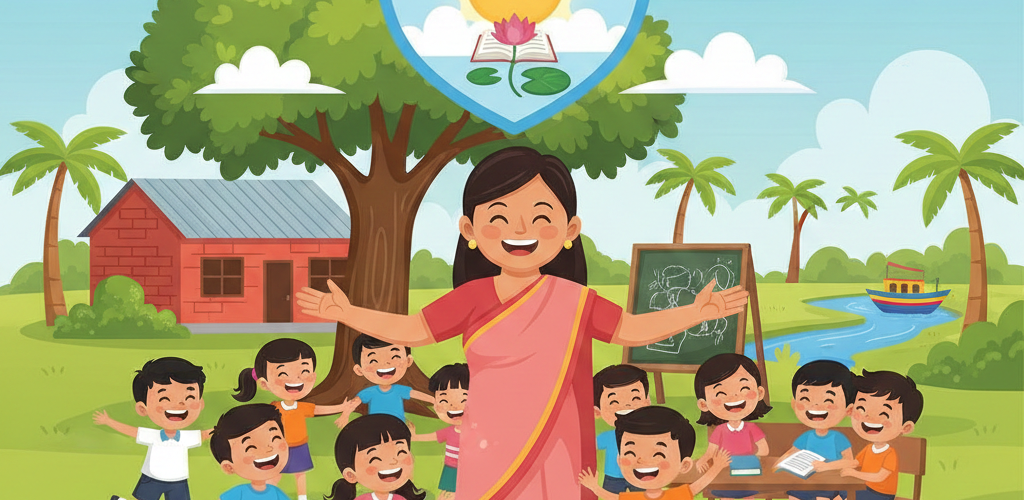
Education is one of the most fundamental rights of every child. It shapes not only knowledge and cognitive development but also character, social skills, and emotional well-being. However, children are vulnerable, and without a safe learning environment, education alone cannot ensure their holistic development. Ensuring safety, protecting children from harm, and providing a nurturing environment are integral responsibilities of schools and, most importantly, teachers. Beyond curriculum delivery, educators play a pivotal role in safeguarding children, promoting ethical behavior, and fostering trust and respect in educational spaces.
Understanding Child Protection
Child protection refers to the policies, procedures, and practices designed to prevent and respond to abuse, neglect, exploitation, and any form of harm to children. This includes physical, emotional, sexual, and social harm. International organizations such as UNICEF and WHO recognize child protection as a fundamental human right. A secure environment allows children to learn, grow, and develop to their full potential while feeling valued and respected.
The need for child protection stems from multiple factors:
- Physical Safety: Preventing accidents, injuries, and exposure to violence in schools.
- Psychological Safety: Protecting children from bullying, harassment, or emotional abuse.
- Educational Safety: Ensuring equitable access to learning and avoiding discrimination or neglect.
- Social Safety: Providing support for children to develop socially, emotionally, and morally.
Child protection is not solely a legal requirement; it is a moral and professional obligation for every educator.
Characteristics of a Safe Learning Environment
A safe learning environment is not merely about physical safety. It encompasses emotional, social, and psychological security, fostering holistic development. Key characteristics include:
- Physical Safety:
- Classrooms, playgrounds, and school facilities must be free from hazards.
- Fire safety measures, first aid equipment, and safe evacuation plans should be in place.
- Infrastructure should be maintained to prevent accidents and injuries.
- Emotional Safety:
- Children should feel secure in expressing ideas, asking questions, and participating in activities without fear of ridicule or punishment.
- Teachers and staff must practice empathy, understanding, and active listening to address emotional concerns.
- Children should feel secure in expressing ideas, asking questions, and participating in activities without fear of ridicule or punishment.
- Social Safety:
- A school environment should be inclusive, free from discrimination based on gender, ethnicity, religion, or social status.
- Children should be encouraged to develop social skills, empathy, and cooperative behavior.
- Educational Safety:
- Equal opportunities must be provided for learning, participation, and personal development.
- Teaching methods should consider different learning needs, abilities, and pace.
Teacher Responsibilities in Child Protection
Teachers are central to creating and maintaining a safe learning environment. Their responsibilities extend beyond academic instruction to the emotional, social, and physical well-being of children.
- Duty of Care:
- Teachers are accountable for children’s safety during school hours and related activities.
- They must identify risks, prevent harm, and respond appropriately to incidents of abuse or neglect.
- Ethical Responsibility:
- Educators must act with integrity, honesty, and fairness in all interactions with students.
- Respect for each child’s dignity and individuality is fundamental.
- Confidentiality and discretion in sensitive matters are critical.
- Safeguarding Practices:
- Teachers should be trained to recognize signs of abuse, neglect, or psychological distress.
- Preventive measures, such as creating safe spaces, monitoring interactions, and establishing clear behavioral guidelines, are essential.
- Advocacy and Support:
- Teachers often act as advocates for children, representing their needs and protecting them from harm.
- They should engage with parents, guardians, and authorities when concerns arise, ensuring that children receive appropriate support.
Principles of Child Protection
To implement effective child protection measures, educators must adhere to several guiding principles:
- Prevention:
- The first step in safeguarding children is preventing harm.
- Schools should implement strict policies, conduct risk assessments, and educate children about safety and rights.
- Participation:
- Children should be active participants in their own protection.
- Providing opportunities for children to express their concerns, opinions, and feelings strengthens safety measures and encourages self-advocacy.
- Protection:
- Immediate action must be taken when a child is at risk.
- This includes reporting to designated safeguarding officers, authorities, or child protection services.
- Confidentiality:
- Protecting sensitive information about children is crucial.
- Sharing information should be limited to those who need it for safeguarding purposes.
- Non-Discrimination:
- All children, regardless of gender, disability, ethnicity, or social status, must receive equal protection and opportunities.
- All children, regardless of gender, disability, ethnicity, or social status, must receive equal protection and opportunities.
- Accountability:
- Schools and educators must be accountable for implementing child protection policies.
- Regular audits, training, and monitoring help ensure accountability.
Creating a Safe Learning Environment: Practical Strategies
Educators and school management can adopt multiple strategies to maintain a secure environment for children:
- Active Supervision:
- Teachers should actively monitor students in classrooms, playgrounds, and during extracurricular activities.
- Early identification of concerning behavior or signs of distress is critical.
- Clear Codes of Conduct:
- Establish rules and guidelines for student and staff behavior.
- Promote positive discipline strategies rather than punitive measures.
- Collaboration with Parents and Community:
- Engage parents in their children’s learning and safety.
- Regular communication helps identify family-related risks and ensures continuity of care.
- Safe Physical Environment:
- Conduct regular safety audits of classrooms, playgrounds, and transportation facilities.
- Ensure emergency protocols, fire drills, and medical support are in place.
- Child-Centered Learning Approaches:
- Use teaching methods that respect individual needs, encourage creativity, and foster critical thinking.
- Inclusive teaching reduces anxiety and promotes a sense of belonging.
- Promoting Emotional Intelligence:
- Teach children to understand and manage emotions.
- Encourage empathy, collaboration, and conflict resolution skills.
Teacher Ethics and Professional Conduct
Ethical and professional behavior underpins the creation of safe learning environments. Key aspects include:
- Integrity:
- Treat all students fairly, without favoritism or discrimination.
- Uphold moral and professional standards consistently.
- Respect and Dignity:
- Recognize the individuality of each student and value their opinions.
- Establish mutual respect between students and staff.
- Responsibility:
- Actively maintain the safety, well-being, and holistic development of all students.
- Respond promptly to concerns, incidents, or breaches of safety.
- Continuous Professional Development:
- Teachers should undergo regular training on child protection, safeguarding, and inclusive education.
- Staying updated on best practices ensures a safe and supportive learning environment.
- Teachers should undergo regular training on child protection, safeguarding, and inclusive education.
Legal and Policy Frameworks
Child protection is reinforced by national laws and institutional policies. In many countries, including Bangladesh, various legal measures guide child safeguarding:
- Child Rights Legislation:
- Laws define children’s rights to protection, education, and health.
- Schools must comply with legal standards to safeguard children from abuse and exploitation.
- Child Protection Policies in Schools:
- Institutions often adopt comprehensive policies detailing responsibilities, reporting mechanisms, and preventive strategies.
- Staff must be familiar with these policies and apply them consistently.
- National and International Guidelines:
- Governments and organizations such as UNICEF provide frameworks for creating safe learning environments.
- These guidelines often include teacher training, child participation, and emergency response protocols.
Challenges in Ensuring Child Protection
Despite policies and frameworks, schools face several challenges in safeguarding children:
- Lack of Awareness:
- Teachers or staff may not fully understand child protection principles.
- Misinterpretation or ignorance can result in inadequate protection.
- Limited Resources:
- Some institutions lack proper infrastructure, trained staff, or monitoring systems.
- Financial constraints can hinder effective safeguarding practices.
- Cultural and Social Barriers:
- Traditional beliefs may prevent reporting abuse or discussing sensitive issues.
- Gender biases and discrimination can compromise children’s safety.
- Cyber Threats:
- With digital learning, children face online risks including cyberbullying and exploitation.
- Schools must implement digital safety protocols and educate students about responsible online behavior.
- With digital learning, children face online risks including cyberbullying and exploitation.
Practical Examples and Case Studies:
- Case Study: Monitoring Playground Safety
In a primary school, the administration implemented active supervision during recess and installed CCTV cameras. Teachers identified that some children were experiencing bullying in isolated corners. Immediate intervention, counseling, and parental engagement successfully prevented escalation and created a safer environment. - Example: Inclusive Classroom Practices
A teacher noticed a student with a disability being excluded from group activities. By restructuring classroom seating, providing peer support, and encouraging collaborative learning, the child’s participation improved, and social inclusion was achieved. - Scenario: Responding to Emotional Distress
A student displayed signs of anxiety and withdrawal. The teacher implemented daily check-ins, created a safe space for expression, and referred the student to a counselor. Timely intervention prevented long-term psychological harm.
Role of Teachers as Advocates
Teachers are not only educators but also advocates for children’s rights. Their role includes:
- Recognizing early signs of abuse, neglect, or distress.
- Reporting incidents to designated child protection officers or authorities.
- Ensuring that children receive medical, psychological, and legal support if needed.
- Promoting awareness among peers and parents about child safety.
Building a Culture of Safeguarding
Sustainable child protection requires cultivating a culture of safeguarding within schools:
- Leadership Commitment: School management must prioritize child safety and model ethical behavior.
- Regular Training: All staff should receive ongoing training in child protection, mental health, and emergency response.
- Student Empowerment: Encourage children to voice concerns, participate in decision-making, and understand their rights.
- Policy Implementation: Consistently enforce rules, reporting mechanisms, and preventive measures.
- Community Engagement: Collaborate with parents, local organizations, and authorities to strengthen child protection networks.
Conclusion
Ensuring a safe learning environment and protecting children is not optional—it is a moral, professional, and legal responsibility of educators. Teachers shape not only academic outcomes but also the social, emotional, and ethical development of children. Ethical conduct, professional responsibility, and proactive safeguarding are critical in fostering trust, respect, and well-being in educational spaces.
Creating safe learning environments requires collaborative efforts among teachers, school authorities, parents, and the community. It involves vigilance, empathy, preventive measures, and continuous professional development. By prioritizing child protection, we are not just safeguarding children today; we are nurturing responsible, confident, and resilient citizens of tomorrow.
A safe learning environment allows children to explore, learn, and develop their full potential. Teachers, guided by ethics, responsibility, and awareness of child protection, serve as guardians of this environment. Their commitment ensures that children grow in a space free from fear, harm, and discrimination, paving the way for a brighter, more equitable future for all.