Every Child is Gifted: Exploring the Many Ways Children Learn and Shine in Bangladesh

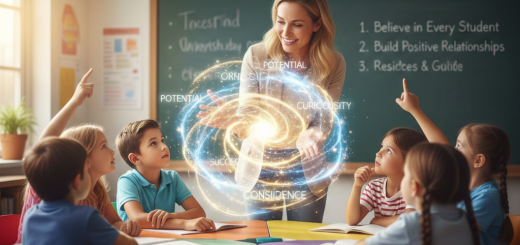
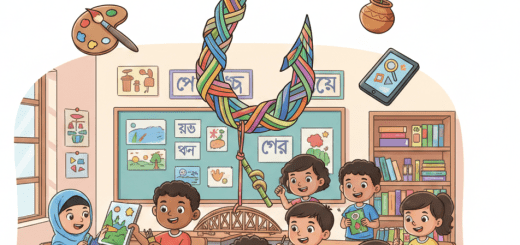
Every child is special. Every child has unique abilities, interests, and ways of understanding the world. Some children are quick to solve puzzles, others express themselves beautifully through drawing or music, and some have a deep understanding of the world around them. In Bangladesh, children come from diverse backgrounds; urban, rural, coastal, and riverline; and each child brings their own strengths and talents to school. Recognizing and nurturing these differences is essential for teachers, parents, and communities who want children to thrive.
For a long time, intelligence was understood in a very narrow way: the ability to read, write, and solve arithmetic problems. While these skills are important, they do not capture the full potential of every child. Children can be intelligent in many ways, and education that recognizes this diversity allows every child to develop confidence, creativity, and resilience.
Researchers and educators have identified multiple ways in which children can be smart. Understanding these different types of intelligence helps us appreciate the uniqueness of each child and provides strategies to support learning in ways that are natural and engaging.
In the context of Bangladesh, where children face diverse educational, social, and environmental challenges, it is especially important to recognize and nurture all kinds of intelligence. Children should not feel that they must excel in exams alone to be considered smart. Every child can shine in their own way.
Thinking in Pictures and Patterns
Some children understand the world best through images, shapes, and spatial patterns. They are often drawn to drawing, painting, building models, and noticing how things fit together.
Examples in Bangladesh:
- Children who love sketching village landscapes, rivers, boats, or traditional houses.
- Kids who enjoy puzzles, arranging blocks, or creating simple models of their homes or neighborhoods.
- Children who can remember maps, classroom layouts, or even the paths to school without written directions.
How to Support Spatial Learning:
- Encourage drawing, painting, model-making, and craft activities. Children can create maps of their villages, illustrate stories, or design simple inventions.
- Use visual aids like charts, diagrams, mind maps, and storyboards to explain lessons.
- Introduce interactive learning tools such as digital drawing apps or 3D puzzles to explore spatial concepts.
Spatial learning helps children think creatively, solve problems, and express themselves visually. In classrooms across Dhaka, Chittagong, or rural areas, children can benefit from projects that combine imagination with observation.
Learning Through Movement
Some children learn best when they are active. Movement and action help them understand concepts, remember ideas, and express themselves.
Examples in Bangladesh:
- Children who excel in football, kabaddi, or traditional dance forms.
- Kids who learn concepts better when they act out stories, participate in school plays, or use gestures while learning.
- Children who enjoy building, crafting, or experimenting physically with materials.
How to Support Bodily-Kinesthetic Learning:
- Include physical activities during school hours. Short exercises, role-plays, and drama can reinforce learning.
- Use cultural games like ludu, ha-du-du, or marbles for learning teamwork, strategy, and coordination.
- Combine movement with academic lessons, such as acting out historical events, performing math operations using gestures, or exploring science concepts through experiments.
Bodily-kinesthetic intelligence develops confidence, coordination, and practical problem-solving skills, allowing children to connect learning with real-life action.
Musical Awareness
Some children are naturally sensitive to rhythm, melody, and sound. Musical intelligence helps children remember patterns, express emotions, and enjoy learning.
Examples in Bangladesh:
- Children who memorize folk songs, Baul tunes, or school anthems quickly.
- Kids who create their own rhymes, songs, or rhythms.
- Children who can identify when music is off-key or can replicate complex sounds.
How to Support Musical Learning:
- Encourage singing, music lessons, and rhythmic exercises during school or home.
- Integrate music with learning. For example, multiplication tables can be taught using songs, and science concepts can be reinforced through rhythm-based games.
- Connect music with cultural storytelling. Folk songs, Nazrul Geeti, and traditional rhythms can deepen cultural understanding while developing musical skills.
Musical intelligence enhances memory, emotional expression, and creativity, and allows children to connect learning with emotion and culture.
Language and Communication
Some children are naturally skilled with words. They enjoy reading, writing, storytelling, and sharing their ideas.
Examples in Bangladesh:
- Children who write imaginative stories, poems, or letters in Bangla or English.
- Kids who perform well in recitation, debates, and storytelling competitions.
- Children who explain concepts clearly to peers and teachers, often acting as natural leaders in classroom discussions.
How to Support Linguistic Learning:
- Provide access to diverse books and stories that reflect both local culture and global knowledge. Libraries in schools or communities can introduce children to a variety of genres.
- Organize creative writing sessions, story circles, and poetry competitions.
- Use reading aloud, group discussions, and debates to strengthen vocabulary, comprehension, and expressive skills.
Language and communication skills enable children to articulate ideas, build confidence, and engage meaningfully with peers and adults.
Logical Thinking and Problem-Solving
Some children understand the world by analyzing patterns and reasoning through problems. They enjoy mathematics, puzzles, experiments, and cause-and-effect relationships.
Examples in Bangladesh:
- Children who solve puzzles, organize objects systematically, or conduct simple science experiments.
- Kids who notice patterns in nature, such as crop cycles, river flows, or weather changes.
- Children who ask questions about how things work and actively seek solutions.
How to Support Logical Learning:
- Include hands-on activities, like measuring ingredients for cooking or experimenting with plant growth.
- Introduce age-appropriate puzzles, riddles, and math games.
- Discuss real-life cause-and-effect scenarios, such as predicting flooding in riverine areas or understanding why certain crops grow better in specific soils.
Logical intelligence strengthens analytical thinking, observation skills, and curiosity, equipping children to solve problems both academically and practically.
Understanding and Connecting with Others
Some children are naturally empathetic. They can understand others’ feelings, work well in teams, and manage social situations effectively.
Examples in Bangladesh:
- Children who comfort friends in distress or mediate disagreements.
- Kids who organize group activities and actively collaborate on projects.
- Children who show respect and consideration for peers, teachers, and community members.
How to Support Interpersonal Learning:
- Encourage teamwork through group projects, school committees, or cultural events.
- Teach communication, active listening, and conflict-resolution skills through role-play and social games.
- Introduce community-based projects, such as school garden maintenance, local cleanup campaigns, or environmental awareness programs.
Interpersonal intelligence fosters empathy, cooperation, and leadership skills, helping children contribute positively to their communities.
Self-Awareness and Reflection
Some children are naturally introspective. They reflect on their emotions, strengths, and goals and often prefer independent learning.
Examples in Bangladesh:
- Children who maintain diaries or journals to record thoughts and experiences.
- Kids who understand their emotions and learn to regulate feelings like frustration or excitement.
- Children who set personal goals and monitor progress in their studies or hobbies.
How to Support Intrapersonal Learning:
- Provide quiet time for reflection, journaling, or mindfulness exercises.
- Teach emotional literacy, helping children identify and express their feelings safely.
- Encourage self-assessment and personal projects that build independence.
Intrapersonal intelligence helps children develop resilience, emotional regulation, and self-confidence, which are critical for lifelong learning.
Connecting with Nature
Some children have a special affinity for the natural world. They notice patterns in plants, animals, and weather and often feel a responsibility toward the environment.
Examples in Bangladesh:
- Children who enjoy gardening, birdwatching, or exploring local rivers, forests, or fields.
- Kids who understand crop cycles, seasonal changes, and local ecosystems.
- Children are curious about conservation, pollution, and environmental sustainability.
How to Support Naturalistic Learning:
- Organize school gardens, nature walks, and environmental clubs.
- Teach observation and documentation skills, encouraging children to record plant growth, animal behavior, or weather patterns.
- Discuss topics like river ecosystems, wetlands, and climate change to develop environmental consciousness.
Naturalistic intelligence nurtures appreciation for the environment and encourages children to become responsible global citizens.
Emotional Intelligence
Beyond empathy, some children can understand and manage their own emotions and respond to the emotions of others effectively.
Examples in Bangladesh:
- Children who celebrate classmates’ successes and support them in challenges.
- Kids who understand fairness, responsibility, and community well-being.
- Children who adjust their behavior according to social situations with insight and care.
How to Support Emotional Intelligence:
- Introduce activities that involve sharing feelings, group discussions, and conflict resolution exercises.
- Practice mindfulness, breathing techniques, or reflective storytelling.
- Encourage cooperative games that emphasize fairness, teamwork, and respect.
Emotional intelligence equips children with skills to manage challenges, maintain relationships, and thrive in collaborative environments.
Creativity and Innovation
Some children are naturally imaginative. They generate original ideas, invent games, or create solutions to problems in unique ways.
Examples in Bangladesh:
- Children who design board games, make toys from local materials, or write imaginative stories.
- Kids who find creative ways to solve problems at home or school, like organizing school events or designing classroom tools.
- Children who experiment with materials like bamboo, clay, or fabric to innovate.
How to Support Creative Learning:
- Encourage open-ended projects, brainstorming sessions, and problem-solving challenges.
- Provide materials and opportunities for experimentation and invention.
- Celebrate creative approaches, even when the result is unconventional.
Creativity fosters problem-solving, confidence, and independent thinking, allowing children to develop skills for future challenges.
Digital Awareness
In today’s world, some children excel at using technology. They can navigate digital tools, explore educational resources, and solve problems using technology.
Examples in Bangladesh:
- Children who use tablets, computers, or educational apps effectively.
- Kids who create digital stories, presentations, or simple animations.
- Children curious about coding, robotics, or online learning resources.
How to Support Digital Learning:
- Introduce age-appropriate technology tools in classrooms, ensuring safety and guidance.
- Teach children digital responsibility, ethical usage, and critical evaluation of online content.
- Encourage projects like e-storybooks, presentations, or coding activities.
Digital literacy equips children with skills essential for modern education, innovation, and career readiness.
Practical Life Skills
Some children excel at real-world tasks. They are organized, capable of managing responsibilities, and learn by doing.
Examples in Bangladesh:
- Children who help in kitchens, maintain school supplies, or plan class events.
- Kids who understand basic budgeting, household management, or small trades.
- Children who observe how work is done in agriculture, markets, or local businesses.
How to Support Practical Learning:
- Assign age-appropriate responsibilities in school and home projects.
- Teach skills like gardening, basic cooking, and planning tasks.
- Encourage children to organize small events, community clean-ups, or classroom activities.
Practical intelligence builds confidence, independence, and readiness to manage life challenges effectively.
Curiosity and Exploratory Intelligence
Some children are naturally curious and love to explore the world. They ask questions, experiment, and seek knowledge through discovery.
Examples in Bangladesh:
- Children who ask why rivers flood or why crops grow differently in various regions.
- Kids who explore insects, birds, or traditional crafts with fascination.
- Children who love to visit museums, zoos, or science exhibitions to learn.
How to Support Exploratory Learning:
- Encourage hands-on experiments, outdoor excursions, and observation projects.
- Promote inquiry-based learning, where children discover answers through guided exploration.
- Provide opportunities to explore cultural, historical, and natural heritage in Bangladesh.
Exploratory intelligence fuels lifelong curiosity, critical thinking, and problem-solving abilities.
Integrating Multiple Intelligences in Bangladeshi Education
Understanding that children have different ways of learning allows schools and parents to create inclusive, effective learning environments. Traditional classrooms often emphasize reading, writing, and arithmetic. While these are important, they do not capture the full potential of every child.
Strategies for Schools and Parents:
- Use varied teaching methods, including visual aids, music, drama, hands-on activities, outdoor learning, and digital tools.
- Observe children’s strengths and adapt lessons to nurture each unique intelligence.
- Incorporate cultural and environmental contexts, making learning relevant and relatable.
- Move beyond exams. Use portfolios, projects, presentations, and observations to assess growth.
- Encourage parents to provide experiences at home that develop each child’s skills, from storytelling and music to digital projects and gardening.
By valuing diverse intelligences, education in Bangladesh can produce confident, creative, and socially responsible children who are prepared for life beyond school.
Conclusion
Every child in Bangladesh has the potential to shine. Some may excel in numbers, others in words, music, sports, creativity, technology, or problem-solving. Some have strong emotional intelligence, while others are deeply reflective or attuned to nature. Recognizing these strengths helps teachers and parents support every child.
Education that values multiple intelligences ensures that children develop confidence, creativity, empathy, and resilience. It moves beyond exams and grades, nurturing children to become capable, innovative, and socially aware individuals. Every child is gifted, and education should help each one discover and develop their unique talents.
By appreciating the diverse ways children learn, Bangladesh can cultivate generations of learners who are not only academically capable but also emotionally intelligent, socially responsible, innovative, and equipped to thrive in a rapidly changing world. Every child has something special to offer. Every child deserves to shine.