The Invisible Force That Transforms Learning: A Complete Guide for Teachers

Teaching has always been more than delivering lessons, grading assignments, or following a curriculum. It is a process shaped by people, shaped by relationships, and shaped by the environment that teachers create every day. In every classroom you walk into, you meet children who carry a world of possibilities within them. Some already show confidence. Some hesitate to speak. Some have experienced success in school. Others carry fears and self doubt from past struggles. No matter what they bring, the moment they meet their teacher, something important begins to form.
This is the quiet force that invisibly influences how learning unfolds. This force is a teacher’s belief in their students. It does not show up on lesson plans. It does not appear in school budgets. You cannot measure it in a test. Yet it drives motivation, shapes classroom culture, and influences children in profound ways.
When teachers genuinely believe in their students, learning changes. Students grow braver. They experiment more. They ask questions. They try again after mistakes. They begin to see themselves as capable, curious, and intelligent. This article explores how teacher beliefs shape learning, why they matter, and how teachers can nurture the potential of every child they meet.
It offers a detailed, practical guide for both new teachers and experienced educators who want to strengthen their practice and build a classroom environment that truly unlocks student potential.
Why Teacher Beliefs Matter More Than We Often Realize:
When you enter a classroom, it is easy to focus on the immediate tasks. You plan lessons, choose materials, prepare assessments, and manage activities. These are essential parts of teaching. However, what often remains unnoticed is the influence of your mindset.
Students respond not only to what you teach but also to what you believe about them. For example, if you see a child as capable, you naturally give them opportunities to grow. You offer encouragement. You speak with warmth. You respond with patience when they struggle. That student begins to internalize your belief. Over time, they start to see themselves as capable too.
On the other hand, if you assume a student is weak or uninterested, your actions shift unconsciously. You may give them less attention. You may lower expectations. You may offer fewer challenges. Without intending to, you limit them. This is how beliefs quietly shape outcomes.
A supportive belief becomes fuel. A limiting belief becomes a barrier. Understanding this influence allows teachers to intentionally create a positive learning culture where every student feels valued and motivated.
Seeing Every Child as Capable:
Each student enters the classroom with a story. Some have supportive families. Some have experienced hardship. Some learn quickly. Others take more time. Regardless of these differences, every student carries potential that can grow with the right guidance.
Believing in students does not mean ignoring their difficulties. Instead, it means acknowledging challenges while trusting that improvement is possible. When teachers hold this belief, students sense it. Children are highly aware of how adults perceive them. A single encouraging comment can push them to try again. A patient explanation can spark hope.
This belief becomes especially important for students who have struggled in the past. They may have internalized a sense of failure. They may think they are not smart enough. A teacher who approaches them with confidence and optimism can break this cycle. They learn that ability is not fixed. It can grow through practice. Over time, they begin to trust themselves again.
Building Relationships that Strengthen Learning:
Learning does not happen in isolation. It grows through connections. A positive relationship between teacher and student forms the foundation for motivation, curiosity, and resilience. When students feel understood, they participate more. When they feel safe, they take risks. When they feel respected, they work harder.
Strong relationships begin with small actions. Learning names quickly shows respect. Asking about interests shows genuine care. Noticing strengths helps students feel recognized. Listening with patience builds trust.
Students want to feel seen. They want to feel heard. When a teacher takes time to understand what motivates them, what worries them, or what excites them, the classroom becomes a space where students feel comfortable being themselves.
This connection not only improves academic performance but also contributes to emotional well being. A teacher may be the only adult in a child’s life who listens without judgment. Your words can help them grow the confidence they never had before.
Creating a Safe Classroom that Encourages Exploration:
Students learn best when they feel comfortable asking questions and sharing ideas. A classroom where students fear judgment becomes a space of silence. On the other hand, a classroom where mistakes are accepted becomes a space of growth.
Mistakes are not signs of failure. They are signs of learning. Children who fear mistakes will avoid challenges. Children who understand that errors are part of learning will push themselves to try harder tasks.
Teachers can build this culture by responding calmly to wrong answers, encouraging students to share their thinking process, and praising effort. When students see that the classroom is a safe place to experiment, they begin to explore. This exploration strengthens creativity and critical thinking skills that stay with them throughout life.
Setting Expectations That Inspire Progress:
High expectations shape achievement. When teachers believe students can reach high standards, students rise. When expectations are low, students often match them. Children look to teachers for signals about what they can achieve. If you communicate that you trust their abilities, they begin to trust themselves.
High expectations must also remain realistic. Students should not feel overwhelmed or defeated. The goal is to stretch their abilities gradually and consistently. Recognizing small improvements makes them feel capable and motivated. Celebrating milestones encourages them to continue working hard.
When students hear constant reminders of what they can achieve, their mindset changes. They begin to expect more from themselves. This shift has long term impact on motivation, academic performance, and personal development.
Giving Attention to Individual Needs:
Every student learns differently. Some understand concepts quickly. Some require repetition. Some learn through visuals. Some learn through movement or discussion. Teaching becomes more effective when it adapts to these differences.
Individual attention does not mean giving equal time to all students. It means giving the right kind of support to each student. For example, a child who hesitates to participate may need encouragement. A student who rushes through tasks may need guidance in slowing down and reflecting. A child who struggles with reading may need extra practice or simplified explanations.
This attention helps students feel valued. They understand that you notice their effort and care about their progress. Many students improve simply because they know someone believes they can.
Using Feedback to Build Confidence and Skill:
Feedback is one of the most powerful tools in teaching. The way you respond to student work can either strengthen motivation or weaken it. Constructive feedback focuses on growth. It tells students what they did well and what they can improve. It offers specific suggestions rather than general criticism.
For example, instead of saying a student is wrong, you can show them where they made progress and guide them toward the correct approach. Instead of saying their writing is weak, you can point out a sentence they wrote well and help them improve the rest.
Feedback should be timely, clear, and encouraging. It should help students see mistakes as opportunities to learn. When students receive feedback in a supportive tone, they build confidence and develop stronger problem solving skills.
Encouraging Peer Collaboration and Shared Learning:
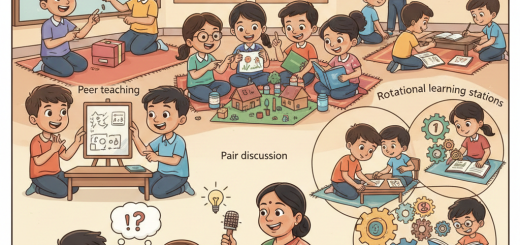
Students learn a great deal from each other. Group activities, discussions, and peer support help students strengthen communication skills, teamwork, and empathy. When students collaborate, they learn how to explain ideas, listen to others, and consider different viewpoints.
Teachers can encourage peer learning by organizing group discussions, pairing students for tasks, or allowing them to solve problems together. These interactions build social skills and academic knowledge.
Peer support also reduces the fear of failure. When students work together, they feel less pressure and more motivation. They understand that learning is a shared journey. This mindset creates a positive environment where mutual encouragement becomes a natural part of the classroom culture.
Reflecting on Teaching Practices Every Day:
Reflection helps teachers grow. Every class offers opportunities to learn something new about students and about teaching. By reflecting regularly, teachers can identify which strategies are effective and which need adjustment.
Reflection also helps uncover personal biases. For example, a teacher may realize they give more attention to outspoken students and less to quiet ones. They may notice they expect more from some students and less from others. Recognizing these patterns allows teachers to correct them and provide a more balanced learning experience.
- Asking simple questions can guide reflection.
- Are all students receiving enough support?
- Do some students need more encouragement?
- Are expectations fair and consistent?
- Is the classroom environment helping all students feel safe and confident?
The answers help teachers refine their approach and create a more inclusive, equitable, and supportive learning environment.
Celebrating Small Wins to Build Motivation:
Improvement happens through small steps. Students do not become confident or successful overnight. They grow every time they try something difficult, participate in a discussion, or understand a new concept.
Celebrating these moments helps students stay motivated. When teachers acknowledge progress, students feel proud. They become more determined. Even simple recognition can have a strong impact. Praising effort, noting improvement, or acknowledging participation helps students see that their hard work matters.
Celebration is not only about big achievements. It is about recognizing the daily efforts that build long term growth.
Keeping Teaching Human Centered:
At its core, teaching is about people. It is about understanding emotions, recognizing potential, and guiding students toward their future. Technology, curriculum, and assessments support this work, but they cannot replace the human connection between teacher and student.
Students remember how teachers made them feel. They remember teachers who believed in them, who encouraged them, and who stood by them during difficult moments. These experiences shape confidence, identity, and aspiration.
Teaching becomes more powerful when it focuses on the whole child. Their emotions, their mindset, their fears, and their strengths all play a part in how they learn. When teachers see learning as a human journey, they can guide students more effectively through every challenge and every success.
Bringing Everything Together: How Belief Becomes Transformation:
Educational transformation does not always require new programs or large investments. Sometimes, the most meaningful change starts with a mindset. When teachers believe in their students, everything else builds on that foundation. Lessons become more engaging because students feel motivated. Classroom discussions become richer because students feel safe expressing themselves. Learning becomes more effective because students feel capable.
Belief is not visible, but its effects are. You can see it in a child’s smile when they finally understand something. You can see it in the quiet student who begins to raise their hand. You can see it in the struggling student who refuses to give up.
Every student deserves a teacher who sees their potential. Every teacher has the ability to spark this belief. The impact reaches far beyond the classroom. It shapes future choices, personal confidence, and lifelong success.