Reflective Teaching Practices for Continuous Improvement
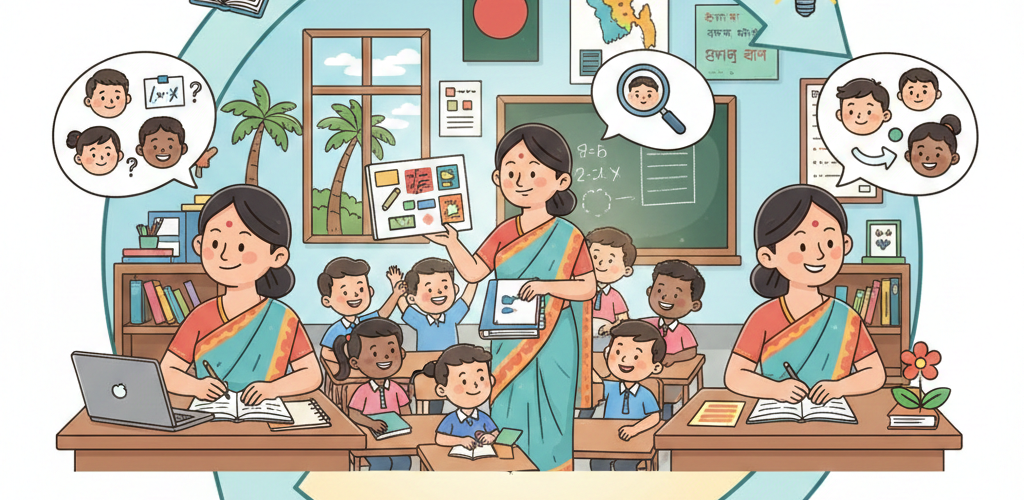
Education systems around the world invest heavily in curriculum reform, teacher training, digital tools, and assessment frameworks. Yet one of the most powerful drivers of quality education often remains overlooked. That driver is how teachers think about their own teaching. Reflective teaching is not a trend or a slogan. It is a disciplined way of learning from everyday classroom practice and using that learning to improve continuously.
In a time when classrooms are becoming more diverse and learning demands are changing rapidly, reflective teaching has become essential. It allows teachers to respond thoughtfully to student needs, adapt to constraints, and grow professionally without waiting for external intervention.
This article explores reflective teaching practices as a foundation for continuous improvement. It examines why reflection matters, how it works in real classrooms, what challenges teachers face, and what schools and policymakers can do to support reflective practice at scale.
Understanding Reflective Teaching
Reflective teaching is the process through which teachers critically examine their teaching experiences to improve future practice. It involves thinking carefully about lesson planning, classroom interaction, student responses, and learning outcomes.
At its core, reflective teaching asks simple but powerful questions. What happened in the classroom. Why did it happen. What should be done differently next time.
These questions encourage teachers to move beyond routine instruction. Instead of repeating the same lesson year after year, reflective teachers adapt their methods based on evidence from their own classrooms.
Educational theorist Donald Schon described reflective practice as learning through action. According to his work, professionals improve not only by applying knowledge but by thinking deeply about what they do while doing it and after completing it. For teachers, this means reflecting during teaching and after teaching.
Reflective teaching is not about finding faults or assigning blame. It is about understanding practice in order to improve it. This mindset is essential for long term professional growth.
Why Reflective Teaching Matters Today
Classrooms today are more complex than ever before. Students come from diverse backgrounds. They bring different learning abilities, languages, interests, and emotional needs. Traditional teaching methods often fail to address this diversity effectively.
Reflective teaching helps teachers respond to these realities. When teachers reflect on their practice, they become more aware of how students experience lessons. They notice who participates actively and who remains silent. They recognize which explanations work and which create confusion.
Research published in journals such as Teaching and Teacher Education and Educational Research Review consistently shows that reflective teachers demonstrate stronger instructional decision making. They are better at adjusting teaching strategies, managing classrooms, and engaging students meaningfully.
In many education systems, including those in South Asia, teachers work under challenging conditions. Large class sizes, limited teaching materials, and heavy workloads are common. In such contexts, reflective teaching becomes a practical tool for improvement. When resources are limited, thoughtful decision making matters more than sophisticated tools.
Reflective Teaching and Learning Outcomes
The ultimate goal of reflective teaching is improved student learning. Reflection helps teachers understand the relationship between teaching actions and learning outcomes.
For example, a teacher may reflect and realize that students struggled because instructions were unclear. Another reflection may reveal that group activities improved engagement among quieter learners. These insights guide changes in lesson design and delivery.
Studies by the Organisation for Economic Co operation and Development show that reflective teaching practices are associated with higher student motivation and deeper learning. When teachers adjust their methods based on reflection, students benefit directly.
Reflective teaching also supports formative assessment. Teachers who reflect regularly are better at interpreting student responses and using assessment information to guide instruction.
Reflection as a Continuous Improvement Cycle
Improvement in teaching does not happen overnight. It is a gradual and continuous process. Reflective teaching supports this process through a cycle of learning.
First, teachers plan lessons based on objectives and student needs. Then they teach and observe how students respond. Afterward, they reflect on what worked and what did not. Finally, they adjust their approach and apply changes in the next lesson.
This cycle repeats continuously. Each reflection leads to small improvements. Over time, these small changes accumulate and lead to significant growth in teaching quality.
This approach empowers teachers to become active learners. Professional development no longer depends solely on workshops or training sessions. The classroom itself becomes a site of learning.
Types of Reflection in Teaching Practice
Reflection in teaching occurs at different stages of the instructional process.
Reflection before teaching happens during lesson planning. Teachers think about learning goals, student readiness, and possible challenges. This reflection helps create realistic and inclusive lesson plans.
Reflection during teaching happens while the lesson is in progress. Teachers observe student reactions and adjust instruction accordingly. For example, if students appear confused, the teacher may slow down or provide additional examples.
Reflection after teaching takes place once the lesson ends. Teachers review the lesson and analyze student engagement, learning outcomes, and classroom dynamics. This type of reflection often provides the most detailed insights.
All three forms of reflection are important. Together, they create a comprehensive approach to continuous improvement.
Practical Reflective Teaching Strategies
Reflective teaching becomes effective when it is grounded in practical strategies that teachers can use regularly.
One widely used strategy is keeping a reflective teaching journal. After a lesson or at the end of the day, teachers write brief notes about their experiences. They may record what worked well, what challenges emerged, and what changes they plan to make.
Over time, reflective journals help teachers identify patterns in their practice. They provide evidence of professional growth and areas that require further attention.
Student feedback is another powerful reflection tool. Students offer valuable insights into how lessons are experienced. Simple feedback methods such as short questionnaires or exit slips can reveal what helped learning and what caused confusion.
When used constructively, student feedback strengthens trust and improves classroom relationships. It also helps teachers align instruction with learner needs.
Peer observation is another effective strategy. Teachers learn by observing colleagues and discussing teaching practices. Peer reflection encourages sharing of ideas and reduces professional isolation.
Some teachers also use lesson recordings to support reflection. Reviewing recorded lessons helps teachers observe their own teaching objectively. This method highlights aspects of communication, time management, and student interaction that may otherwise go unnoticed.
Reflective Teaching and Inclusive Education
Inclusive education requires more than policies and guidelines. It requires teachers to examine their daily practices critically. Reflective teaching plays a central role in this process.
Through reflection, teachers become aware of participation patterns. They notice which students receive more attention and which are overlooked. They recognize whether teaching materials represent diverse experiences.
Reflection helps teachers identify barriers faced by girls, children with disabilities, and learners from disadvantaged backgrounds. Once these barriers are visible, teachers can take steps to address them.
For programs focused on gender equality and social inclusion, reflective practice is a foundational skill. It supports fairness, equity, and respect in classroom interactions.
Reflective Teaching in Resource Limited Contexts
In many schools, particularly in low income and rural areas, resources are limited. Teachers often work without adequate materials, technology, or infrastructure.
Reflective teaching helps teachers make effective use of available resources. It encourages creativity and adaptation. Teachers learn from experience which strategies work within constraints.
Reflection also helps teachers avoid burnout. By understanding challenges and recognizing progress, teachers maintain motivation and resilience.
Challenges to Reflective Teaching
Despite its benefits, reflective teaching is not widely practiced. Several challenges limit its adoption.
Time constraints are a major barrier. Teachers often face heavy workloads and administrative responsibilities. Finding time for reflection can be difficult.
Another challenge is lack of training. Many teacher preparation programs focus on content and methodology but give little attention to reflective skills. Without guidance, reflection may remain superficial.
There is also fear associated with reflection. Some teachers worry that reflection will expose weaknesses. In unsupportive environments, reflection may be mistaken for evaluation rather than learning.
Addressing these challenges requires systemic support and cultural change within schools.
Role of School Leadership
School leadership plays a critical role in promoting reflective teaching. Leaders who value learning create conditions where reflection can flourish.
Providing time for collaborative reflection, encouraging peer observation, and recognizing reflective efforts help integrate reflection into daily practice.
When leaders model reflective behavior themselves, teachers are more likely to follow.
Reflective schools become learning organizations. They adapt more effectively to change and demonstrate stronger professional cultures.
Reflective Teaching and Teacher Professional Identity
Reflective teaching shapes how teachers see themselves. It encourages self awareness and professional responsibility.
Through reflection, teachers examine their beliefs, values, and assumptions. They consider why they teach and what kind of teacher they want to be.
This process strengthens professional identity. Teachers who reflect regularly develop confidence grounded in understanding rather than routine.
Reflection also prepares teachers for leadership roles. Reflective practitioners are better equipped to mentor colleagues, lead professional development, and contribute to education research.
Policy Implications of Reflective Teaching
For policymakers, reflective teaching offers a cost effective strategy for improving education quality. It does not require expensive infrastructure or technology.
Integrating reflective practice into teacher training, appraisal systems, and professional development frameworks can strengthen teaching nationwide.
International organizations such as UNESCO and the World Bank highlight reflective practice as a key factor in effective teaching and teacher retention.
Policies that encourage reflection promote long term improvement rather than short term compliance.
Reflective Teaching in Teacher Education Programs
Teacher education programs play a crucial role in shaping reflective practitioners. Introducing reflective skills early helps trainee teachers develop habits that last throughout their careers.
Programs can include guided reflection sessions, teaching portfolios, and case based discussions. Mentors can model reflective thinking and support reflective dialogue.
When reflection becomes part of teacher identity from the beginning, it becomes a natural part of practice.
Digital Tools and Reflection
Technology can support reflective teaching when used thoughtfully. Digital journals, online feedback tools, and recorded lessons make reflection more accessible.
However, tools alone are not enough. Reflection remains meaningful only when teachers engage honestly and purposefully with their experiences.
Digital platforms should support thinking, not replace it.
Reflective Teaching and Lifelong Learning
Reflective teaching aligns closely with lifelong learning. It encourages curiosity, adaptability, and growth.
As education systems evolve, reflective teachers evolve with them. They remain responsive to new challenges and opportunities.
Reflection ensures that teaching remains a dynamic and meaningful profession.
Conclusion
Reflective teaching is a quiet but powerful force in education improvement. It transforms everyday classroom experiences into opportunities for learning and growth. It helps teachers adapt to complexity, improve learning outcomes, and strengthen professional identity.
In a world seeking quick solutions, reflective teaching offers something deeper and more sustainable. It reminds us that quality education begins with thoughtful teachers who are willing to learn from their own practice.
If we want better classrooms, stronger learning outcomes, and more resilient education systems, reflective teaching must move from the margins to the mainstream.
Continuous improvement begins when teachers pause, think, and act with purpose. Reflection is not an extra task. It is the heart of effective teaching.


