Emotional Intelligence: The Missing Skill in Our Primary Classrooms
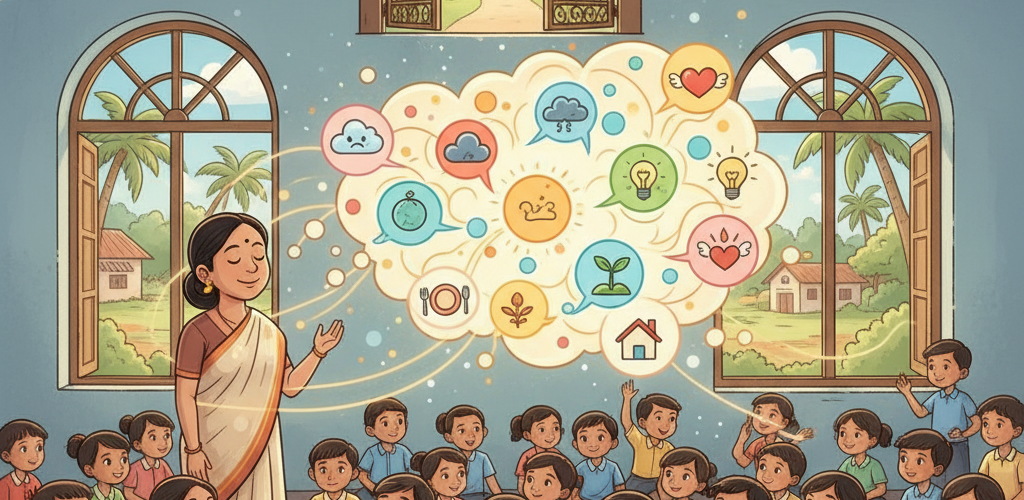
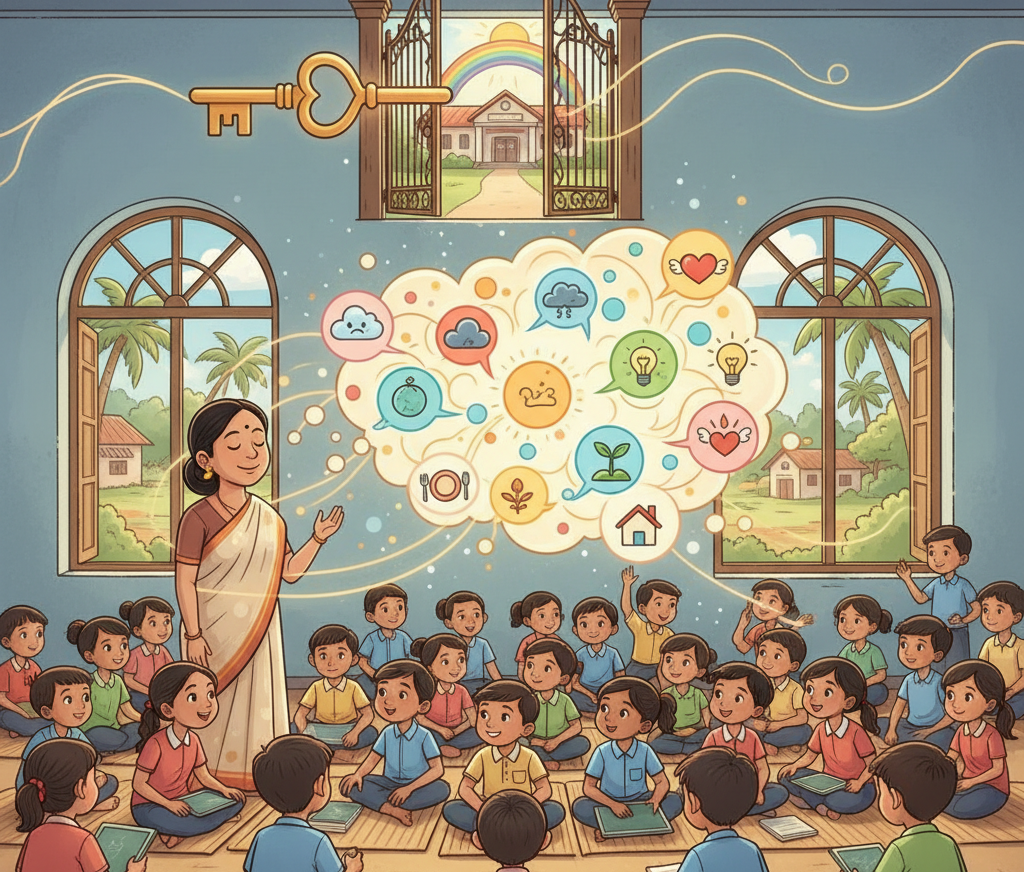
Walk into any government primary school in Bangladesh and we will likely find a single teacher managing fifty or more young children. Some are eager and curious, others distracted or anxious. One child may come to school hungry, another may have faced scolding at home. In this mix of emotions, the teacher must teach, motivate, and maintain order all at once.
Managing such classrooms takes far more than lesson plans or discipline. It takes emotional intelligence.
Why Feelings Matter in Teaching
Teaching is not just an academic act; it is deeply emotional work. Every teacher, every day, deals with a flood of feelings of their own and their students’. Yet, teacher education in Bangladesh rarely prepares them for this side of the profession.
Emotional Intelligence (EI), a concept popularised by psychologist Daniel Goleman, refers to the ability to recognize, manage, and respond to emotions both in oneself and in others. For teachers, it means knowing how to stay calm when a classroom feels chaotic, understanding why a child acts out, and using empathy instead of punishment.
In Bangladesh’s crowded classrooms, where stress is high and resources are scarce, emotional intelligence is not a luxury, it is essential.
The Current Picture
Bangladesh has made commendable progress in expanding access to primary education. Enrolment now exceeds 97 percent, gender parity has largely been achieved, and dropout rates have declined. But inside classrooms, many teachers still struggle to maintain attention, manage behaviour, or build emotional bonds with their students.
Teachers often respond to misbehaviour through strictness or shouting reactions that may control the class for a moment but erode trust in the long term. Many of these challenges stem not from a lack of dedication but from the absence of training in how to manage emotions both theirs and their students’.
A BRAC study in 2022 found that schools introducing socio-emotional learning activities saw classroom conflicts drop by 30 percent and student attendance rise notably. UNICEF and Save the Children’s pilot projects show similar results: when teachers build emotional connection, learning outcomes improve.
Why It Works
Educational psychology gives us a clear explanation. Vygotsky emphasized that children learn best through social interaction. Piaget showed that emotional and cognitive development are deeply linked. When children feel safe and respected, they take intellectual risks, they ask questions, participate, and think creatively.
A teacher who reads the emotional climate of the room can prevent problems before they escalate. They sense when fatigue, boredom, or frustration is rising and adjust the pace or activity accordingly. Instead of punishing disobedience, they address its emotional root.
Inside the Teacher’s Mind
The benefits of emotional intelligence are not just for students. Teachers with higher EI manage stress better, recover faster from setbacks, and experience less burnout. In rural schools, where teachers juggle large classes and administrative work, this resilience is invaluable.
One Dhaka primary teacher described how learning simple breathing and reflection techniques during training helped her stay calm during noisy lessons. “Earlier I would shout,” she said. “Now I take a pause, look at the students, and ask what’s wrong. Often, they just need to be heard.” Her classroom is now quieter not through fear, but through trust.
The Policy Gap
The National Education Policy (2010) and the ongoing PEDP4 framework rightly emphasize teacher quality and child-centred learning. Yet emotional intelligence remains missing from official teacher competency standards.
The Diploma in Primary Education (DPEd) curriculum could easily include short modules on emotional literacy, empathy, and classroom dialogue. Teacher training institutions like the National Academy for Primary Education (NAPE) can integrate role play, reflection, and case discussions into training sessions.
Moreover, emotional intelligence should not be treated as an isolated skill. It can be linked with inclusive education, gender sensitivity, and child protection, all priorities already embedded in national education goals and SDG 4.
Creating Emotionally Healthy Schools
Building emotionally intelligent schools requires more than new courses; it requires cultural change. Head teachers and upazila education officers can model empathy in how they lead and supervise. Recognition and incentives can reward teachers who build supportive, inclusive classrooms, not only those who produce top exam results.
Parents and communities also play a role. When teachers and parents communicate with empathy and respect, the child benefits the most. Emotional intelligence, therefore, is not confined to classrooms; it can reshape the entire school ecosystem.
A New Definition of Quality Education
Bangladesh’s education reforms have long focused on access, infrastructure, and curriculum. These are crucial, but without attention to the emotional climate, the system will continue to fall short of its promise.
The real test of a classroom is not how quiet it is, but how safe and motivated its children feel. Emotional intelligence helps teachers create that environment. It turns discipline into dialogue, control into connection, and stress into understanding.
To achieve the vision of SDG 4 Quality Education for All, emotional intelligence must move from the margins to the centre of teacher development policy.
Because in the end, teaching is not just about transferring knowledge. It is about nurturing hearts and minds one empathetic moment at a time.