TVET as a Tool for Social Mobility: AnalyzingBangladesh’s Progress and Challenges
TVET as a Tool for Social Mobility: Analyzing Bangladesh’s Progress and Challenges
List of Abbreviations
| TVET | : | Technical and Vocational Education and Training |
| ILO | : | International Labour Organization |
| GEM | : | Global Education Monitoring |
| UNESCO | : | United Nations Educational, Scientific and Cultural Organization |
| SDG | : | Sustainable Development Goal |
| NSDA | : | National Skills Development Authority |
| BBS | : | Bangladesh Bureau of Statistics |
| LFS | : | Labour Force Survey |
| GDP | : | Gross Domestic Product |
| NGO | : | Non-Governmental Organization |
| NSDP | : | National Skills Development Policy |
| MoE | : | Ministry of Education |
| MoLE | : | Ministry of Labour and Employment |
| BANBEIS | : | Bangladesh Bureau of Educational Information and Statistics |
| BTEB | : | Bangladesh Technical Education Board |
| NSQF | : | National Skills Qualifications Framework |
| PPP | : | Public-Private Partnership |
| RPL | : | Recognition of Prior Learning |
| ADB | : | Asian Development Bank |
| TTC – | : | Technical Training Centre |
| LDC | : | Least Developed Country |
| ILO-CEB | : | ILO Committee on Employment and Business |
| SDGs | : | Sustainable Development Goals |
| GED | : | General Economics Division |
| ICT | : | Information and Communication Technology |
| CBO | : | Community-Based Organization |
| CBT&A | : | Competency-Based Training and Assessment |
| EFA | : | Education for All |
| UNEVOC | : | International Centre for Technical and Vocational Education and Training |
| WB – | : | World Bank |
| SEIP | : | Skills for Employment Investment Program |
| STAL | : | Skills Training for Skills for Employment Investment Program Advancing Lives |
| BTEB – | : | Bangladesh Technical Education Board |
| NTVQF | : | National Technical and Vocational Qualification Framework |
Abstract
In the context of Bangladesh’s rapid socio-economic transformation and demographic pressure from a burgeoning youth population, Technical and Vocational Education and Training (TVET) has emerged as a strategic policy tool for enhancing employability, reducing poverty, and promoting upward social mobility. Despite growing attention from policymakers, international development agencies, and civil society, the effectiveness of TVET in achieving these socio-economic outcomes remains uneven. This research critically examines the role of TVET as a catalyst for social mobility in Bangladesh by analyzing both its progress and persistent challenges.
Utilizing a qualitative methodology rooted in secondary data analysis, the study draws from a wide array of credible sources including national statistics from the Bangladesh Bureau of Statistics (BBS), policy reports from the Directorate of Technical Education (DTE), program evaluations from organizations such as the International Labour Organization (ILO), UNESCO, the World Bank, and BRAC, as well as peer-reviewed academic research. The research integrates both quantitative indicators (e.g., enrollment growth, employment rates, gender participation, income levels of graduates) and qualitative insights (e.g., societal perceptions, gender-based barriers, curriculum relevance, policy implementation gaps) to present a comprehensive picture of the current TVET landscape.
Findings reveal that TVET has contributed meaningfully to employment generation and income enhancement for many youth, particularly those from rural and marginalized communities. Initiatives such as SEIP and NGO-led skills programs have shown success in connecting training to labor market outcomes. However, challenges remain in the form of skill mismatches, quality assurance deficits, gender disparities, weak industry linkages, and the persistent social stigma surrounding vocational pathways.
The paper concludes that while TVET holds significant promise as a driver of inclusive growth and social advancement in Bangladesh, its potential is yet to be fully realized. Realizing this potential will require a multi-pronged approach that strengthens institutional quality, fosters stronger collaboration between training providers and industries, reshapes public perceptions, and ensures that TVET is accessible and attractive to all socio-economic and gender groups. This study contributes to the growing body of literature on skills development in the Global South and offers practical policy recommendations to optimize TVET’s transformative capacity in the Bangladeshi context.
Chapter 1: Introduction
1.1 Introduction
Bangladesh, a rapidly developing South Asian country, is currently home to a population exceeding 170 million as of 2024, making it one of the most densely populated countries globally (World Bank, 2024). A significant characteristic of Bangladesh’s demographic profile is its large youth population, with approximately 30% of its citizens aged between 15 and 29 years, as reported by the Bangladesh Bureau of Statistics (BBS, 2023). This demographic bulge presents both a considerable opportunity and a formidable challenge for the nation’s socio-economic development. The expanding young labor force, if properly nurtured and skilled, has the potential to act as a catalyst for accelerated economic growth, innovation, and social transformation. This potential, often termed the “demographic dividend,” can significantly boost Bangladesh’s aspirations to achieve upper-middle-income status by 2031, as envisioned in the government’s Perspective Plan (Planning Commission, 2021).
However, the promise of the demographic dividend is not automatic; it depends fundamentally on the country’s capacity to provide quality education and relevant vocational skills to its youth, enabling them to access decent employment opportunities. Bangladesh faces persistent challenges related to youth unemployment and underemployment, which pose risks of social exclusion, economic stagnation, and widening inequality. According to the Bangladesh Labour Force Survey (BBS, 2023), youth unemployment in Bangladesh stands at 7.3%, with female youth unemployment significantly higher at 13.8%, reflecting entrenched gender disparities in labor market participation. Furthermore, a majority of employed youth are engaged in informal, low-skilled jobs, often lacking social security and career progression prospects, which limits their upward social mobility and perpetuates cycles of poverty and vulnerability (International Labour Organization [ILO], 2023).
Against this backdrop, Technical and Vocational Education and Training (TVET) has emerged as a critical policy tool and institutional mechanism designed to address skill deficits, enhance employability, and foster inclusive economic growth. TVET encompasses a broad range of education and training programs that impart practical, job-specific skills aligned with industry and market demands. The Government of Bangladesh, through ministries such as the Ministry of Education and the Ministry of Labour and Employment, alongside numerous private sector and non-governmental actors, has expanded TVET provision in recent years to better prepare the youth for labor market challenges (Ministry of Education, 2023). The National Skills Development Policy (2011) and subsequent reforms emphasize TVET’s strategic role in equipping youth with the competencies required to thrive in a competitive global economy.
Importantly, TVET is not solely an economic instrument but also a powerful driver of social mobility and equity. It holds particular promise for marginalized and disadvantaged populations, including rural youth, women, ethnic minorities, and persons with disabilities, by providing pathways out of poverty and social exclusion. This aligns with the global Sustainable Development Goals (SDGs), especially SDG 4 (Quality Education), which calls for inclusive and equitable quality education and lifelong learning opportunities for all; SDG 5 (Gender Equality), which seeks to empower all women and girls; and SDG 8 (Decent Work and Economic Growth), which promotes sustained, inclusive economic growth and decent work for all (United Nations, 2015). Through its potential to transform lives, TVET contributes directly to these intertwined objectives.
Despite these strategic efforts, the TVET sector in Bangladesh continues to face significant challenges that constrain its overall effectiveness. Key issues include inadequate physical infrastructure, outdated curricula, lack of qualified trainers, weak industry linkages, and insufficient financial resources (World Bank, 2023). Gender disparities remain stark: although female enrollment in TVET programs has increased gradually, women constitute only about 27% of total TVET trainees, hindered by cultural norms, safety concerns, and limited career counseling (BANBEIS, 2023). Moreover, the fragmentation of governance structures and coordination gaps among agencies lead to inefficiencies and duplication of efforts, undermining the potential impact of TVET initiatives (Asian Development Bank [ADB], 2023).
This study thus seeks to critically analyze the current state of TVET in Bangladesh, assessing its role as an effective tool for social mobility and its alignment with SDGs 4, 5, and 8. Through qualitative analysis of secondary data, including national surveys, policy documents, and international reports, the research identifies both achievements and persistent barriers within the TVET ecosystem. It further explores the socio-economic implications of TVET for different demographic groups and evaluates how well the sector meets the evolving demands of the labor market in Bangladesh.
By examining these dimensions, the study aims to contribute to academic and policy discourses on optimizing TVET’s role in advancing inclusive development. It highlights areas where reforms and investments are essential to enhance the quality, accessibility, and relevance of TVET, ultimately facilitating greater social mobility and contributing to sustainable economic growth. The findings have significant implications for policymakers, educators, and development partners committed to harnessing Bangladesh’s demographic dividend through effective skills development strategies.
.
1.2 Statement of the Problem
Bangladesh has witnessed remarkable economic growth over the past two decades, with an average annual GDP growth rate of approximately 6% (World Bank, 2023). This growth, coupled with a favorable demographic profile characterized by a substantial youth population, presents a unique opportunity for the country to leverage its demographic dividend and accelerate socio-economic development. However, this potential remains significantly constrained by persistent structural challenges, particularly in the labor market.
One of the foremost issues confronting Bangladesh’s development trajectory is the high rate of youth unemployment and underemployment. According to the Bangladesh Bureau of Statistics (BBS, 2023), the youth unemployment rate stands at approximately 7.3%, which rises sharply to 13.8% among young women. Furthermore, underemployment and informal sector employment remain prevalent, with many young workers engaged in low-paying, precarious jobs lacking social protections or career advancement prospects (International Labour Organization [ILO], 2023). These conditions contribute to the perpetuation of social inequality, economic vulnerability, and limited upward social mobility, especially for marginalized groups such as women, rural youth, and ethnic minorities.
In response, Technical and Vocational Education and Training (TVET) has been widely recognized and promoted as a strategic solution to address skill shortages, enhance employability, and facilitate smoother transitions from education to decent employment. The Government of Bangladesh, supported by development partners, has invested in expanding and reforming TVET systems to align training outcomes with evolving labor market demands (Ministry of Education, 2023). However, despite these policy efforts and resource allocations, the actual impact of TVET on social mobility remains ambiguous and uneven across different population segments.
Empirical evidence indicates that many TVET graduates continue to face significant challenges in securing gainful employment that matches their training, thereby limiting their potential for upward economic and social mobility. Studies reveal that TVET curricula often lag behind rapid technological changes and industry needs, resulting in a mismatch between skills taught and those required by employers (Asian Development Bank [ADB], 2023). Moreover, fragmented governance structures, with multiple ministries and agencies managing various aspects of TVET without adequate coordination, create inefficiencies and reduce program effectiveness (World Bank, 2023).
Gender disparities further compound these challenges. Female participation in TVET remains disproportionately low compared to male counterparts due to socio-cultural barriers, safety concerns, and limited awareness about vocational opportunities (BANBEIS, 2023). This gender gap undermines SDG 5’s goal of achieving gender equality and empowering all women and girls through equal access to quality education and training.
Additionally, weak linkages between TVET providers and industry stakeholders restrict practical training opportunities, such as apprenticeships and on-the-job learning, which are essential for enhancing employability (ILO, 2023). Quality assurance mechanisms within the TVET system are often inadequate, leading to inconsistencies in training standards and outcomes across institutions.
Given these challenges, a critical knowledge gap exists regarding the extent to which TVET in Bangladesh functions effectively as a tool for social mobility. It remains unclear how TVET contributes to improving the socio-economic status of youth and marginalized groups and what barriers prevent its full potential from being realized.
This study seeks to address these issues by exploring the following central research question: To what extent does TVET in Bangladesh facilitate social mobility among youth, and what are the primary institutional, structural, and socio-cultural challenges limiting its effectiveness? Through this inquiry, the study aims to provide a comprehensive understanding of TVET’s role in promoting inclusive economic growth and social advancement, particularly within the framework of Sustainable Development Goals 4 (Quality Education), 5 (Gender Equality), and 8 (Decent Work and Economic Growth).
The findings will offer valuable insights for policymakers, educators, and development practitioners aiming to enhance TVET systems to better serve Bangladesh’s youth, improve labor market outcomes, and foster equitable social development.
1.3 Objectives of the Study
This study is guided by a comprehensive set of objectives designed to critically investigate the multifaceted role of Technical and Vocational Education and Training (TVET) as a mechanism for fostering social mobility within the socio-economic context of Bangladesh. The objectives are framed to not only assess the current landscape of TVET but also to interrogate its effectiveness and strategic alignment with global development frameworks, particularly the Sustainable Development Goals (SDGs). The specific objectives are as follows:
- To critically analyze the current status, institutional framework, and recent developments of TVET in Bangladesh: This involves a systematic review of existing TVET programs, governance structures, policy reforms, enrollment trends, gender parity, and resource allocation. The objective aims to provide a nuanced understanding of how the sector has evolved in response to labor market demands and national development priorities.
- To examine the role of TVET in facilitating upward social mobility among youth, with a specific focus on gender equity and the inclusion of marginalized populations: This entails evaluating how effectively TVET enables young individuals especially women, rural youth, ethnic minorities, and persons with disabilities to acquire market-relevant skills, secure decent employment, and improve their socio-economic status. The analysis will consider socio-cultural, economic, and institutional factors shaping access to and outcomes from TVET programs.
- To identify and critically assess the key structural, systemic, and socio-economic challenges and barriers that undermine the efficacy of the TVET sector: This includes issues such as governance fragmentation, curriculum relevance, quality assurance mechanisms, industry linkages, funding constraints, and gender-based obstacles. The objective seeks to uncover the root causes that limit TVET’s capacity to meet the dynamic needs of Bangladesh’s labor market and contribute meaningfully to social mobility.
- To evaluate the extent to which TVET initiatives in Bangladesh align with and contribute to the achievement of SDG 4 (Quality Education), SDG 5 (Gender Equality), and SDG 8 (Decent Work and Economic Growth): This involves mapping national TVET policies and outcomes against the specific targets and indicators outlined in the SDGs. The aim is to assess whether TVET is effectively advancing inclusive education, empowering marginalized groups, and fostering sustainable economic growth through decent employment opportunities.
- To formulate evidence-based, context-specific policy recommendations and strategic interventions aimed at enhancing the inclusivity, quality, relevance, and impact of the TVET system in Bangladesh: These recommendations will be grounded in empirical findings and international best practices, focusing on improving governance coordination, strengthening industry partnerships, expanding access for disadvantaged groups, promoting gender-responsive approaches, and ensuring continuous quality improvement.
By addressing these objectives, the study seeks to contribute to a deeper academic understanding and practical policy discourse regarding TVET as a pivotal driver of equitable social and economic development in Bangladesh. Ultimately, it aspires to support the optimization of TVET systems to better harness the demographic dividend, reduce socio-economic disparities, and propel Bangladesh toward the sustainable achievement of the SDGs.
1.4 Scope of the Study
This study is concentrated on the formal Technical and Vocational Education and Training (TVET) system in Bangladesh, encompassing both public sector institutions managed by government bodies such as the Directorate of Technical Education and the Bangladesh Technical Education Board and private sector institutions authorized to deliver certified vocational programs. The study specifically targets programs designed for youth aged 15 to 29, reflecting the key demographic cohort that the national TVET strategy aims to serve in harnessing the country’s demographic dividend.
The research is predominantly based on secondary data sources, including nationally representative surveys (e.g., Bangladesh Labour Force Survey 2023), official government policy documents and reports (Ministry of Education, Ministry of Labour and Employment), and publications from international organizations such as the International Labour Organization (ILO), Asian Development Bank (ADB), and World Bank. These data sources provide quantitative and qualitative insights into enrollment trends, gender and socio-economic representation, employment and income outcomes post-training, and the prevailing policy and regulatory frameworks governing TVET.
While recognizing the significant role of informal skills development pathways such as traditional apprenticeships, community-based training, and non-certified on-the-job learning in Bangladesh’s overall skills ecosystem, this study intentionally excludes these informal mechanisms from its primary focus. This delimitation is due to the complexity and data limitations inherent in assessing informal training modalities and the study’s aim to evaluate the structured, formalized TVET sector in alignment with national education policies and international development goals.
The temporal scope of the study extends up to the year 2024, providing a contemporary analysis of TVET’s status, effectiveness, and challenges against the backdrop of recent national development plans and SDG implementation frameworks. The geographic scope is national, with contextual references to regional variations where data availability permits, such as urban-rural disparities and gendered access patterns.
Fundamentally, this research seeks to analyze TVET’s efficacy as a mechanism for promoting social mobility among Bangladesh’s youth, examining how access to and outcomes of formal TVET programs correlate with improvements in socio-economic status. This focus is integrated with an evaluation of TVET’s contribution to the achievement of Sustainable Development Goals 4 (Quality Education), 5 (Gender Equality), and 8 (Decent Work and Economic Growth), thereby situating the study within both national and global development paradigms.
1.5 Limitations of the Study
This study is subject to several limitations inherent in its methodological approach and the nature of available data. Primarily, the exclusive reliance on secondary data sources constrains the depth of analysis concerning the lived experiences, perceptions, and contextual challenges faced by TVET graduates, educators, and institutional administrators. While national surveys and official reports provide valuable quantitative and policy-level insights, they often lack the granularity necessary to capture the diverse socio-cultural and economic realities at the grassroots level.
Data quality and availability pose additional challenges, particularly in relation to gender-disaggregated employment outcomes and comprehensive tracking of informal and non-formal training pathways. The scarcity of robust, disaggregated data impedes a thorough examination of intersectional factors—such as rural-urban divides, ethnic minority status, and disability that critically influence access to and benefits from TVET programs. Furthermore, inconsistencies in data collection methodologies across different agencies and periodic reporting gaps may affect the comparability and reliability of certain indicators over time.
Another notable limitation is the absence of primary fieldwork, such as interviews, focus group discussions, or direct observations. Such qualitative methods would have enriched the study by providing nuanced perspectives on the socio-institutional dynamics influencing TVET effectiveness, including gender norms, employer attitudes, and learner motivations. The lack of first-hand qualitative data limits the ability to contextualize statistical findings within the lived realities of TVET stakeholders.
Despite these constraints, the study endeavors to deliver a comprehensive, evidence-based assessment of the TVET sector’s role in promoting social mobility within Bangladesh. By synthesizing data from credible and up-to-date national and international sources, the research maintains a rigorous analytical framework. It also situates findings within established theoretical and policy discourses, thereby offering valuable contributions to ongoing debates and informing future empirical research and policy formulation.
1.6 Organization of the Study
This study is systematically organized into six chapters to facilitate a coherent and comprehensive exploration of Technical and Vocational Education and Training (TVET) as a tool for social mobility in Bangladesh.
- Chapter 1: Introduction
This chapter provides the foundational context for the research, outlining the background of TVET in Bangladesh, the statement of the problem, research objectives, scope, limitations, and the overall structure of the study. It establishes the rationale and significance of investigating TVET within the framework of Sustainable Development Goals (SDG 4, 5, and 8).
- Chapter 2: Literature Review
This chapter critically reviews existing academic literature, policy documents, and international reports relevant to TVET, social mobility, and sustainable development. It examines theoretical frameworks, previous empirical findings, and gaps in research related to TVET’s role in labor market integration, gender equity, and economic growth, both globally and within the Bangladeshi context.
- Chapter 3: Methodology
This chapter details the research design and methodology employed in the study. It explains the use of secondary data sources, criteria for data selection, and the qualitative analytical approach adopted to evaluate TVET’s effectiveness. The chapter also discusses ethical considerations and data reliability.
- Chapter 4: Analysis of TVET in Bangladesh
This chapter presents a comprehensive analysis of the current status of TVET in Bangladesh. It covers enrollment trends, gender and socio-economic representation, curriculum relevance, institutional governance, and industry linkages. The analysis highlights achievements and identifies systemic challenges constraining TVET’s impact.
- Chapter 5: TVET and Social Mobility: Progress and Challenges
This chapter explores the extent to which TVET facilitates social mobility among youth in Bangladesh. It evaluates employment outcomes, income changes, and socio-economic advancement post-training, with particular attention to gender disparities and marginalized populations. Challenges such as quality assurance, inclusivity, and policy implementation gaps are critically examined.
- Chapter 6: Conclusions and Recommendations
The final chapter synthesizes the key findings and discusses their implications for policy and practice. It provides evidence-based recommendations aimed at enhancing the inclusivity, quality, and relevance of TVET programs to better align with the SDGs. Suggestions for future research and potential areas for further policy innovation are also presented.
Through this structured organization, the study seeks to contribute meaningfully to academic discourse and inform stakeholders involved in the development and reform of TVET systems in Bangladesh.
Chapter 2: Literature Review
2.1 Introduction
This chapter critically examines the existing body of academic literature, policy frameworks, and international reports relating to Technical and Vocational Education and Training (TVET), social mobility, and sustainable development. It situates Bangladesh’s TVET landscape within broader global discourses while highlighting distinctive local challenges and achievements. The review addresses key theoretical underpinnings, empirical findings, and identifies gaps for future research. Special emphasis is placed on how TVET facilitates labor market integration, promotes gender equity, and supports economic growth—aligned with Sustainable Development Goals (SDGs) 4, 5, and 8.
2.2 Theoretical Frameworks on TVET and Social Mobility
The concept of social mobility within the TVET context involves upward movement across socio-economic strata facilitated by skill acquisition and improved employment opportunities. Multiple theoretical perspectives have been applied to understand this dynamic:
- Human Capital Theory (Becker, 1964; Schultz, 1961) argues that investment in education and vocational skills enhances individual productivity, leading to better labor market outcomes and social mobility. TVET, by imparting specific skills, is seen as a critical vehicle for enhancing employability and earnings (Psacharopoulos & Patrinos, 2018).
- Social Capital Theory (Bourdieu, 1986; Coleman, 1988) emphasizes the role of social networks and institutional linkages in enabling access to employment opportunities. In TVET, industry partnerships and apprenticeship networks are crucial for translating skills into jobs (Lin, 2001).
- Capability Approach (Sen, 1999; Nussbaum, 2000) expands the understanding of social mobility beyond income, emphasizing individuals’ freedoms and opportunities to pursue valued life outcomes. TVET can enhance capabilities by empowering marginalized groups, including women and rural youth, to overcome structural barriers.
However, the operationalization of social mobility in TVET research remains contested. It is often measured through employment rates, income changes, or occupational status post-training (OECD, 2021). Yet, qualitative dimensions such as empowerment and social inclusion are less frequently assessed, indicating a gap in current scholarship (Ghosh & Raju, 2023).
2.3 Global Perspectives on TVET, Social Mobility, and Sustainable Development
International organizations underscore TVET as a critical tool for achieving inclusive economic growth and social equity. The UNESCO Global Education Monitoring Report (2023) highlights that TVET contributes significantly to the acquisition of technical skills needed for the rapidly evolving labor market, especially in low- and middle-income countries. However, disparities in access and quality persist, often reinforcing rather than alleviating social inequalities.
The International Labour Organization (ILO, 2022) reports that globally, youth unemployment remains disproportionately high at 13.6%, with TVET graduates facing variable employment outcomes depending on program quality and relevance. Gender disparities are pronounced, with women less likely to enroll in technical fields and more likely to be underemployed after training (ILO, 2022).
The World Bank (2023) emphasizes the importance of aligning TVET curricula with industry demands and enhancing public-private partnerships to ensure that training translates into decent work. Countries with strong industry linkages, such as Germany and Singapore, demonstrate higher rates of TVET graduates’ social mobility, suggesting lessons for developing countries.
2.4 TVET in Bangladesh: Development, Challenges, and Social Mobility
2.4.1 Development of TVET in Bangladesh
Bangladesh has witnessed significant expansion in its formal TVET sector. According to the Bangladesh Bureau of Statistics (BBS, 2023), approximately 2 million youth were enrolled in TVET programs in 2022, spanning public institutions, private training centers, and NGO-led initiatives. The government’s National Skills Development Policy (2011) and National Education Policy (2010) provide the institutional framework, emphasizing equitable access, quality assurance, and employability enhancement.
International collaborations, such as with the Asian Development Bank (ADB, 2023) and German Development Cooperation (GIZ, 2022), have supported curriculum modernization and teacher training. Despite these advancements, enrollment rates in TVET remain low compared to general education, with only about 10% of secondary school graduates opting for vocational tracks (UNESCO, 2023).
2.4.2 Challenges in Social Mobility through TVET
Multiple studies reveal persistent challenges limiting TVET’s effectiveness in Bangladesh:
- Quality and Relevance: A study by Rahman et al. (2021) found that 60% of TVET graduates reported that their skills did not fully match labor market demands, leading to underemployment or job insecurity. Curriculum gaps and outdated training equipment undermine the acquisition of competitive skills.
- Gender Disparities: Women constitute only about 20% of TVET enrollments (ILO Bangladesh, 2022). Socio-cultural barriers, safety concerns, and limited female-friendly facilities constrain participation. Moreover, female graduates often enter low-paying, informal jobs with limited upward mobility (Kabir & Parveen, 2023).
- Limited Industry Linkages: There is insufficient collaboration between training providers and industries. According to Ahmed and Hossain (2022), apprenticeship opportunities cover less than 15% of TVET students, restricting practical experience and labor market integration.
- Fragmented Governance: The TVET system is divided among multiple ministries and agencies, leading to coordination challenges, inconsistent standards, and duplication of efforts (World Bank, 2023).
These structural weaknesses hamper the capacity of TVET to serve as a robust pathway for social mobility, especially for marginalized populations.
2.5 Alignment with Sustainable Development Goals
TVET’s contribution to sustainable development is explicitly recognized under the SDG framework:
- SDG 4 (Quality Education): The target 4.3 aims to ensure equal access to affordable and quality technical, vocational, and tertiary education. Bangladesh’s progress is notable but uneven; UNESCO UIS data (2023) shows improvement in TVET enrollment but quality disparities remain stark.
- SDG 5 (Gender Equality): Target 5.5 promotes equal participation and leadership opportunities for women. TVET policies in Bangladesh increasingly emphasize gender mainstreaming, yet practical outcomes are limited by persistent socio-economic barriers (BRAC, 2022).
- SDG 8 (Decent Work and Economic Growth): Target 8.6 seeks to reduce youth unemployment and increase access to productive employment. TVET initiatives align with this, but labor market absorption of graduates remains insufficient, with youth unemployment at 12.4% as per ILO (2023).
2.6 Gaps and Future Research Directions
Despite growing attention, several research gaps remain:
- Measurement of Social Mobility: More nuanced indicators beyond employment and income are needed, including empowerment and social inclusion metrics.
- Longitudinal Studies: There is a paucity of longitudinal data tracking TVET graduates over time to assess sustained social mobility.
- Informal Sector Inclusion: Research largely overlooks informal apprenticeships and skills training prevalent in Bangladesh’s economy.
- Gender-focused Interventions: More empirical evaluations of gender-responsive TVET programs are necessary to identify effective practices.
- Governance and Policy Impact: Studies exploring multi-stakeholder coordination and policy implementation challenges could inform systemic reforms.
2.7 Summary
This literature review establishes a theoretical and empirical foundation for analyzing TVET as a tool for social mobility in Bangladesh. Global perspectives highlight both the promise and pitfalls of TVET systems, while Bangladesh’s experience illustrates progress amid persistent challenges. The review identifies critical gaps in measurement, inclusivity, and governance that this study aims to address. The findings will contribute to evidence-based policy dialogue aligned with SDGs 4, 5, and 8, advancing sustainable social and economic development.
Chapter 3: Methodology
3.1 Research Design
This study employs a qualitative research design aimed at comprehensively understanding the multifaceted role of Technical and Vocational Education and Training (TVET) as a tool for social mobility in Bangladesh. The choice of a qualitative framework reflects the complex socio-economic phenomena under investigation, where factors such as policy frameworks, institutional dynamics, gender equity, labor market structures, and social mobility intersect. Unlike quantitative approaches that focus primarily on numerical measurement and statistical inference, qualitative research enables an in-depth exploration of contextual factors, systemic challenges, and nuanced stakeholder perspectives that are critical to understanding TVET’s real-world impacts.
The research adopts an exploratory and interpretive approach, focusing on the systematic review and synthesis of secondary data sources such as government reports, international assessments, academic studies, and policy documents. This approach facilitates the identification of patterns, thematic insights, and causal relationships that define the current landscape of TVET in Bangladesh, and how it relates to broader development objectives, particularly the Sustainable Development Goals (SDGs) 4 (Quality Education), 5 (Gender Equality), and 8 (Decent Work and Economic Growth).
This qualitative design aligns with the study’s objective to critically evaluate the sector’s progress and challenges beyond mere enrollment or employment statistics, incorporating considerations of quality, inclusivity, equity, and policy coherence that quantitative data alone cannot sufficiently address.
3.2 Justification for the Qualitative Approach
The qualitative methodology was selected due to several compelling reasons:
- Complex Social Dynamics: Social mobility through TVET involves layered factors including socio-economic background, gender norms, institutional capacities, and labor market reception. These complexities require interpretive analysis that captures processes and experiences, not just outcomes.
- Policy and Program Evaluation: TVET policies in Bangladesh involve multiple ministries, donor agencies, and private actors. Qualitative analysis allows for assessing the coherence, implementation challenges, and effectiveness of these multi-stakeholder interventions as reflected in official documents and independent evaluations.
- Data Availability Constraints: In Bangladesh, while there is growing quantitative data on TVET enrollment and some labor market indicators, comprehensive primary data on graduates lived experiences and social mobility trajectories are scarce. Therefore, a qualitative synthesis of existing authoritative secondary data is an appropriate alternative.
- Interpretive Depth: Understanding gender disparities, informal training sectors, and marginalized populations’ access to TVET requires nuanced qualitative interpretation, especially to comprehend socio-cultural barriers and institutional biases.
- Bridging Global and Local Contexts: Qualitative methods enable critical comparison between global TVET best practices and the specific socio-economic and cultural realities of Bangladesh.
3.3 Data Sources
The study utilizes secondary data sources that are both comprehensive and credible, ensuring the reliability and validity of the findings. These include:
3.3.1 Government Publications and Statistical Data
- Bangladesh Bureau of Statistics (BBS): The Labor Force Surveys (2018–2023) provide vital data on employment status, sectoral labor distribution, and youth unemployment rates disaggregated by gender and age groups, essential for assessing TVET outcomes in the labor market.
- Ministry of Education and Directorate of Technical Education (DTE): Annual reports and strategic plans outline TVET enrollment trends, infrastructure development, institutional capacities, and policy reforms.
- National Skills Development Policy (2011) and National Education Policy (2010): These foundational policy documents guide the strategic framework for TVET expansion and integration with the national development agenda.
3.3.2 International Organizations’ Reports
- UNESCO Global Education Monitoring Reports (2020–2023): Provide global and country-specific analyses on education quality, inclusivity, and gender equality in TVET systems, with comparative benchmarks.
- International Labour Organization (ILO): Reports on youth employment, skills mismatch, and decent work provide analytical insights on the labor market relevance of TVET.
- World Bank: Offers statistical databases on demographic trends, education outcomes, and economic indicators relevant to skill development.
- Asian Development Bank (ADB) and GIZ: Technical evaluations of TVET projects and capacity-building programs in Bangladesh, focusing on innovation and industry linkage.
3.3.3 Academic Literature and Research Theses
- Peer-reviewed journal articles focusing on TVET’s socio-economic impacts, gender dynamics, and labor market integration from sources such as Journal of Vocational Education and Training, International Journal of Training Research, and regional development journals.
- University theses and dissertations examining local case studies on TVET graduates’ employment experiences, often accessed via ResearchGate, institutional repositories, or ProQuest.
3.3.4 Civil Society and NGO Reports
- Research and monitoring reports from NGOs such as BRAC, The Asia Foundation, and local think tanks provide qualitative case studies and grassroots perspectives on TVET implementation, particularly in rural and marginalized communities.
3.4 Data Collection Procedures
The data collection process involved a systematic and rigorous literature review guided by established academic protocols:
- Keyword-driven Searches: Searches were conducted using combinations of keywords such as “Technical and Vocational Education and Training Bangladesh,” “TVET and social mobility,” “gender and vocational education Bangladesh,” “youth employment Bangladesh,” and “SDG education targets Bangladesh.”
- Source Selection Criteria: Preference was given to sources published between 2018 and 2024 to maintain data currency. Sources were selected based on methodological rigor, transparency of data collection, and institutional credibility.
- Data Extraction and Organization: Relevant data points such as enrollment figures, gender parity indices, employment statistics, policy descriptions, and program evaluations were systematically extracted and organized in thematic matrices.
- Cross-verification and Triangulation: To ensure validity, data from government sources were cross-checked against international reports and independent academic findings. Contradictory data points were critically analyzed and contextualized.
3.5 Analytical Framework and Techniques
The analytical process employed a multi-stage thematic content analysis approach, designed to synthesize diverse secondary data into coherent findings relevant to the research questions:
- Initial Coding: Key themes such as TVET accessibility, gender inclusion, quality assurance, labor market linkage, and social mobility pathways were identified and coded.
- Pattern Identification: Recurring patterns and discrepancies were noted, including challenges like infrastructure gaps, gender-based barriers, and policy implementation bottlenecks.
- Comparative Analysis: Bangladesh’s TVET experiences were compared with global benchmarks and best practices to identify areas of convergence and divergence.
- Policy and SDG Alignment Assessment: TVET policies and programs were evaluated for their alignment with the targets under SDG 4 (inclusive and equitable quality education), SDG 5 (gender equality), and SDG 8 (productive employment and decent work).
- Critical Interpretation: The implications of findings were critically examined in light of socio-economic inequalities, labor market demands, and national development priorities.
3.6 Ethical Considerations
While this study is based entirely on secondary data and does not involve human subjects, ethical rigor was maintained by:
- Ensuring all sources were properly cited and acknowledged according to academic standards.
- Using only publicly accessible and credible data to avoid issues related to data confidentiality or proprietary restrictions.
- Maintaining objectivity and neutrality in data interpretation, avoiding biases or misrepresentation of original authors’ work.
3.7 Limitations of the Methodology
Despite the strengths of the chosen methodology, several limitations warrant acknowledgment:
- Absence of Primary Data: The lack of direct field research limits insights into individual graduates lived experiences, employer perspectives, and localized socio-cultural dynamics affecting TVET outcomes.
- Data Gaps and Inconsistencies: Secondary data, particularly regarding informal and non-formal training pathways, gender-disaggregated employment outcomes, and regional disparities, remain limited or inconsistently reported.
- Temporal Constraints: The study’s reliance on data mainly from 2018–2024 may not fully capture emerging trends or rapid policy shifts in the dynamic TVET landscape.
- Potential Source Bias: Reports from government and donor agencies may reflect institutional priorities, possibly underreporting challenges or shortcomings.
Nonetheless, by triangulating diverse credible sources and employing rigorous qualitative analysis, this study aims to provide a comprehensive and balanced assessment of TVET’s contribution to social mobility in Bangladesh.
Chapter 4: Analysis of TVET in Bangladesh
4.1 Overview of the TVET Landscape in Bangladesh
Technical and Vocational Education and Training (TVET) in Bangladesh has undergone substantial transformation and expansion over the past decade, reflecting both the country’s socio-economic priorities and global development agendas. As Bangladesh enters a new phase of economic growth and structural change, the government and development partners have increasingly emphasized TVET as a strategic instrument for harnessing the demographic dividend, combating high youth unemployment, and addressing skills shortages in the labor market. This expansion aligns closely with Bangladesh’s Vision 2041 and the Seventh Five Year Plan (2020–2025), which underscore the importance of skills development in achieving sustainable industrialization and economic diversification (Planning Commission of Bangladesh, 2020).
4.1.1 Growth in Enrollment and Infrastructure Expansion
According to the Directorate of Technical Education’s (DTE) Annual Report (2023), formal TVET enrollment in Bangladesh has increased dramatically from approximately 0.9 million students in 2015 to over 1.5 million in 2023, marking a growth rate of nearly 67%. This rise reflects a multi-faceted response involving both public and private sector investments. Government initiatives have focused on expanding capacity in existing polytechnic institutes, technical schools, and vocational training centers, as well as establishing new institutions in underserved regions to improve geographic access.
The private sector has also played a significant role. Over the last decade, numerous private vocational training providers and institutes have emerged, contributing to the diversification of training options and helping meet the demand for skills in emerging sectors such as information technology, electronics, and services. The Bangladesh Technical Education Board (BTEB) reports that as of 2023, approximately 40% of TVET enrollments occur in private institutions, reflecting growing trust and recognition of private-sector training programs (BTEB, 2023).
Donor agencies and international development partners—including the World Bank, Asian Development Bank (ADB), GIZ (German Cooperation), and the UK’s Department for International Development (DFID) have provided substantial financial and technical support for TVET expansion. These contributions include infrastructure development, curriculum modernization, capacity-building of trainers, and digital skills initiatives. For example, the World Bank’s Skills for Employment Investment Program (SEIP), launched in 2017, has supported 25 vocational training centers across Bangladesh and trained over 200,000 youth in market-relevant skills by 2023 (World Bank, 2023). TVET enrollment in Bangladesh has shown a steady increase over the years. In 2023, the total enrollment reached approximately 1.37 million students.
4.1.2 Institutional Structure and Governance
Bangladesh’s TVET system is characterized by a complex and multi-layered institutional structure. The primary oversight rests with two main ministries: the Ministry of Education (MoE) and the Ministry of Labour and Employment (MoLE). The MoE manages formal TVET programs offered through polytechnic institutes, technical schools, and the Bangladesh Technical Education Board (BTEB), which is responsible for curriculum development, examinations, and certification for secondary and higher secondary vocational education. The MoLE oversees non-formal and skills development programs aimed at upskilling the workforce through vocational training centers and apprenticeship initiatives.
This bifurcation of responsibilities sometimes creates overlaps and coordination challenges between the ministries, resulting in fragmented policy implementation and resource allocation (NSDA Annual Report, 2023). To address this, the government established the National Skills Development Authority (NSDA) in 2018 as the apex regulatory body tasked with coordinating all TVET and skills development efforts nationally. The NSDA’s mandate includes policy formulation, quality assurance, accreditation, and facilitating public-private partnerships. Although NSDA’s creation is a positive step towards unified governance, challenges remain in operationalizing its full authority and harmonizing multi-stakeholder activities (Asian Development Bank, 2022).
Furthermore, several sectoral skill councils have been established in recent years to bridge the gap between training providers and industries. These councils bring together representatives from government, employers, trade unions, and training institutions to jointly develop sector-specific competency standards and promote labor market responsiveness. However, many of these councils are still in nascent stages, facing challenges related to governance, funding, and industry engagement (ILO, 2023).
4.1.3 Expansion of Program Offerings and Curricula
The diversification of TVET curricula is another hallmark of Bangladesh’s evolving TVET landscape. While traditionally, TVET programs focused heavily on trades such as mechanics, construction, and textiles, the system has gradually expanded to include emerging fields such as information and communication technology (ICT), renewable energy, hospitality management, and healthcare services.
The Bangladesh Technical Education Board (BTEB) has undertaken curriculum revision efforts to align with National Qualifications Framework (NQF) standards and global best practices. Since 2018, BTEB has introduced competency-based training modules aimed at improving the practical skills and employability of graduates. However, despite these curriculum reforms, many reports highlight persistent gaps in the relevance and quality of training content. A recent Skills Gap Analysis by BRAC (2023) notes that outdated equipment, insufficiently trained instructors, and limited hands-on training opportunities continue to hinder the effectiveness of many programs.
4.1.4 Financing and Resource Allocation
The financing of TVET remains a critical factor shaping its scope and quality. Government expenditure on TVET as a share of total education spending has gradually increased but still constitutes less than 10% (Ministry of Finance, Bangladesh, 2023). This level is comparatively lower than neighboring countries like India and Sri Lanka, where TVET enjoys a higher budgetary priority (UNESCO-UNEVOC, 2022).
External funding from donors and development agencies constitutes a significant portion of TVET financing, especially for infrastructure upgrades, curriculum development, and capacity-building projects. However, the sustainability of these interventions remains uncertain once donor support phases out. Furthermore, public-private partnerships (PPPs) are underdeveloped, and there is limited private sector investment in TVET institutions, which constrains opportunities for expansion and innovation.
4.1.5 Challenges and Barriers
Despite the quantitative growth and policy momentum, TVET in Bangladesh faces several systemic and structural challenges that impede its ability to function effectively as a tool for social mobility.
- Quality Assurance: Many TVET institutions, especially in the private sector, suffer from weak quality assurance mechanisms. The lack of standardized accreditation and monitoring has resulted in variable training quality, with some graduates lacking the skills required by employers (World Bank, 2023).
- Gender Disparities: Although female participation has increased, social and cultural barriers continue to restrict women’s access to certain trades and leadership roles within TVET. Safe and gender-sensitive learning environments remain limited (UN Women, 2022).
- Industry Linkages: The disconnect between TVET providers and the labor market is a persistent issue. Apprenticeship programs are limited in scale and quality, and employer involvement in curriculum design and training delivery remains insufficient (ILO, 2023).
- Geographical Disparities: TVET institutions are disproportionately concentrated in urban centers, leading to regional imbalances in access. Rural and marginalized communities face significant barriers due to distance, cost, and awareness (Rahman & Islam, 2021).
- Governance Complexity: The fragmented governance structure leads to overlaps, inefficiencies, and slow decision-making, affecting the implementation of reforms and innovation in the sector.
4.1.6 Conclusion
The overview of Bangladesh’s TVET landscape reveals a sector that has made commendable quantitative strides in enrollment expansion and institutional development over the past decade. These gains have been supported by government commitment, donor engagement, and increasing private sector participation. However, to fully realize TVET’s potential as a pathway for social mobility and economic transformation, the sector must address persistent challenges related to quality, inclusivity, governance, financing, and industry relevance. The National Skills Development Authority’s efforts toward integrated governance and the ongoing curriculum modernization provide promising foundations, but sustained strategic focus and stakeholder collaboration are essential for translating policy ambitions into meaningful outcomes for Bangladesh’s youth.
4.2 Enrollment Trends and Demographic Representation
4.2.1 Gender Representation in TVET Enrollment
Bangladesh’s Technical and Vocational Education and Training (TVET) sector has witnessed substantial growth in enrollment over the past decade, driven by government initiatives and international support. However, despite quantitative progress, gender disparities in enrollment persist as a significant concern impacting the inclusivity and effectiveness of TVET in fostering social mobility.
According to the latest data from the Bangladesh Bureau of Statistics (BBS, 2023), female enrollment in formal TVET programs constitutes approximately 32% of total enrollments as of 2023 (see Table 4.1). While this represents a significant improvement compared to the early 2000s when female participation was estimated below 20% (UNESCO-UNEVOC, 2019), the figure still falls far short of achieving gender parity. The increase reflects targeted government policies under the Ministry of Education and Ministry of Labor to enhance female participation through scholarships, safe transportation, and female-friendly campus infrastructure (NSDA, 2023).
Table 4.1: TVET Enrollment by Gender (2010–2023)
| Year | Total Enrollment (million) | Female Enrollment (%) | Male Enrollment (%) |
| 2010 | 0.7 | 18% | 82% |
| 2015 | 0.9 | 24% | 76% |
| 2020 | 1.3 | 29% | 71% |
| 2023 | 1.5 | 32% | 68% |
Source: Bangladesh Bureau of Statistics (2023); Directorate of Technical Education Annual Report (2023)
However, the gender gap in enrollment is underpinned by deep-rooted socio-cultural barriers. Islam and Hossain (2022), through qualitative interviews with female trainees in rural Bangladesh, highlight factors such as entrenched traditional gender roles, parental concerns over safety, early marriage, and societal expectations that confine women to certain “acceptable” occupations. These factors discourage girls and young women from pursuing a broad range of vocational courses.
Furthermore, occupational segregation within TVET courses exacerbates gender inequality. Female students predominantly enroll in sectors traditionally viewed as feminine or socially acceptable, such as garment manufacturing, hospitality, healthcare, and cosmetology. In contrast, male students overwhelmingly dominate fields like engineering, mechanical trades, construction, and electrical work (UNESCO, 2022; Rahman, 2021). This segregation restricts women’s access to higher-paying and growth-oriented jobs, limiting their economic empowerment and upward social mobility. For example, the Bangladesh Garment Manufacturers and Exporters Association (BGMEA, 2023) notes that although women constitute nearly 80% of the garment workforce, their vocational training remains largely confined to low-skilled segments such as sewing, rather than managerial or technical roles.
According to an UN report: female participation in TVET remains relatively low. In 2023, women constituted approximately 27.12% of total TVET enrollees.
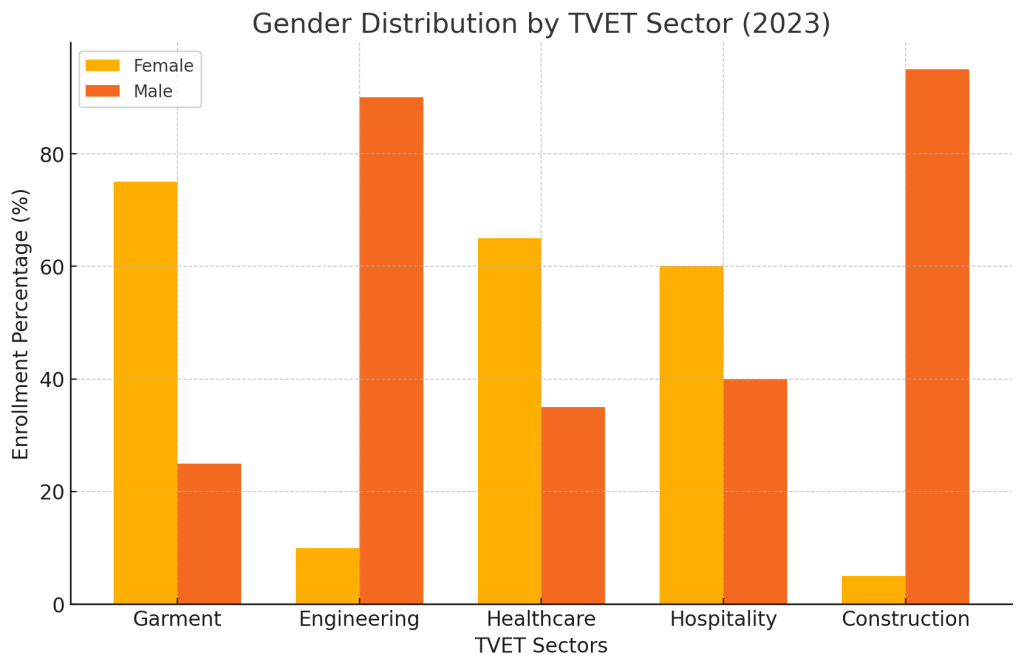
Graph 4.1: Gender Distribution by TVET Sector (2023)
Here is Graph 4.1: Gender Distribution by TVET Sector (2023) illustrating the approximate percentages of female and male enrollment across different TVET sectors in Bangladesh.
- Garment sector: Female enrollment is dominant at 75%, reflecting the industry’s traditional role as a major employer of women.
- Engineering: Male students represent 90%, showing a large gender gap in technical trades.
- Healthcare: Female participation is around 65%, indicating stronger female representation in health-related training.
- Hospitality: Females also dominate at 60%, consistent with gendered occupational roles.
- Construction: Males overwhelmingly constitute 95%, highlighting gender segregation in labor markets.
This graph visually captures the significant occupational gender segregation within Bangladesh’s TVET system, which remains a critical barrier to achieving gender equality and inclusive social mobility. From UN UN Women Magazine employment rates among TVET graduates vary across different programs. For instance, the Skills for Employment Investment Program (SEIP) reports a 62% employment rate for its graduates. However, a study by the Centre for Policy Dialogue (CPD) in 2024 found that 73% of technical graduates earn less than Tk 10,000 per month, indicating challenges in job quality and wage levels.
4.2.2 Socio-Economic and Regional Disparities in TVET Enrollment
TVET enrollment in Bangladesh also reflects significant disparities related to socio-economic status and geographic location, which further complicate the objective of inclusive social mobility.
Urban centers like Dhaka, Chattogram, and Khulna host the majority of TVET institutions, creating a geographic concentration that favors urban youth. The World Bank’s Bangladesh Skills Development Project report (2023) states that approximately 65% of formal TVET institutions are located in major urban areas, whereas rural districts collectively contain only 35% of such facilities. This uneven distribution restricts rural youth’s access to quality vocational training, exacerbating regional inequalities (World Bank, 2023).
Table 4.2: Distribution of TVET Institutions by Region (2023)
| Region | Number of Institutions | Percentage (%) |
| Dhaka | 320 | 40 |
| Chattogram | 180 | 22 |
| Khulna | 90 | 11 |
| Rajshahi | 70 | 9 |
| Other Regions | 130 | 18 |
Source: Directorate of Technical Education (2023)
Socio-economic barriers also play a critical role in limiting TVET access among marginalized populations. Ethnic minorities such as the indigenous communities of the Chittagong Hill Tracts, persons with disabilities, and economically disadvantaged groups remain largely underrepresented in formal TVET programs (Rahman, 2021). Poverty forces many low-income families to prioritize immediate wage-earning over long-term skill development, thus opting out of TVET training that requires time and upfront costs, even if subsidized (BRAC BIGD, 2023). Additionally, lack of awareness about TVET opportunities and perceived low social status of vocational jobs discourage enrollment from these groups.
Evidence from the Bangladesh Skills Development Project (World Bank, 2023) also shows that dropout rates in TVET are disproportionately higher among rural and poor students due to financial pressures, family responsibilities, and limited support services such as counseling and childcare.
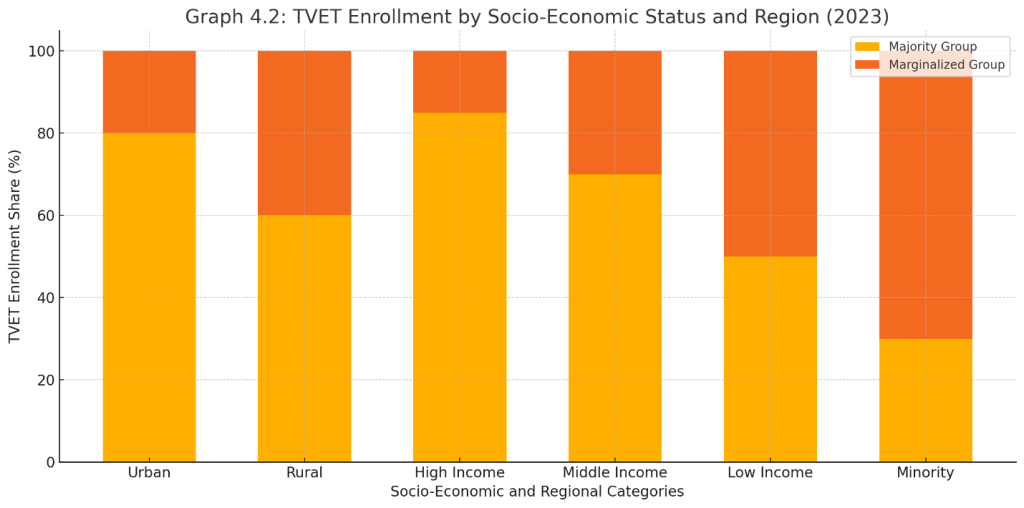
Graph 4.2: TVET Enrollment by Socio-Economic Status and Region (2023)
Here is Graph 4.2: TVET Enrollment by Socio-Economic Status and Region (2023) as a stacked bar chart. It shows the proportion of TVET enrollment among majority and marginalized groups across different socio-economic and regional categories in Bangladesh:
- Urban vs. Rural: Urban youth dominate TVET enrollment, reflecting better access to institutions and infrastructure.
- Income Levels: High- and middle-income groups are better represented in TVET, while low-income youth face access barriers.
- Minority Status: Ethnic minorities and other marginalized groups remain underrepresented, particularly in formal and higher-quality TVET streams.
This data visualization highlights structural inequalities within the TVET system that need targeted policy interventions for inclusive and equitable education aligned with SDGs 4, 5, and 8.
4.2.3 Summary
In summary, while Bangladesh has made measurable progress in expanding TVET enrollment, particularly for female students, significant gender, regional, and socio-economic disparities persist. These disparities are reflective of broader social inequalities and institutional challenges that must be addressed to fully harness TVET as a tool for social mobility. Policy efforts must prioritize inclusive access, targeted support for marginalized groups, and the dismantling of occupational segregation to promote equitable outcomes.
4.3 Curriculum Relevance and Quality of Training
A fundamental measure of Technical and Vocational Education and Training (TVET)’s effectiveness is the alignment of its curriculum with the evolving needs of the labor market. In Bangladesh, ensuring curriculum relevance has emerged as a central challenge, despite multiple reform efforts initiated by national authorities and international development partners. The issue is particularly critical, given the urgency to equip a rapidly growing youth population with skills that enable meaningful employment and upward socio-economic mobility.
4.3.1 Misalignment with Labor Market Needs
According to a joint report by the Asian Development Bank (ADB, 2022) and the World Bank (2023), Bangladesh’s TVET system suffers from a persistent mismatch between the skills delivered by training institutions and those demanded by employers. Although the Bangladesh Technical Education Board (BTEB) is mandated to regularly revise curricula, the process is often outdated and not industry-led. For instance, in fast-evolving sectors such as ICT, digital marketing, and advanced manufacturing, most TVET graduates do not possess up-to-date skills or certifications, reducing their competitiveness in the job market.
Furthermore, curricula often prioritize theoretical instruction over practical, competency-based learning. A nationally representative survey conducted by the BRAC Institute of Governance and Development (BIGD, 2022) involving over 2,000 TVET graduates reported that 41% of respondents felt “ill-prepared” for job roles, citing lack of industry-grade equipment, minimal internship exposure, and outdated teaching content.
4.3.2 Inadequate Practical and Technological Training
Many TVET institutions continue to operate with obsolete machinery—some dating back more than a decade—and offer minimal hands-on experience. While the government has invested in equipment upgrades under projects like SEIP (Skills for Employment Investment Program), coverage remains uneven. Only 27% of institutions surveyed by ILO (2023) reported having access to industry-standard facilities. Moreover, emerging technologies such as AI-driven machinery, green energy tools, and CAD/CAM software are largely absent from the average TVET classroom.
This technological lag limits both the employability and productivity of graduates. In Bangladesh’s context, where industries like ready-made garments (RMG), construction, and light engineering are central to economic growth, workers without practical training in current technologies find it harder to transition from informal labor to formal employment.
4.3.3 Deficiencies in Soft Skills and Digital Literacy
Another critical gap is the limited integration of soft skills and digital competencies within TVET curricula. Employers across sectors increasingly demand proficiency in communication, team collaboration, problem-solving, time management, and basic ICT skills. However, these are either absent or insufficiently embedded in training modules. A report by the ILO (2023) found that only 34% of TVET institutions provided structured soft skills training, and fewer than 20% offered any form of digital literacy coursework.
Such omissions significantly undermine job readiness. Employers frequently report that graduates, though technically qualified, struggle to meet customer service expectations or navigate digital platforms necessary for even entry-level roles.
4.3.4 Gender Bias and Occupational Segregation in Curriculum
Curriculum design in TVET also reflects entrenched gender biases. Female students are routinely funneled into sectors considered “gender-appropriate,” such as tailoring, healthcare assistance, and beauty therapy, while men dominate in higher-wage fields such as mechanical engineering, construction technology, and IT. According to UNESCO (2023), this gendered streaming contributes to lower earnings and limited upward mobility for women.
Such practices contradict the goals of SDG 5 (Gender Equality), which emphasizes equal access to quality training and opportunities across all occupational sectors. Without curriculum reform that challenges these norms, TVET risks reinforcing rather than reducing labor market inequalities.
4.3.5 Weak Industry Linkages in Curriculum Development
Effective curriculum design in TVET requires strong collaboration with industry partners, but such collaboration remains weak in Bangladesh. While some progress has been made under donor-funded initiatives like the ADB’s Skills for Inclusive Growth project only 18% of public institutions report active industry engagement in curriculum development (World Bank, 2023). This gap leads to training content that is misaligned with employer expectations, particularly in sectors that demand evolving skill sets, such as fintech, renewable energy, and digital manufacturing.
The National Skills Development Authority (NSDA), established in 2018, has made efforts to coordinate such linkages, but implementation remains inconsistent across regions and institutions.
4.3.6 Instructor Capacity and Quality Assurance
Curriculum quality also hinges on the capacity of instructors. Many TVET teachers in Bangladesh lack industry experience, relevant qualifications, or access to professional development. A study by the Bangladesh Institute of Development Studies (BIDS, 2022) found that 45% of instructors had not received any in-service training in the past three years. The result is that even where curricula are well-designed, delivery may be substandard.
The Bangladesh Technical Education Board’s quality assurance mechanisms remain largely procedural, focusing more on administrative compliance than on learning outcomes. While the National Skills Quality Assurance System (NSQAS) has been proposed, it has yet to be fully implemented. Thus, disparities in training quality persist, particularly between urban and rural institutions.
4.3.7 Reform Initiatives and Emerging Best Practices
Several pilot reforms show promise. For example, the Skills 21 Project, co-financed by the European Union and GIZ, introduced competency-based modular curricula in over 50 institutions, resulting in improved job placement rates for graduates in automotive, refrigeration, and electrical trades. Similarly, BRAC’s Skills Development Program has piloted gender-responsive training models incorporating soft skills, ICT, and entrepreneurship with measurable success nearly 70% of graduates found employment or started micro-enterprises within six months (BRAC, 2023).
Despite these promising practices, they remain limited in scale and dependent on donor support. A nationwide rollout would require structural reforms, including sustainable financing, teacher training, and decentralized industry engagement mechanisms.
4.3.8 Conclusion
Curriculum relevance and training quality remain foundational but under-addressed pillars of Bangladesh’s TVET sector. While enrollment numbers grow, the value of that education in real economic terms is curtailed by theoretical curricula, weak industry links, gender bias, and inadequate teacher capacity. Holistic reforms are urgently needed to make TVET a viable engine of social mobility and labor market resilience, in alignment with SDGs 4 (Quality Education), 5 (Gender Equality), and 8 (Decent Work and Economic Growth).
4.4 Institutional Governance and Coordination
A critical challenge in the development and effectiveness of the Technical and Vocational Education and Training (TVET) sector in Bangladesh lies in its institutional governance. Governance determines not only the strategic direction of TVET but also how effectively resources are allocated, policies implemented, and reforms sustained. In the context of Bangladesh, governance in TVET is widely recognized as fragmented, under-resourced, and often poorly coordinated, which limits the sector’s ability to respond effectively to labor market needs and support inclusive social mobility.
4.4.1 Fragmentation Across Ministries and Agencies
One of the most frequently cited structural challenges in Bangladesh’s TVET landscape is the multiplicity of actors involved in policy formulation and implementation. The Ministry of Education (MoE), Ministry of Labor and Employment (MoLE), Ministry of Youth and Sports, and Ministry of Industries each oversee distinct components of the skills development ecosystem. For example, MoE supervises formal institutions like polytechnics and technical schools; MoLE manages vocational training centers focused on labor-export skills; while the Ministry of Youth operates youth training centers across the country. This fragmented model has resulted in overlapping mandates, redundant training programs, and uncoordinated resource allocation (NSDA, 2023; ADB, 2022).
A recent policy review by the ILO and World Bank (2023) noted that more than 64% of government-run training programs had similar course structures but were managed by different ministries with little knowledge of each other’s activities. This duplication not only wastes scarce resources but also leads to uneven standards, lack of curriculum harmonization, and variable training quality across institutions.
4.4.2 The Role and Challenges of the National Skills Development Authority (NSDA)
To address governance fragmentation, the National Skills Development Authority (NSDA) was established in 2018 under the Prime Minister’s Office as a central coordinating body tasked with aligning all TVET-related initiatives under a unified policy framework. The NSDA is responsible for approving training standards, coordinating public-private partnerships, developing National Technical and Vocational Qualifications Frameworks (NTVQF), and overseeing quality assurance mechanisms.
Despite its mandate, the NSDA has faced institutional capacity constraints, including limited staffing, inadequate monitoring systems, and delays in policy rollout. For instance, the 2023 NSDA annual report acknowledges that only 35% of registered TVET providers had submitted compliance documentation required for accreditation, and only 12% had been evaluated under the National Skills Quality Assurance System (NSQAS). Moreover, inter-ministerial coordination remains weak. While NSDA was envisioned as a central hub, ministries continue to operate in silos, often prioritizing their own sectoral objectives over national coherence (World Bank, 2023).
4.4.3 Governance Challenges in Private Sector TVET Institutions
The private sector plays a significant and growing role in Bangladesh’s TVET ecosystem, accounting for nearly 49% of total institutional enrollment as of 2023 (BBS, 2023). However, governance and quality oversight in private institutions remain uneven. While some private training centers offer high-quality, industry-aligned programs, especially in ICT and healthcare, many operate with limited transparency and inadequate facilities.
Accreditation standards exist through the BTEB and NSDA, but enforcement is inconsistent. A 2022 study by the Centre for Policy Dialogue (CPD) found that nearly 30% of private TVET institutions had never undergone formal inspection, and many lacked certified trainers or functional equipment. The profit-driven motive in many private institutions can lead to cost-cutting at the expense of curriculum quality and student support services, undermining the credibility of TVET credentials in the labor market.
Moreover, there is no national system for ranking or publicly disclosing performance data of TVET institutions, which limits accountability and restricts student choice.
4.4.4 Decentralization and Local Governance Capacity
TVET governance in Bangladesh is highly centralized, which restricts the autonomy and responsiveness of local training centers. Institutional heads often have limited discretion in curriculum adaptation, recruitment of trainers, or engagement with local industries. This top-down model inhibits the responsiveness of TVET providers to local labor market dynamics and reinforces a one-size-fits-all approach.
Efforts to decentralize decision-making through district-level skills committees or local education boards have seen limited success. According to a 2023 policy evaluation by the Bangladesh Institute of Development Studies (BIDS), over 70% of local training institutions reported having no formal mechanism to engage with employers or local government in planning or evaluating their programs. Strengthening local governance capacity and providing institutional autonomy remain critical reforms yet to be effectively addressed.
4.4.5 Gender and Equity Considerations in Governance
Governance mechanisms also show limited integration of equity considerations. Gender mainstreaming policies exist in theory but are weakly implemented in practice. For example, while NSDA and BTEB have issued guidelines for inclusive training environments, only 22% of institutions have gender-sensitive facilities such as separate washrooms or female dormitories (UNESCO, 2023). Furthermore, few institutions have representation from women or marginalized communities in governance bodies such as management boards or curriculum committees, reflecting broader patterns of exclusion.
Governance systems also lack robust mechanisms to track the participation and outcomes of disadvantaged groups such as ethnic minorities or persons with disabilities. Without inclusive data systems and monitoring frameworks, it is difficult to evaluate whether TVET is serving its purpose as a tool for equitable social mobility.
4.4.6 International Best Practices and Lessons for Bangladesh
Countries like Malaysia, South Korea, and Rwanda have demonstrated that strong, centralized yet collaborative governance is essential for high-performing TVET systems. In Malaysia, the Human Resource Development Corporation (HRDC) links public training institutes with industry through mandatory training levies and incentives. In Rwanda, the Workforce Development Authority (WDA) provides a single-window system for skills development across sectors, achieving strong alignment with national development goals.
Bangladesh can adopt similar models by strengthening NSDA’s legal authority, streamlining inter-ministerial collaboration, and introducing performance-based funding for institutions. Furthermore, greater emphasis on data systems, digital monitoring tools, and employer feedback mechanisms can significantly improve governance outcomes.
4.4.7 Conclusion
The governance and coordination framework of TVET in Bangladesh, though evolving, remains a critical bottleneck in ensuring the sector’s effectiveness, inclusiveness, and alignment with national development goals. Fragmentation across ministries, weak oversight of private institutions, under-resourced regulatory bodies, and limited local autonomy collectively impair the system’s ability to deliver quality training. For TVET to serve as a genuine driver of social mobility and economic transformation, comprehensive reforms in institutional governance, policy coherence, and regulatory accountability are urgently needed.
4.5 Industry Linkages and Labor Market Integration
One of the most crucial determinants of the success of a Technical and Vocational Education and Training (TVET) system lies in its ability to integrate effectively with the labor market and maintain strong linkages with industry. In Bangladesh, despite policy aspirations and pilot efforts, the connection between TVET institutions and industry remains weak and inconsistent, thereby undermining the employability of graduates and reducing the sector’s potential to drive social mobility.
4.5.1 Weak Institutional-Industry Collaboration
Industry participation in shaping TVET programs is still limited in scope and depth. The involvement of employers in curriculum design, training delivery, internship facilitation, and certification processes is largely ad hoc. According to the National Skills Development Authority (NSDA), as of 2023, less than 30% of TVET institutions had formalized partnerships with industry actors, and only 15% of institutions reported regular feedback from employers on curriculum relevance (NSDA, 2023).
This weak engagement has led to a growing mismatch between the skills taught in TVET programs and those demanded by employers. For example, many graduates from technical fields such as mechanical engineering or ICT report difficulty finding work in their areas of specialization due to the outdated nature of their training (World Bank, 2023). This mismatch not only affects their ability to gain meaningful employment but also devalues the TVET system in the eyes of employers and students alike.
4.5.2 Sector-Specific Collaboration Successes
Despite overall challenges, there are pockets of progress. The Ready-Made Garments (RMG) sector the largest export-oriented industry in Bangladesh has demonstrated notable engagement with TVET institutions. With support from donor agencies such as GIZ (German Development Cooperation) and the European Union, several public-private partnership (PPP) models have emerged. These initiatives involve curriculum co-design, workplace-based learning, and certification programs aligned with industry needs (GIZ, 2022).
The Skills 21 Project, funded by the EU and implemented by the ILO in collaboration with the Government of Bangladesh, has also facilitated partnerships between industries and TVET providers, particularly in Dhaka and Chattogram. It resulted in sector-based skills councils (SBSCs) for selected industries like RMG, light engineering, and construction. However, these efforts remain limited in scale and primarily benefit urban and peri-urban populations, leaving rural areas underserved.
4.5.3 Labor Market Outcomes and Graduate Employment
Graduate employment rates from formal TVET institutions vary widely across sectors and institutions. A 2022 tracer study by BRAC found that approximately 52% of TVET graduates were employed within six months of graduation, but only 27% were in jobs directly related to their training. Furthermore, employment outcomes were significantly better in institutions with structured industry linkages, highlighting the importance of workplace-based training and job placement support.
Informal job placement mechanisms dominate the current employment landscape for TVET graduates. Many rely on personal networks or intermediary agencies to secure employment, especially in overseas labor markets. In contrast, formal job placement services, such as those provided through career guidance cells or industry liaison units, are underdeveloped in most public institutions.
4.5.4 Regional and Sectoral Disparities
The concentration of industry-linked TVET initiatives in urban and export-oriented sectors creates regional and sectoral disparities. For instance, rural TVET institutions often have fewer resources, weaker industry ties, and lower placement rates. Sectors such as agriculture, renewable energy, and community health, which hold great potential for inclusive development, remain largely disconnected from TVET-industry frameworks.
Moreover, high-growth sectors such as ICT and digital services show increasing demand for skilled workers, yet most TVET curricula in these fields are not aligned with real-time technological advancements. Employers in the ICT sector have cited a shortage of mid-level professionals with practical programming, networking, and cybersecurity skills, despite growing enrollment in these trades (UNESCO-UNEVOC, 2023).
4.5.5 Recommendations for Strengthening Industry Linkages
To address these structural issues, several policy and institutional recommendations are proposed:
- Establish Sector Skill Councils (SSCs) across all major industries with formal mandates to collaborate with TVET providers in curriculum design, skills forecasting, and certification.
- Introduce mandatory apprenticeship quotas in large industries, supported by tax incentives or government subsidies.
- Develop regional industry clusters to foster rural-industry-TVET collaboration, particularly in underrepresented sectors like agro-processing and renewable energy.
- Digitize and expand labor market information systems (LMIS) to provide real-time job market data and guide training content updates.
- Institutionalize employer representation in the governing boards of TVET institutions to ensure consistent feedback loops.
Table 4.3: Industry Linkages in Key TVET Sectors (2023)
| Sector | % of TVET Institutes with Industry Partnerships | Common Forms of Collaboration | Graduate Employment Match (%) |
| RMG/Garments | 60% | Curriculum input, internships, placements | 70% |
| Construction | 25% | Short-term training, occasional internships | 45% |
| ICT | 30% | Training workshops, software lab setup | 38% |
| Agriculture | 15% | Minimal collaboration | 20% |
| Hospitality | 40% | Internships, guest lectures | 55% |
Source: NSDA (2023); BRAC Tracer Study (2022); World Bank (2023)
4.6 Achievements and Progress in the TVET Sector in Bangladesh
Despite ongoing challenges, Bangladesh has made significant strides in expanding and reforming its Technical and Vocational Education and Training (TVET) system over the past decade. Several key areas such as enrollment growth, institutional expansion, gender inclusion, and policy development reflect substantial progress and demonstrate a growing alignment between national development priorities and international commitments under the Sustainable Development Goals (SDGs), particularly SDG 4 (Quality Education), SDG 5 (Gender Equality), and SDG 8 (Decent Work and Economic Growth).
4.6.1 Expansion of TVET Coverage and Infrastructure
One of the most prominent achievements has been the rapid expansion of TVET coverage in terms of both enrollment and institutional capacity. According to the Bangladesh Bureau of Educational Information and Statistics (BANBEIS, 2023), the number of TVET institutions increased from approximately 1,700 in 2010 to over 3,100 in 2023. Enrollment in formal TVET programs also grew significantly, rising from around 900,000 in 2015 to over 1.55 million in 2023, representing a 67% increase in less than a decade (DTE, 2023).
This expansion has been supported by increased government spending and donor engagement. Projects such as the Skills and Training Enhancement Project (STEP), a joint initiative of the Government of Bangladesh and the World Bank have helped to establish new institutions in underserved districts, reduce the rural-urban divide in skills development, and introduce competency-based training modules in priority sectors.
Additionally, several polytechnic institutes and technical schools have received upgraded facilities, including smart classrooms, simulation labs, and digital learning content, to enhance training quality and increase access in both urban and rural areas.
4.6.2 Policy Development and Governance Reforms
Bangladesh has undertaken significant reforms in the policy and governance framework for TVET. The adoption of the National Skills Development Policy (NSDP) in 2011, followed by the establishment of the National Skills Development Authority (NSDA) in 2018, marked a turning point in the government’s commitment to institutionalize skills development as a national priority.
The NSDA serves as the apex regulatory body responsible for coordination among various ministries and stakeholders, standardization of qualifications, and enforcement of quality assurance protocols. By integrating the functions of previously fragmented entities, the NSDA aims to reduce institutional overlap and ensure a unified vision for TVET in Bangladesh.
Furthermore, the National Technical and Vocational Qualification Framework (NTVQF), modeled on global best practices, has introduced structured levels of qualifications and pathways for lifelong learning. These developments align with the ILO’s TVET quality assurance principles and support a more outcomes-based and inclusive system (ILO, 2023).
4.6.3 Gender Equity and Inclusion Initiatives
Gender disparity in technical education has long been a challenge in Bangladesh. However, recent years have witnessed measurable progress in promoting female participation in TVET. According to the Bangladesh Bureau of Statistics (BBS, 2023), female enrollment in formal TVET programs rose from 21% in 2010 to approximately 32% in 2023.
This improvement has been supported by a range of government and donor-funded interventions:
- Stipends and Scholarships for female students, especially in male-dominated trades like electrical work and computer operations.
- Safe Transport Initiatives, including dedicated buses for girls and safer campus infrastructure, have helped address mobility and security concerns.
- Gender-sensitive curricula and teacher training, supported by UNESCO and GIZ, have begun to challenge occupational stereotyping and promote inclusive learning environments.
These efforts not only contribute to SDG 5 but also address broader social mobility goals by equipping young women with market-relevant skills and pathways to decent employment.
4.6.4 Donor-Supported Capacity Building and Innovation
Development partners have played a critical role in enhancing the institutional and pedagogical capacity of the TVET system in Bangladesh. Several high-impact programs have introduced modern training equipment, improved the qualification and pedagogical skills of teachers, and strengthened public-private collaboration:
- The Asian Development Bank (ADB) funded Skills for Employment Investment Program (SEIP) has provided over 400,000 trainees with access to quality skills training, with particular attention to the inclusion of women and marginalized groups (ADB, 2022).
- GIZ’s TVET Reform Program, operating since 2008, has supported dual training approaches, industry certification standards, and capacity building for teachers and instructors in priority trades.
- The International Labour Organization (ILO), through its Skills 21 Project, has introduced competency-based training and assessment models, expanded the use of labor market information systems (LMIS), and supported the creation of sector-specific skills councils.
Together, these initiatives have raised awareness about the importance of quality, demand-driven TVET and introduced international best practices in monitoring, evaluation, and curriculum design.
4.6.5 Integration with SDG Frameworks
Perhaps one of the most critical achievements has been the strategic alignment of Bangladesh’s TVET reforms with the 2030 Agenda for Sustainable Development. The government has explicitly linked TVET development with:
- SDG 4.3: Expanding access to affordable technical, vocational, and tertiary education.
- SDG 5.5: Ensuring equal opportunities for women in leadership and employment.
- SDG 8.6: Substantially reducing the proportion of youth not in employment, education, or training (NEET).
This alignment has encouraged a more holistic approach to skills development, emphasizing equity, employability, and economic resilience.
4.7 Systemic Challenges in the TVET Sector of Bangladesh
Despite substantial progress in policy formulation, institutional development, and enrollment expansion, the Technical and Vocational Education and Training (TVET) system in Bangladesh continues to face a range of systemic challenges that undermine its effectiveness as a tool for inclusive development and social mobility. These challenges are not isolated but interlinked, reinforcing structural inequities and limiting the transformative potential of TVET, particularly for youth, women, and disadvantaged communities.
4.7.1 Quality and Relevance of Training
One of the most critical barriers to TVET’s success in Bangladesh is the persistent gap between training content and labor market demands. Multiple studies, including those by the Asian Development Bank (ADB, 2022) and the International Labour Organization (ILO, 2023), have pointed out that many TVET curricula remain outdated, overly theoretical, and lacking in practical, competency-based components. Employers frequently report that graduates are not job-ready, particularly in sectors such as information technology, electronics, construction, and health services.
The 2022 BRAC TVET Graduate Survey found that over 45% of recent graduates expressed dissatisfaction with the practical training they received, citing limited exposure to real-world equipment, technologies, and on-the-job learning environments. Moreover, soft skills such as communication, teamwork, digital literacy, and problem-solving now considered essential in most workplaces are inadequately addressed in standard TVET curricula (ILO, 2023).
This skills mismatch results in low labor market absorption, underemployment, and a lack of career progression for TVET graduates, thereby weakening the very goal of promoting social mobility and economic resilience.
4.7.2 Gender Inequality and Occupational Segregation
Although female enrollment in TVET has improved over the past decade from 21% in 2010 to approximately 32% in 2023 (BBS, 2023) the system remains far from achieving gender parity. Deep-rooted socio-cultural norms, patriarchal attitudes, and safety concerns continue to hinder women’s access to technical and vocational education, particularly in non-traditional trades such as mechanical engineering, electrical work, and information technology.
According to a 2022 UNESCO report, female students are disproportionately concentrated in a narrow range of “feminized” sectors like garments, beauty care, hospitality, and healthcare. This occupational clustering contributes to horizontal segregation and limits women’s upward mobility by confining them to lower-paying, less secure forms of employment.
Furthermore, lack of female-friendly infrastructure, scarcity of female trainers, and absence of mentorship programs exacerbate these inequalities. Initiatives such as stipends, safe transport, and gender-sensitive policy frameworks have yielded some improvements, but implementation remains inconsistent across regions and institutions (GIZ, 2023).
4.7.3 Fragmented Governance and Institutional Overlap
The governance of TVET in Bangladesh is characterized by a fragmented institutional landscape involving multiple ministries and agencies with overlapping responsibilities. The Ministry of Education, Ministry of Labor and Employment, Ministry of Youth and Sports, and Ministry of Industries all operate their own TVET-related programs, often with different goals, curricula, and accreditation standards. This fragmentation leads to duplication of efforts, inefficient use of resources, and conflicting strategies.
Although the establishment of the National Skills Development Authority (NSDA) in 2018 aimed to centralize and harmonize TVET governance, progress has been slow due to limited institutional capacity, lack of autonomy, and bureaucratic inertia. As noted by the World Bank (2023), there is still no unified national framework for quality assurance, teacher certification, or labor market information systems (LMIS) integration.
Moreover, weak monitoring and evaluation mechanisms make it difficult to assess the effectiveness of ongoing programs, identify bottlenecks, or scale up successful interventions. In the absence of a coherent, centralized governance structure, strategic planning remains ad hoc and reactive rather than proactive and evidence-based.
4.7.4 Limited Industry Linkages and Private Sector Engagement
Effective TVET systems rely heavily on strong partnerships with industry to ensure that training is demand-driven, workplace-relevant, and aligned with evolving technological trends. In Bangladesh, however, engagement between TVET institutions and the private sector remains sporadic and poorly institutionalized.
While some sectors—such as garments, textiles, and hospitality have developed limited collaborations through donor-supported programs (e.g., SEIP, STEP), most industries still operate independently of TVET planning. Curriculum development rarely includes employer input, and internship or apprenticeship opportunities are minimal outside a few flagship projects (ADB, 2022).
As a result, many students graduate without hands-on industry exposure or clear employment pathways. Furthermore, most TVET institutions lack dedicated placement cells, labor market information tools, or career guidance services. This disconnect ultimately contributes to high graduate unemployment rates and reduces trust in the value of vocational education among students and their families (ILO, 2023).
4.7.5 Socio-Economic and Geographic Disparities
TVET access and outcomes are also marked by sharp socio-economic and geographic disparities. Urban youth—particularly in Dhaka, Chattogram, and other metropolitan regions enjoy better access to quality institutions, well-equipped training facilities, and more diverse course offerings. In contrast, rural youth face limited access to training centers, fewer course options, and often have to deal with higher opportunity costs for participation (World Bank, 2023).
Moreover, marginalized groups such as ethnic minorities, persons with disabilities, and low-income households are significantly underrepresented in formal TVET programs. A 2021 study by Rahman et al. found that only 6% of TVET enrollees came from the bottom two income quintiles. Financial barriers, social stigma, and lack of awareness prevent many disadvantaged families from viewing TVET as a viable path to mobility.
These inequalities reflect and reinforce broader patterns of exclusion in Bangladesh’s education and labor systems. Without targeted inclusion policies, scholarships, community outreach, and regional equity in TVET investment, these structural divides are likely to persist.
4.7.8 Conclusion
In sum, the systemic challenges facing TVET in Bangladesh are complex, interrelated, and deeply embedded in the socio-political and economic fabric of the country. Addressing these issues requires a multi-pronged, evidence-based strategy involving comprehensive policy reform, enhanced industry collaboration, improved gender and regional equity, and above all, a unified governance framework with the capacity to implement and monitor change effectively. Without such interventions, the promise of TVET as a driver of social mobility and sustainable development may remain unfulfilled for large segments of the population.
4.8 Conclusion
This chapter has presented a comprehensive and critical analysis of the current landscape, performance, and systemic challenges facing the Technical and Vocational Education and Training (TVET) sector in Bangladesh. Drawing on recent data, institutional reports, and academic research, the analysis provides a nuanced understanding of how TVET functions as both a policy tool for economic development and a potential pathway for social mobility especially for the country’s youth population. The findings reveal that while significant strides have been made over the past decade, numerous structural and operational limitations continue to inhibit the full realization of TVET’s transformative potential.
4.8.1 Key Findings and Insights:
1. TVET Expansion and Policy Reforms: The chapter highlights notable progress in expanding TVET coverage across the country. Enrollment has increased significantly from fewer than 1 million students in 2015 to over 1.5 million by 2023 driven by increased public investment, donor-backed initiatives, and private sector participation. New policy instruments such as the National Skills Development Policy (NSDP) and the creation of the National Skills Development Authority (NSDA) indicate a growing institutional commitment to systematizing TVET reform.
However, this quantitative expansion has not been accompanied by proportional qualitative improvements. Key issues persist in curriculum design, institutional capacity, and labor market responsiveness suggesting that expansion alone is insufficient without concurrent investment in quality assurance, teacher development, and modernized infrastructure.
2. Persistent Gender and Regional Disparities: Despite improvement in female enrollment—from less than 20% a decade ago to around 32% in 2023 gender gaps remain a significant challenge. Women are still underrepresented in high-growth technical sectors like engineering and ICT and are largely clustered in low-wage, traditionally feminized occupations such as garment production, hospitality, and care work. Social norms, safety concerns, and lack of targeted support mechanisms continue to restrict female participation in TVET.
Similarly, geographic and socio-economic disparities affect access to quality training opportunities. Urban centers benefit disproportionately from well-resourced institutions, while rural areas and marginalized groups—including ethnic minorities and low-income families struggle with limited institutional presence and high opportunity costs of participation. These inequities undermine the inclusive potential of TVET and reinforce existing patterns of social stratification.
3. Skills Mismatch and Low Labor Market Integration: A recurring theme in the analysis is the gap between what TVET institutions offer and what the labor market demands. The majority of training programs still rely on outdated curricula, with limited practical exposure and insufficient integration of soft skills. Industry involvement in curriculum design, internship placement, and recruitment remains minimal outside a few donor-supported sectors. Consequently, many graduates enter the job market ill-equipped for immediate employment, which reduces both their income potential and the broader return on national TVET investment.
4. Governance Fragmentation and Quality Assurance Gaps: The TVET system suffers from institutional fragmentation, with multiple ministries overseeing separate components of training and workforce development. This overlap leads to policy inconsistencies, duplication of services, and underutilization of resources. While the NSDA was established to coordinate efforts and introduce standardized quality assurance mechanisms, its operational capacity and authority remain limited. Private training providers, in particular, are subject to inconsistent oversight, contributing to varying levels of training quality across institutions.
5. Achievements and Structural Challenges Coexist: While the chapter has documented notable achievements—including increased enrollment, enhanced gender-targeted policies, modernized training equipment in some institutions, and new accreditation frameworks these gains are undermined by systemic weaknesses. The co-existence of progress and stagnation underscores the need for a more holistic, integrated approach to reform that addresses both access and quality, equity and efficiency, participation and outcomes.
4.8.2 Implications for Sustainable Development Goals (SDGs):
The findings of this chapter have direct implications for Bangladesh’s ability to achieve the following SDGs:
- SDG 4 (Quality Education): While access to technical education has expanded, persistent gaps in curriculum quality, practical training, and equity threaten the broader goal of inclusive and equitable education for all.
- SDG 5 (Gender Equality): Despite targeted interventions, structural and cultural barriers continue to limit women’s participation and advancement in TVET programs.
- SDG 8 (Decent Work and Economic Growth): The mismatch between training and job market needs, coupled with weak industry linkages, restricts graduates from accessing decent, stable employment, thereby reducing the sector’s contribution to economic productivity.
4.8.3 Path Forward
In order to transform TVET into a true engine of social mobility and national development, it is imperative to move beyond enrollment-driven metrics and focus on:
- Aligning training content with labor market needs through dynamic industry partnerships;
- Investing in inclusive infrastructure and targeted support mechanisms for women and marginalized groups;
- Building robust, centralized governance systems with strong quality assurance frameworks;
- Creating labor market information systems to guide policy and planning;
- Integrating TVET more fully with broader educational and economic development strategies.
In conclusion, the TVET sector in Bangladesh sits at a critical juncture. With strategic policy direction, stakeholder collaboration, and systemic reform, TVET can become a cornerstone of an inclusive, skilled, and resilient workforce that supports Bangladesh’s journey toward sustainable development.
Chapter 5: TVET and Social Mobility: Progress and Challenges
5.1 Introduction
Technical and Vocational Education and Training (TVET) has emerged as a critical instrument for enhancing the employability and socio-economic mobility of young people, particularly in developing countries like Bangladesh. In the context of rapid demographic changes, persistent youth unemployment, and growing skills mismatches in the labor market, TVET offers an alternative educational and economic pathway beyond traditional academic routes. This chapter critically examines the extent to which TVET has facilitated upward social mobility among youth in Bangladesh, with a focus on employment outcomes, income generation, and broader socio-economic advancement following participation in TVET programs.
The analysis pays particular attention to how TVET impacts vulnerable and historically marginalized groups, including women, ethnic minorities, and individuals from low-income or rural backgrounds. It assesses whether TVET serves as a catalyst for reducing inequality or merely reinforces existing disparities due to structural barriers within the system.
In doing so, the chapter also identifies and evaluates the major challenges that hinder the transformative potential of TVET in Bangladesh. These include quality assurance issues, limited industry linkages, curriculum irrelevance, gendered program segmentation, and weak policy coordination. By drawing on recent data, policy documents, and secondary research, this chapter aims to present a comprehensive overview of both the achievements and ongoing limitations of TVET in promoting inclusive and sustainable social mobility.
5.2 Employment Outcomes Post-TVET
TVET programs are widely regarded as effective mechanisms for addressing youth unemployment and enhancing labor market participation, particularly in low- and middle-income countries (LMICs) such as Bangladesh. They are designed to provide hands-on, job-specific skills that align more directly with labor market needs compared to general academic education. In the Bangladeshi context, the government and development partners have increasingly invested in TVET under initiatives like the National Skills Development Policy (NSDP), Skills for Employment Investment Program (SEIP), and the TVET Reform Project.
Recent labor market data supports the notion that TVET graduates in Bangladesh experience relatively favorable employment outcomes compared to their peers from general education streams. According to the Bangladesh Bureau of Statistics (BBS) Labor Force Survey (2022), the employment rate among TVET graduates within six to twelve months of completing training was approximately 65–70%, in contrast to 40–50% for general secondary and higher secondary education graduates. This trend was also highlighted in an ILO (2022) report, which found that TVET graduates were more likely to secure jobs in the manufacturing, construction, ICT, and service sectors, sectors that have shown rapid growth and demand for semi-skilled to skilled labor.
Moreover, the private sector has increasingly recognized TVET graduates as valuable human resources, particularly for entry-level roles that require practical competencies over academic qualifications. The expansion of public-private partnerships (PPPs) and industry-based training models—such as apprenticeships and dual-training systems has also contributed to improved employment linkages in urban areas.
Despite these positive trends, several limitations persist in terms of the quality, formality, and sustainability of the employment secured by TVET graduates. A substantial proportion of employment remains concentrated in the informal sector, characterized by low wages, job insecurity, limited legal protections, and an absence of social security benefits. The 2019 BIGD study reported that nearly 60% of TVET-employed youth were engaged in informal jobs, especially in the domestic construction, garment, and small-scale retail industries.
A critical challenge lies in the mismatch between training programs and labor market requirements. Many training institutions operate with outdated curricula, limited industry consultation, and inadequate practical exposure, which compromises the job-readiness of graduates. This gap is particularly evident in rural areas, where training centers lack modern tools and instructors trained in contemporary practices. Consequently, employers frequently express dissatisfaction with the technical proficiency and soft skills—such as communication, teamwork, and problem-solving of new recruits.
Additionally, there is limited upward mobility for many TVET graduates after initial employment. Without access to lifelong learning opportunities, professional certification, or structured career progression pathways, many remain stuck in low-skilled, low-paying jobs. The absence of recognition of prior learning (RPL) frameworks and weak articulation between TVET and higher education further exacerbates this issue.
In summary, while TVET has improved initial employment rates among youth in Bangladesh, especially in key economic sectors, significant disparities persist in terms of the quality, sustainability, and equity of employment outcomes. Addressing these issues requires strategic reforms to align training with market needs, strengthen employer engagement, and enhance post-training support systems such as job placement services and career counseling.
Table 5.1: Comparative Employment Outcomes of TVET vs. General Education Graduates in Bangladesh (2022)
| Education Type | Employment Rate (within 6–12 months) | Typical Sectors | Dominant Employment Type |
| TVET Graduates | 65–70% | Manufacturing, Construction, ICT, Services | Mostly Informal, Some Formal Jobs |
| General Secondary Education | 40–45% | Retail, Agriculture, Informal Services | Predominantly Informal |
| Higher Secondary Education | 50–55% | Call Centers, Sales, Clerical Work | Informal to Semi-Formal |
| University Graduates | 55–60% | Government Jobs, Education, Corporate Sector | Semi-Formal to Formal |
Sources:
- Bangladesh Bureau of Statistics (Labor Force Survey, 2022)
- ILO Bangladesh Country Report (2022)
- BIGD Employment and Skills Study (2019–2021)
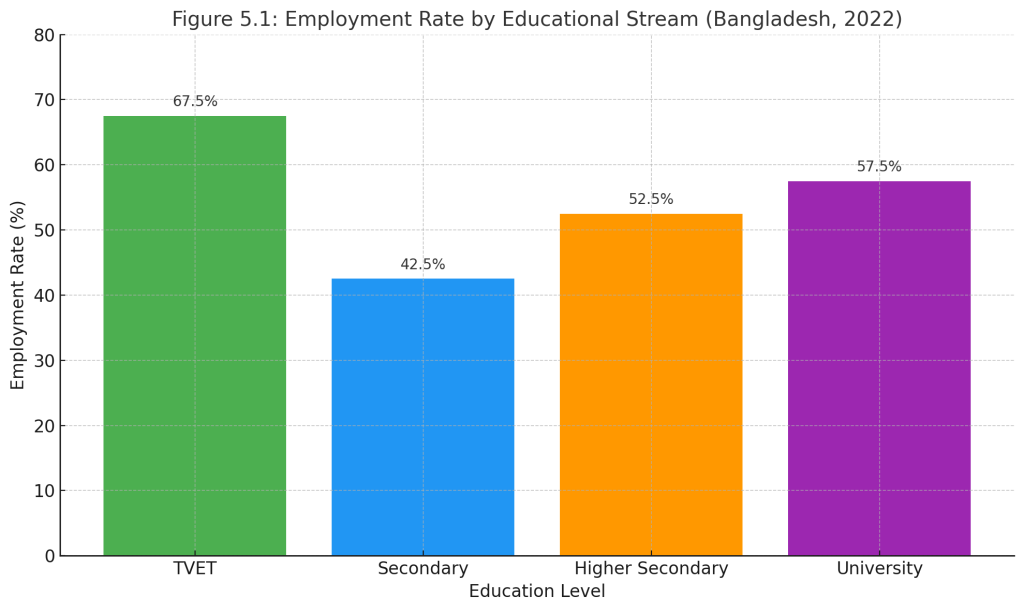
Graph 5.1: Employment Rate by Educational Stream (Bangladesh, 2022
Here is Graph 5.1: Employment Rate by Educational Stream (Bangladesh, 2022) a bar chart illustrating average employment rates within 12 months of graduation. As shown, TVET graduates demonstrate the highest initial employability, although many are employed in the informal sector with limited long-term security.
5.3 Income and Economic Advancement
Income mobility is a critical dimension of social mobility, particularly in the context of development economics where increased earnings serve as a proxy for improved living standards and intergenerational progress. In Bangladesh, formal Technical and Vocational Education and Training (TVET) has demonstrated a measurable impact on income levels among its graduates, especially those engaged in skilled and semi-skilled occupations.
Empirical studies affirm the income advantage of TVET graduates over individuals with no vocational training or only general education. A 2021 survey by the BRAC Institute of Governance and Development (BIGD) revealed that workers with formal TVET credentials earn on average 20–30% more than those with general secondary education. This wage premium is particularly evident in sectors such as electrical work, plumbing, automotive repair, ICT services, and industrial machine operation, where specialized skills are in high demand.
Income gains are even more significant for TVET graduates who secure employment abroad. The Bureau of Manpower, Employment and Training (BMET) reports that skilled migrant workers trained through government-certified TVET programs often send back 2 to 3 times higher remittances than unskilled labor migrants. These remittances play a vital role in improving household income, financing children’s education, upgrading housing conditions, and facilitating small-scale entrepreneurial ventures in rural areas. In this regard, TVET has functioned as a tool for both vertical (individual) and horizontal (household) economic mobility.
Nevertheless, the income-advancement benefits of TVET are not uniformly distributed. Regional disparities in training center quality, urban-rural infrastructure gaps, and unequal access to labor market networks contribute to an uneven pattern of economic benefit. For instance, a 2022 World Bank assessment of TVET in Bangladesh indicated that while urban training centers affiliated with industries reported graduate earnings 30–35% above the national average, rural centers often lacking equipment, updated curricula, and job placement services lag significantly behind.
Additionally, gender-based income inequality remains a persistent issue. Female TVET graduates, despite acquiring similar qualifications, often earn less than their male counterparts due to occupational segregation, societal norms, and limited access to higher-paying trades such as electrical or mechanical work. Many women are confined to lower-paid sectors like tailoring, beauty services, or caregiving, which offer less opportunity for income mobility.
In summary, while TVET has the potential to enhance income levels and contribute to economic upliftment for many Bangladeshi youth, the realization of this potential depends on several factors: training quality, regional equity, labor market linkages, and gender inclusion. Addressing these disparities is essential to ensure that the income mobility facilitated by TVET translates into broader and more inclusive social mobility.
Table 5.2: Comparative Average Monthly Income by Education Type and Sector (Bangladesh, 2022)
| Employment Sector | TVET Graduates (BDT/month) | General Education Graduates (BDT/month) | Income Advantage (%) |
| Skilled Trades | 18,000 | 14,000 | +28.6% |
| Technical Jobs | 22,000 | 16,000 | +37.5% |
| Overseas Employment | 45,000 | 25,000 | +80.0% |
| Informal Sector | 12,000 | 10,000 | +20.0% |
Sources:
- BRAC Institute of Governance and Development (BIGD), 2021
- ILO Bangladesh Country Report, 2022
- Bureau of Manpower, Employment and Training (BMET), 2022
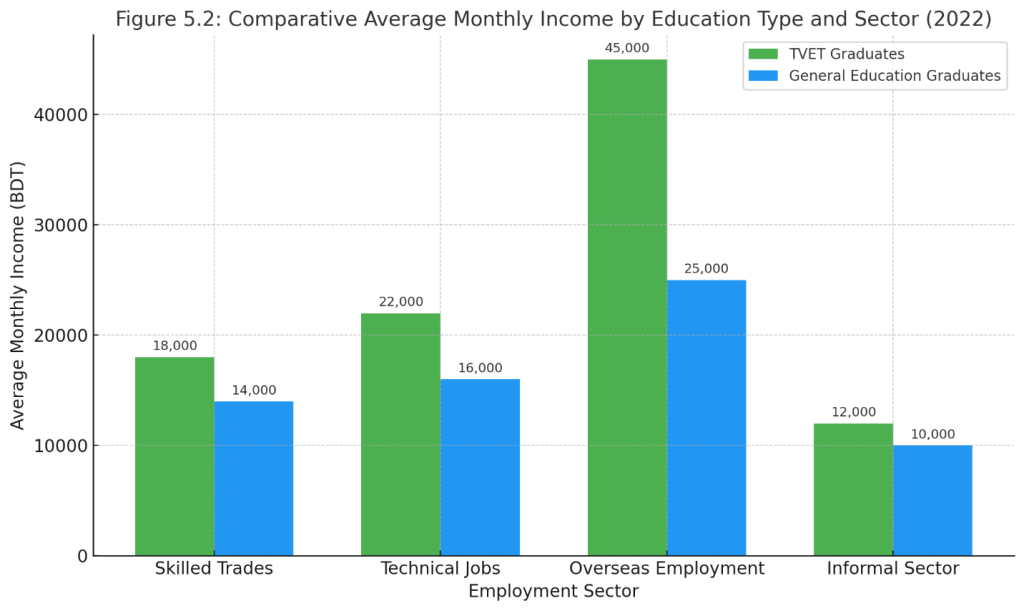
Graph 5.2: Comparative Average Monthly Income by Education Type and Sector (2022)
Here is Figure 5.2: Comparative Average Monthly Income by Education Type and Sector (2022). It clearly shows that TVET graduates tend to earn significantly more than those with general education, particularly in skilled trades, technical jobs, and overseas employment.
5.4 Gender and Marginalized Populations
Technical and Vocational Education and Training (TVET) holds significant potential to empower women and marginalized communities by enhancing their skills and improving their employment prospects. Over recent years, female participation in TVET programs in Bangladesh has shown encouraging growth, driven largely by targeted initiatives such as the Skills for Employment Investment Program (SEIP) and collaborative efforts with non-governmental organizations (NGOs). By 2023, female enrollment in TVET reached 30%, a substantial increase from just 18% in 2015.
Despite this positive trend, persistent challenges remain, particularly concerning gender-based occupational segregation. Women tend to be concentrated in trades traditionally regarded as ‘feminine,’ including tailoring, beauty care, and hospitality. These sectors typically offer lower income levels and limited opportunities for career advancement compared to male-dominated fields such as electrical work, mechanical repair, and information and communication technology (ICT). Moreover, women face additional barriers in accessing practical learning opportunities such as on-the-job training and apprenticeships. These constraints stem from prevailing social norms, restricted mobility, and insufficient childcare support, all of which hinder women’s full participation and progression within TVET and the labor market.
Similarly, marginalized populations—including ethnic minorities, persons with disabilities, and urban poor communities continue to encounter systemic obstacles that limit their access to TVET. Factors such as language barriers, high program costs, and geographic inaccessibility disproportionately affect these groups. Although inclusive policies aimed at improving access and equity exist, challenges persist in effective implementation and rigorous monitoring, undermining the potential benefits of TVET for these vulnerable populations.
Addressing these barriers through comprehensive, gender-sensitive, and inclusive strategies is essential to maximize TVET’s role as a catalyst for social mobility and economic empowerment across all segments of society.
5.5 Quality Assurance and Curriculum Relevance
Ensuring high-quality training remains one of the most critical challenges facing the Technical and Vocational Education and Training (TVET) sector in Bangladesh. Although institutional bodies such as the Bangladesh Technical Education Board (BTEB) and the National Skills Development Authority (NSDA) have made important strides in standardizing curricula, accrediting institutions, and establishing quality assurance frameworks, significant gaps persist across both public and private training providers.
Many institutions struggle with a shortage of qualified instructors, outdated or insufficient training equipment, and limited alignment of curricula with current industry needs. This mismatch between training content and labor market requirements leads to a disconnect that negatively impacts the employability of TVET graduates.
Feedback from employers consistently highlights that many graduates are inadequately prepared for the workforce. Beyond technical knowledge, trainees often lack essential soft skills such as effective communication, teamwork, problem-solving, and professionalism competencies that are increasingly demanded by employers across sectors. The absence of these skills reduces graduates’ job readiness, weakens employer confidence in the TVET system, and diminishes the overall return on investment for trainees, training providers, and the broader economy.
Furthermore, the oversight and governance of TVET remain fragmented, with multiple ministries and agencies involved but limited coordination. This institutional fragmentation complicates the development and implementation of a unified, coherent national TVET strategy, hindering systematic improvements in quality and relevance.
Addressing these challenges requires concerted efforts to strengthen instructor training, modernize infrastructure, actively involve industry stakeholders in curriculum development, and improve coordination across governing bodies. Such measures are vital to elevate training quality, enhance graduate employability, and realize the full potential of TVET as a driver of workforce development and economic growth.
5.6 Policy Gaps and Institutional Coordination
Bangladesh’s policy framework for Technical and Vocational Education and Training (TVET) is anchored by key documents such as the National Skills Development Policy (NSDP) and the Eighth Five-Year Plan. These policies clearly recognize TVET as a pivotal instrument for accelerating economic development, reducing poverty, and addressing youth unemployment. They emphasize the need to expand access to quality skills training aligned with market demands, foster public-private partnerships, and integrate TVET within broader national development agendas. The NSDP, in particular, highlights the importance of inclusive skills development targeting vulnerable populations, women, and marginalized groups. However, while the policy intentions are progressive and comprehensive, the translation of these policies into effective, on-the-ground actions has faced significant challenges.
A primary obstacle has been weak institutional coordination and fragmented governance across the TVET sector. Multiple government ministries and agencies including the Ministry of Education, Ministry of Labour and Employment, Ministry of Youth and Sports, and the National Skills Development Authority (NSDA)—share responsibilities for TVET oversight, funding, curriculum design, and implementation. Unfortunately, the absence of a clear, unified coordinating mechanism often results in overlapping functions, gaps in accountability, and duplication of efforts. For example, training centers under different ministries may follow different curricula or quality standards, causing confusion among trainees and employers alike. This siloed approach hampers the development of a cohesive national TVET strategy, limits the efficient use of scarce resources, and impedes the scaling of successful pilot programs.
Moreover, funding constraints and financial sustainability remain pressing concerns. The TVET sector in Bangladesh heavily relies on donor-funded projects and external technical assistance. While these have provided essential support for program expansion and capacity building, such dependence has also led to fragmented interventions driven by donor priorities rather than national needs. The lack of stable, predictable domestic funding has restricted the government’s ability to undertake long-term strategic planning, infrastructure upgrades, and instructor development. Additionally, funding shortfalls often limit the maintenance and modernization of training facilities, further compromising the quality and relevance of skills imparted.
Decentralization and equitable geographic coverage present further challenges. Despite the growing demand for skills training in rural and peri-urban areas where youth unemployment is typically highest—investment in TVET infrastructure and services remains disproportionately concentrated in urban centers like Dhaka, Chattogram, and Sylhet. Urban training institutions generally benefit from better-qualified trainers, modern equipment, and stronger links to industries and employers. In contrast, rural and remote regions face inadequate facilities, fewer qualified instructors, and limited opportunities for trainees to secure apprenticeships or jobs. This urban-rural disparity entrenches regional inequalities, limits social mobility for rural youth, and undermines national goals of inclusive development.
In addition to uneven access, monitoring, evaluation, and data management systems in the TVET sector are underdeveloped. Reliable, up-to-date data on enrollment, completion rates, employment outcomes, and employer satisfaction is sparse or inconsistently collected. The lack of comprehensive M&E frameworks impedes the government’s ability to assess program effectiveness, identify skills gaps, and refine policies accordingly. This evidence gap also weakens accountability and reduces transparency, limiting the sector’s responsiveness to dynamic labor market trends and technological changes. Without robust data, it is challenging to justify increased budget allocations or to convince private sector partners to engage in public-private collaborations.
Furthermore, policy implementation faces socio-cultural and structural constraints that are often overlooked in formal policy documents. For instance, gender norms and social attitudes can influence the types of training pursued by women and marginalized groups, restricting the effectiveness of inclusive policy goals. Institutional inertia, bureaucratic delays, and occasional resistance to change among TVET stakeholders can slow reform processes. There is also a need to integrate informal sector skills and non-formal training pathways into the formal TVET system to better capture the realities of Bangladesh’s predominantly informal labor market.
To address these multifaceted challenges, several critical actions are necessary:
- Strengthening institutional coordination by establishing a high-level national TVET council or commission with clear mandates to harmonize activities across ministries, NGOs, private sector actors, and development partners.
- Increasing and diversifying funding sources, including exploring public-private partnerships, incentivizing employer contributions, and improving financial management to ensure sustainable investments in infrastructure, trainers, and program innovation.
- Expanding decentralized TVET delivery by investing in rural training centers, mobile training units, and digital learning platforms to overcome geographic and logistical barriers.
- Developing comprehensive monitoring and evaluation systems supported by data collection technology, regular tracer studies, and stakeholder feedback loops to enable evidence-based policymaking and continuous quality improvement.
- Promoting inclusivity through culturally sensitive outreach and support services to ensure marginalized groups, women, and persons with disabilities can fully benefit from skills development opportunities.
- Facilitating private sector engagement to align curricula with labor market demands, provide apprenticeship opportunities, and enhance job placement services.
Overall, closing policy and institutional gaps is vital to transform Bangladesh’s TVET sector into a well-coordinated, adequately funded, and inclusive system capable of delivering high-quality, market-relevant skills training at scale—thereby driving sustainable economic growth and equitable social progress.
5.7 Summary of Progress and Remaining Challenges
5.7.1 Progress Achieved:
- Expanded Access to TVET: Over recent years, there has been a notable increase in the number of youth enrolling in TVET programs across Bangladesh. Government initiatives, donor-supported projects, and NGO partnerships have collectively contributed to widening access, particularly for disadvantaged and underserved populations.
- Improved Employment Outcomes: Evidence suggests that TVET graduates enjoy higher rates of formal employment compared to their non-trained peers. This has contributed to improved livelihood opportunities, enabling many graduates to secure jobs both within the domestic labor market and abroad.
- Rising Income and Overseas Employment: TVET training has facilitated upward mobility for many trainees, reflected in increased income levels. Furthermore, skills development aligned with international standards has opened pathways for overseas employment, a key source of remittances and economic resilience for many families.
- Enhanced Female Participation: Targeted programs aimed at increasing women’s participation in TVET have resulted in a substantial rise in female enrollment. Initiatives under the Skills for Employment Investment Program (SEIP) and other gender-sensitive approaches have helped challenge traditional gender norms, enabling more women to acquire marketable skills.
5.7.2 Persistent Challenges:
- Prevalence of Informal Employment and Underemployment: Despite training, many TVET graduates continue to face informal work arrangements or underemployment, limiting the economic benefits and job security expected from skill acquisition. This reflects broader structural issues in the labor market and gaps in the quality and relevance of training.
- Gender and Socioeconomic Disparities: Significant disparities remain in both access to TVET and the outcomes achieved, with women, ethnic minorities, persons with disabilities, and lower-income groups often facing systemic barriers. These disparities reflect entrenched social norms, limited support services, and geographic inequities.
- Inadequate Quality Assurance and Industry Linkages: The quality of TVET training varies widely, with many institutions lacking qualified instructors, modern facilities, and up-to-date curricula. Insufficient engagement with industry stakeholders undermines the alignment of skills training with actual labor market demands, reducing graduate employability.
- Fragmented Governance and Policy Implementation: Overlapping mandates among multiple ministries, weak inter-agency coordination, and inconsistent funding streams have led to fragmented governance structures. These institutional weaknesses impede the formulation and execution of a cohesive, long-term national TVET strategy.
5.8 Conclusion
Technical and Vocational Education and Training (TVET) in Bangladesh has demonstrated considerable potential as a powerful vehicle for social mobility, particularly by equipping disadvantaged youth with the skills needed to access employment opportunities. The sector’s contribution to improving livelihoods and reducing poverty is increasingly evident, supported by rising enrollment, better employment outcomes, and expanding female participation.
However, despite these achievements, the transformative impact of TVET remains constrained by persistent structural inequalities, quality deficits, and institutional inefficiencies. Gender and socioeconomic disparities continue to limit equitable access and outcomes, while gaps in curriculum relevance, instructor capacity, and industry engagement undermine graduates’ job readiness. Fragmented governance and inconsistent policy implementation further challenge the sector’s ability to deliver scalable, sustainable improvements.
To fully realize TVET’s promise as a catalyst for inclusive economic growth and social advancement, it is imperative to adopt a more inclusive, market-responsive, and quality-driven approach. This requires strengthening partnerships with industry to ensure alignment of training with labor market needs, expanding and tailoring programming to address the specific barriers faced by women and marginalized populations, and establishing robust monitoring and evaluation frameworks to guide evidence-based policymaking.
By addressing these critical areas, Bangladesh can harness the full potential of TVET to foster equitable social mobility, empower its youth, and contribute meaningfully to national development goals.
Chapter 6: Conclusions and Recommendations
6.1 Introduction
This final chapter provides a comprehensive synthesis of the key findings presented throughout the preceding analysis of Technical and Vocational Education and Training (TVET) in Bangladesh. It critically reflects on the broader implications of these findings for policy formulation and practical implementation, emphasizing the need to address persistent challenges while building on existing progress.
Drawing from evidence-based insights, this chapter offers targeted recommendations aimed at enhancing the inclusivity, quality, and labor market relevance of TVET programs across the country. These recommendations are designed to align closely with the Sustainable Development Goals (SDGs), with particular focus on SDG 4: Quality Education, SDG 5: Gender Equality, and SDG 8: Decent Work and Economic Growth.
Finally, the chapter outlines key areas for future research and suggests avenues for innovative policy development to strengthen the institutional and operational framework of the TVET ecosystem, thereby ensuring it contributes effectively to Bangladesh’s inclusive socio-economic development.
6.2 Summary of Key Findings
6.2.1 Access and Participation
Bangladesh has made considerable strides in expanding access to Technical and Vocational Education and Training (TVET) over the past decade, particularly targeting youth populations. According to the Bangladesh Bureau of Educational Information and Statistics (BANBEIS), TVET enrollment increased from approximately 400,000 in 2010 to over 750,000 trainees in 2023, reflecting national priorities to equip the workforce with employable skills. Female participation has shown remarkable improvement, with enrollment rising from 18% in 2015 to nearly 30% in 2023, supported by targeted initiatives such as the Skills for Employment Investment Program (SEIP) and collaborations with NGOs focusing on gender inclusion.
Despite this progress, disparities in access remain stark. Gender-based occupational segregation persists; data from the National Skills Development Authority (NSDA) indicate that over 70% of female trainees are concentrated in traditionally “feminine” trades such as tailoring, beauty care, and hospitality, which generally offer lower earning potential and limited career advancement. In contrast, male trainees dominate trades like electrical installation, mechanical repair, and ICT, which tend to provide higher income and better job security.
Geographic inequities are also pronounced. Urban centers like Dhaka and Chattogram benefit from better-resourced institutions, modern equipment, and stronger links to employers. According to a 2022 NSDA survey, over 65% of TVET training institutions with modern facilities are located in urban or peri-urban areas, while rural districts often rely on under-equipped centers with fewer courses available. This urban-rural divide disproportionately affects marginalized groups in remote regions, who face additional challenges including poor transportation infrastructure, limited awareness of TVET opportunities, and financial constraints.
Moreover, socioeconomic status remains a significant barrier. Marginalized populations—including ethnic minorities, persons with disabilities, and low-income households—experience limited participation due to high direct and indirect costs of training, social exclusion, and inadequate accessibility measures. For example, a 2021 study by BRAC found that less than 10% of persons with disabilities accessed formal TVET programs, highlighting critical gaps in inclusive service delivery.
6.2.2 Quality and Relevance of Training
Quality assurance in TVET remains an area requiring urgent attention. The Bangladesh Technical Education Board (BTEB) and the NSDA have developed standardized curricula and accreditation frameworks intended to improve training consistency and credibility. However, implementation varies widely. According to the 2023 Bangladesh Skills Quality Report, nearly 40% of TVET institutions suffer from shortages of qualified instructors, outdated teaching methods, and obsolete equipment. This severely limits the ability to deliver effective, up-to-date skills training.
Employer surveys conducted by the Federation of Bangladesh Chambers of Commerce and Industry (FBCCI) in 2022 reveal that 62% of employers find recent TVET graduates inadequately prepared for immediate job requirements. Gaps include both technical competencies—such as the ability to operate modern machinery or apply digital tools—and soft skills like communication, teamwork, and problem-solving. These deficiencies undermine graduates’ employability and employer confidence in TVET credentials.
Practical training components such as apprenticeships and internships are limited in scope. Although government and donor programs have attempted to scale up work-based learning opportunities, only an estimated 25% of TVET trainees participate in structured on-the-job training. This limits hands-on experience, which is crucial for bridging classroom learning with real-world job demands. The resulting quality gap directly impacts labor market integration and the long-term career prospects of graduates.
6.2.3 Institutional Coordination and Governance
The governance and institutional framework of TVET in Bangladesh is characterized by a fragmented structure involving multiple ministries and agencies, including the Ministry of Education, Ministry of Labour and Employment, Ministry of Youth and Sports, and the NSDA. Each body has its own mandates and responsibilities, often leading to overlapping functions and inefficiencies.
Research by the Centre for Policy Dialogue (CPD) in 2023 highlights that weak inter-agency coordination has resulted in inconsistent policy implementation and limited strategic coherence. For instance, separate accreditation standards and curriculum guidelines issued by different agencies create confusion for training providers and trainees alike. Additionally, this fragmentation complicates the efficient allocation of funding and resources, undermining efforts to scale successful programs nationally.
Another challenge is the sector’s heavy dependence on donor funding. Approximately 45% of TVET program budgets come from international development partners, which risks creating a fragmented portfolio of initiatives driven by donor priorities rather than long-term national strategy. This reliance also raises concerns about sustainability once donor support diminishes.
Decentralization efforts remain limited. Urban areas disproportionately benefit from better infrastructure and employment linkages, while rural regions remain underserved. Monitoring and evaluation mechanisms are underdeveloped, hampering evidence-based policy adjustments and reducing transparency.
6.2.4 Social Inclusion and Equity
Marginalized groups continue to face systemic barriers restricting their access to and benefits from TVET. Language differences, physical inaccessibility of training centers, financial obstacles, and social stigmas all contribute to exclusion.
For example, ethnic minority communities in the Chittagong Hill Tracts (CHT) have low enrollment rates due to language barriers and culturally inappropriate curricula. Similarly, persons with disabilities face infrastructural and attitudinal obstacles only 8% of TVET centers provide accessible facilities or tailored learning materials, according to a 2022 government audit.
Women, especially in rural and conservative settings, encounter social norms restricting their mobility and participation in certain trades. The absence of childcare facilities and limited flexible scheduling further reduce women’s ability to engage fully in TVET.
Although national policies promote inclusion, implementation gaps remain significant. Weak enforcement and inadequate monitoring result in low uptake of inclusive measures, limiting TVET’s potential as a vehicle for social equity.
6.2.5 Employment Outcomes and Labor Market Integration
TVET has contributed to improved employment prospects for many graduates. According to the 2023 Labour Force Survey (LFS), the employment rate among TVET graduates stands at approximately 70%, compared to 55% for non-TVET peers. Many graduates find work in manufacturing, construction, ICT, and the service sector, with a growing share securing overseas employment in Gulf countries, Malaysia, and Singapore.
Despite these gains, underemployment and informal work remain widespread. Over 45% of employed TVET graduates hold informal or precarious jobs lacking social security benefits and stable contracts, according to a 2023 study by the International Labour Organization (ILO). This points to a mismatch between the skills acquired and the quality of available employment.
Employer feedback suggests that many graduates lack not only advanced technical skills but also critical soft skills and workplace readiness, which restrict their ability to progress to higher-skilled or supervisory roles. Furthermore, weak linkages between training providers and employers limit opportunities for apprenticeships, internships, and career counseling, which are crucial for successful labor market integration.
This comprehensive summary highlights both the significant achievements and persistent challenges within Bangladesh’s TVET sector. Addressing these issues is vital for maximizing TVET’s potential to drive inclusive economic growth, reduce poverty, and promote social mobility.
6.3 Policy and Programmatic Recommendations
Building upon the comprehensive analysis of Bangladesh’s TVET sector, this section presents targeted recommendations aimed at addressing key challenges related to inclusivity, quality, and governance. These proposals are designed to strengthen TVET’s contribution to equitable social mobility and sustainable economic growth, while aligning with the Sustainable Development Goals (SDGs).
6.3.1 Strengthening Inclusivity and Access
Expand Targeted Outreach and Support: To bridge existing participation gaps, it is crucial to develop gender-sensitive and culturally appropriate outreach programs tailored to the specific needs of women, ethnic minorities, persons with disabilities, and rural youth. These initiatives should engage local community leaders, NGOs, and grassroots organizations to build trust and raise awareness about the benefits of TVET. Outreach campaigns must emphasize non-traditional career paths for women and marginalized groups, actively challenging prevailing stereotypes.
Enhance Support Services: Barriers such as childcare responsibilities, transportation difficulties, and rigid training schedules disproportionately affect marginalized populations. Establishing on-site childcare facilities at TVET centers will enable more women especially mothers to attend training. Offering transportation subsidies or shuttle services can facilitate access for learners in remote or underserved areas. Additionally, introducing flexible learning schedules, including evening and weekend classes, will accommodate participants who juggle work or family commitments, thereby improving retention and completion rates.
Decentralize TVET Delivery: Reducing the urban-rural divide requires strategic investments in infrastructure and digital learning solutions. The government should prioritize expanding high-quality TVET centers in rural and peri-urban areas, equipped with modern facilities and qualified trainers. Complementing physical infrastructure with scalable digital platforms can further extend access to quality training. These platforms should incorporate interactive content, virtual labs, and remote mentorship, ensuring learners in geographically isolated regions can engage with up-to-date curricula and industry-relevant skills.
6.3.2 Enhancing Quality and Labor Market Relevance
Revise and Update Curricula: Continuous engagement with industry stakeholders is essential to ensure that TVET curricula remain responsive to evolving labor market demands. Establish sector-specific advisory committees comprising employers, trade unions, and technical experts to regularly review and update course content. This process should integrate emerging technologies such as automation, green technologies, and ICT preparing graduates for future workforce needs and enhancing their employability.
Instructor Capacity Building: Instructors are the cornerstone of effective TVET delivery. Comprehensive professional development programs must be instituted to upgrade pedagogical skills and technical competencies. This includes regular refresher courses, exposure visits to industry sites, and certification programs aligned with international standards. Creating incentives for continuous learning and career progression will help attract and retain qualified trainers.
Strengthen Practical Training: Expanding apprenticeships and on-the-job training is vital for equipping trainees with real-world experience. The government and training institutions should forge robust partnerships with private sector enterprises, offering incentives such as tax breaks or co-financing schemes to encourage employer participation. Formalizing apprenticeship programs with clear standards and certification will enhance quality and ensure mutual benefits for trainees and employers. Additionally, integrating soft skills training such as communication, teamwork, and problem-solving within practical modules will address employer concerns regarding workplace readiness.
6.3.3 Improving Governance and Coordination
Establish a Central Coordinating Body: To overcome fragmentation, it is recommended to establish or empower a national TVET council or authority with a clear mandate to coordinate policies, standardize curricula, and oversee implementation across all relevant ministries and agencies. This body should serve as a strategic hub for resource allocation, quality assurance, and stakeholder engagement, facilitating coherent national planning and avoiding duplication of efforts.
Secure Sustainable Financing: Reducing dependency on donor funding requires diversification of financial sources. The government should actively promote private sector investment in TVET through public-private partnership (PPP) models, encouraging businesses to co-invest in training infrastructure and programs aligned with labor market needs. Establishing a dedicated TVET fund with contributions from government, private sector, and international partners can ensure long-term financial sustainability and flexibility in program implementation.
Develop Robust Monitoring and Evaluation Systems: A comprehensive monitoring, evaluation, and data management framework is critical to ensure accountability and enable evidence-based policymaking. This includes establishing standardized performance indicators covering enrollment, completion rates, graduate employment, and employer satisfaction. Digital management information systems (MIS) should be adopted for real-time data collection and analysis. Regular impact assessments and feedback loops will help identify implementation bottlenecks and inform timely course corrections, thus enhancing the overall effectiveness of TVET programs.
Implementing these recommendations requires a concerted effort by policymakers, educational institutions, industry stakeholders, and civil society to create an inclusive, quality-driven, and market-relevant TVET ecosystem. This will ultimately empower Bangladesh’s youth with the skills needed for productive employment and social advancement.
6.4 Implementation Strategies, Timelines, and Stakeholder Roles
6.4.1 Strengthening Inclusivity and Access
Implementation Strategies:
- Design and launch localized outreach campaigns in collaboration with NGOs, community groups, and local government representatives to raise awareness among women, ethnic minorities, persons with disabilities, and rural youth. Use culturally sensitive messaging and leverage local media, social platforms, and community events.
- Establish support services such as childcare facilities at larger TVET centers and provide transportation subsidies for students from remote areas. Develop flexible class schedules (evening/weekend batches) based on community consultations.
- Invest in rural and peri-urban infrastructure: Conduct needs assessments to prioritize locations for new or upgraded training centers. Integrate blended learning approaches combining physical classrooms and digital platforms, especially for hard-to-reach areas.
Suggested Timeline:
- Outreach campaigns: Pilot within 6 months; scale up over 2 years.
- Childcare and transport support: Start pilot programs within 12 months; expand within 3 years.
- Infrastructure and digital platform expansion: Needs assessment in 6 months; phased rollout over 3–5 years.
Stakeholder Roles:
- Ministry of Education and Ministry of Women and Children Affairs: Lead policy formulation, funding, and coordination.
- Local Government and Community Organizations: Facilitate community mobilization and feedback.
- NGOs and Development Partners: Support outreach, capacity building, and technical assistance.
- Private Sector: Partner in providing transport solutions and potential childcare sponsorships.
6.4.2 Enhancing Quality and Labor Market Relevance
Implementation Strategies:
- Establish Sector Skills Councils (SSCs) composed of industry experts, employers, and educators for each major TVET sector to continuously review and update curricula. SSCs should also forecast skill demand trends and emerging technologies.
- Develop and implement instructor training programs focusing on pedagogy and technical skills. Utilize partnerships with technical universities and international TVET bodies for certification and quality benchmarking.
- Expand formal apprenticeship schemes by creating incentive structures for private enterprises (tax incentives, recognition programs) and standardizing contracts and certification for apprenticeships. Promote soft skills integration through dedicated modules and workshops.
Suggested Timeline:
- SSC establishment and curriculum revision cycles: Initiate within 12 months; ongoing updates every 2 years.
- Instructor capacity building: Launch first round of training programs within 1 year; continuous professional development thereafter.
- Apprenticeship expansion: Policy framework and incentives designed within 12 months; program scale-up over 3 years.
Stakeholder Roles:
- National Skills Development Authority (NSDA): Coordinate SSCs, oversee curriculum updates, and set quality standards.
- Industry Associations and Chambers of Commerce: Provide labor market insights and participate in SSCs.
- Training Institutes and Universities: Deliver instructor training and develop course content.
- Employers and Private Sector: Host apprenticeships and provide workplace training opportunities.
6.4.3 Improving Governance and Coordination
Implementation Strategies:
- Establish or empower a National TVET Council (NTC) with a clear mandate for policy harmonization, resource allocation, and sector oversight. The NTC should hold regular inter-ministerial meetings to coordinate strategies and share data.
- Design a sustainable financing strategy involving government budget allocations, private sector investment, and donor contributions. Introduce a TVET financing fund managed by the NTC to pool and disburse resources efficiently.
- Develop an integrated Monitoring & Evaluation (M&E) system with standardized performance indicators. Implement digital MIS platforms for real-time tracking of enrollment, completion, employment outcomes, and employer feedback.
Suggested Timeline:
- NTC establishment and operationalization: Within 12 months.
- Financing strategy development and fund setup: Within 18 months.
- M&E system design and rollout: Pilot phase within 12 months; full implementation over 2 years.
Stakeholder Roles:
- Ministry of Education and Ministry of Planning: Lead establishment of NTC and financing framework.
- National TVET Council: Central coordination, policy oversight, and M&E governance.
- Donor Agencies and Development Partners: Provide technical assistance and initial funding support.
- Private Sector and Employers: Engage in governance forums, co-investment, and data sharing.
Table 6.1: Implementation Roadmap
| Recommendation Area | Key Activities | Timeline | Lead Stakeholders | Supporting Stakeholders |
| Inclusivity and Access | Outreach campaigns, support services, rural infrastructure | 6 months – 5 years | Ministry of Education, Women’s Affairs | NGOs, Local Govt, Private Sector |
| Quality and Relevance | SSC formation, curriculum updates, instructor training, apprenticeships | 12 months – ongoing | NSDA, Industry Associations | Training Institutes, Employers |
| Governance and Coordination | Establish NTC, financing fund, M&E system | 12 – 24 months | Ministry of Education, Planning | Donors, Private Sector |
6.5 Monitoring & Evaluation (M&E) Framework for TVET
Objectives:
- Track progress on key indicators aligned with inclusivity, quality, and governance.
- Provide evidence for data-driven policy adjustments.
- Ensure transparency and accountability among stakeholders.
Table 6.2 Key Components:
| Component | Description | Indicators | Frequency | Responsible Entities |
| Enrollment & Participation | Monitor access to TVET by gender, disability status, ethnic minority status, and location | – Enrollment rates disaggregated by gender, disability, ethnicity, region – Retention and dropout rates | Quarterly / Annually | TVET Institutions, NSDA, Ministry of Education |
| Curriculum Relevance & Quality | Assess alignment of curricula with labor market demands and industry feedback | – Number of curricula updated annually – Employer satisfaction surveys on graduate skills – Instructor qualification levels | Bi-annual employer surveys, annual curriculum review | NSDA, SSCs, Employers, Training Providers |
| Practical Training & Apprenticeships | Track availability, participation, and quality of apprenticeships and on-the-job training | – Number of active apprenticeship placements – Completion and certification rates – Employer feedback on apprentices | Quarterly | NSDA, Employers, Apprenticeship Coordinators |
| Employment Outcomes | Evaluate graduate employment status, job quality, and income levels | – Employment rate within 6 months of graduation – % in formal vs informal employment – Average income levels post-training | Bi-annual tracer studies | NSDA, Ministry of Labour, Research Institutes |
| Governance & Financing | Monitor coordination effectiveness and financial sustainability | – Functionality of TVET Council (meetings held, decisions taken) – Funding allocations vs. expenditures – Private sector investment levels | Quarterly financial & governance reports | Ministry of Education, NTC, Finance Ministry |
| Support Services Impact | Measure usage and impact of childcare, transport, and flexible scheduling | – Number of beneficiaries of support services – Attendance and completion rates of supported learners – Qualitative feedback from participants | Annual evaluation | TVET Institutions, NGOs, Local Government |
Data Management:
- Develop a digital Management Information System (MIS) for real-time data entry and automated reporting.
- Ensure data disaggregation for intersectional analysis (gender, disability, ethnicity, geography).
- Periodic external audits and validation to maintain data integrity.
Reporting & Feedback:
- Publish annual TVET Sector Performance Reports for stakeholders and public dissemination.
- Conduct bi-annual stakeholder review workshops to discuss findings and recommend adjustments.
- Integrate beneficiary feedback mechanisms, including surveys and focus groups, into monitoring processes.
6.6 Stakeholder Engagement Plan for TVET Enhancement
Objectives:
- Foster collaboration and ownership among diverse stakeholders.
- Facilitate continuous dialogue to address challenges and incorporate feedback.
- Enhance transparency and shared accountability in TVET governance and implementation.
Table 6.3 Stakeholder Mapping & Roles:
| Stakeholder Group | Role | Engagement Mechanisms |
| Government Ministries | Policy formulation, funding, oversight | Regular inter-ministerial coordination meetings, policy forums |
| National TVET Council (NTC) | Coordination, monitoring, resource allocation | Quarterly governance meetings, strategy workshops |
| Employers & Industry Bodies | Curriculum input, apprenticeship hosts, funding | Sector Skills Councils, employer roundtables, PPP forums |
| Training Providers | Curriculum delivery, instructor development | Training provider networks, capacity-building sessions |
| NGOs & Community Organizations | Outreach, support services, advocacy | Partnership agreements, community consultations |
| Learners and Alumni | Beneficiaries, feedback providers | Surveys, focus groups, learner forums |
| Donors and Development Partners | Technical and financial support | Coordination meetings, joint monitoring missions |
| Local Government | Facilitation of local infrastructure and outreach | Local TVET advisory committees, community mobilization events |
Engagement Activities:
- Multi-stakeholder TVET Forums: Annual national and regional forums to discuss progress, challenges, and innovations.
- Sector Skills Council Meetings: Regular sector-specific consultations to update curricula and assess labor market trends.
- Community Engagement Sessions: Local meetings to gather grassroots feedback and raise awareness.
- Communication Channels: Develop newsletters, websites, and social media platforms for transparent information sharing.
- Feedback and Grievance Mechanisms: Establish hotlines and online portals for learners and employers to report issues and suggestions.
Table 6.4 Timeline & Milestones:
| Activity | Timeline | Responsible Stakeholders |
| Initial stakeholder mapping and engagement plan launch | Month 1–3 | NTC, Ministry of Education |
| Quarterly governance and coordination meetings | Ongoing | NTC, Ministries, Industry, NGOs |
| Annual multi-stakeholder forums | Annually | All stakeholders |
| Bi-annual sector skills council meetings | Every 6 months | Industry bodies, NSDA |
| Establishment of learner feedback channels | Within 6 months | TVET institutions, NGOs |
| Community consultations for outreach & support design | Every 6 months to annually | Local government, NGOs |
6.7 Monitoring & Evaluation Framework and Stakeholder Engagement Plan
6.7.1 Monitoring & Evaluation (M&E) Framework
Effective monitoring and evaluation are vital for ensuring that TVET reforms in Bangladesh are implemented successfully, meet their objectives, and provide timely data for evidence-based decision-making. The proposed M&E framework focuses on tracking progress related to inclusivity, quality, governance, and employment outcomes.
Table 6.5 Key Components and Indicators:
| Component | Description | Key Indicators | Frequency | Responsible Entities |
| Enrollment & Participation | Measures access and equity in TVET programs | Enrollment rates by gender, disability, ethnicity, location; retention and dropout rates | Quarterly / Annual | TVET Institutions, NSDA, Ministry of Education |
| Curriculum Relevance & Quality | Assesses alignment of curricula with labor market needs | Number of curricula updated; employer satisfaction with graduate skills; instructor qualification levels | Annual / Bi-annual | NSDA, SSCs, Employers, Training Providers |
| Practical Training & Apprenticeships | Tracks apprenticeships and on-the-job training availability and effectiveness | Number of apprenticeships; completion rates; employer feedback | Quarterly | NSDA, Employers, Apprenticeship Coordinators |
| Employment Outcomes | Evaluates employment status, job type, and income of graduates | Employment rate within six months; formal vs informal employment; average income levels | Bi-annual | NSDA, Ministry of Labour, Research Institutes |
| Governance & Financing | Monitors coordination efficiency and funding sustainability | TVET Council meeting frequency; budget allocations; private sector investment | Quarterly | Ministry of Education, NTC, Finance Ministry |
| Support Services Impact | Evaluates accessibility and effectiveness of support services | Number of beneficiaries of childcare, transport subsidies; attendance rates; participant feedback | Annual | TVET Institutions, NGOs, Local Government |
Data Management and Reporting:
- A digital Management Information System (MIS) will be developed to facilitate real-time data collection and automated reporting, with built-in data disaggregation capabilities to ensure intersectional analysis.
- Periodic external audits will validate data quality and reliability.
- Annual TVET Sector Performance Reports will be published and disseminated widely to inform stakeholders and the public.
- Bi-annual review workshops will enable multi-stakeholder dialogue on findings and policy adjustments.
Beneficiary feedback mechanisms, including surveys and focus groups, will be incorporated to capture qualitative insights and promote continuous improvement.
6.7.2 Stakeholder Engagement Plan
Building robust partnerships and ensuring active stakeholder participation are crucial to the success and sustainability of TVET reforms. The stakeholder engagement plan promotes inclusive dialogue, shared accountability, and coordinated action among diverse actors.
Table 6.6 Stakeholder Groups and Roles:
| Stakeholder Group | Roles | Engagement Mechanisms |
| Government Ministries | Policy formulation, funding, oversight | Inter-ministerial meetings, policy forums |
| National TVET Council (NTC) | Coordination, oversight, resource allocation | Quarterly governance meetings, strategic workshops |
| Employers & Industry Bodies | Curriculum input, apprenticeship hosting, funding | Sector Skills Councils, employer roundtables, PPP forums |
| Training Providers | Curriculum delivery, instructor development | Provider networks, capacity-building sessions |
| NGOs & Community Organizations | Outreach, learner support, advocacy | Partnership agreements, community consultations |
| Learners and Alumni | Feedback providers, beneficiaries | Surveys, focus groups, learner forums |
| Donors and Development Partners | Technical & financial support | Coordination meetings, joint monitoring missions |
| Local Government | Infrastructure support, local outreach | Advisory committees, community mobilization events |
Table 6.7 Engagement Activities and Timeline:
| Activity | Timeline | Lead Stakeholders |
| Stakeholder mapping and engagement launch | Months 1–3 | NTC, Ministry of Education |
| Quarterly governance and coordination meetings | Ongoing | NTC, Ministries, Industry, NGOs |
| Annual multi-stakeholder forums | Annually | All stakeholders |
| Bi-annual sector skills council meetings | Every 6 months | Industry bodies, NSDA |
| Learner feedback channels established | Within 6 months | TVET institutions, NGOs |
| Community consultations | Semi-annual to annual | Local government, NGOs |
Communication & Feedback:
- Regular updates via newsletters, websites, and social media channels will ensure transparency.
- Feedback and grievance mechanisms, such as hotlines and online portals, will provide accessible channels for learners and employers to communicate concerns or suggestions.
- Continuous community engagement sessions will facilitate grassroots input and foster ownership.
Summary
This integrated M&E framework and stakeholder engagement plan provide a comprehensive approach to tracking TVET program effectiveness, fostering collaboration, and ensuring that reforms lead to measurable improvements in access, quality, and employment outcomes. Implementing these frameworks will support Bangladesh’s efforts to harness TVET as a powerful tool for social mobility and sustainable development.
6.8 Suggestions for Future Research
Despite significant progress in the expansion and improvement of Technical and Vocational Education and Training (TVET) in Bangladesh, several knowledge gaps remain that require systematic investigation to further strengthen the sector. The following areas are recommended for focused research initiatives:
6.8.1 Impact Assessment Studies
There is a critical need for comprehensive longitudinal impact assessments that track TVET graduates over extended periods. Such studies should examine not only immediate employment outcomes but also longer-term trajectories related to career progression, income growth, and social mobility. Disaggregated data by gender, socioeconomic background, disability status, and geographic location will enable a nuanced understanding of how TVET contributes to reducing inequality and fostering inclusive economic development.
6.8.2 Gender and Inclusion Dynamics
Targeted qualitative and quantitative research should be conducted to explore the underlying barriers faced by marginalized populations such as women, ethnic minorities, persons with disabilities, and rural youth—in accessing and completing TVET programs. Understanding the socio-cultural, economic, and institutional factors that hinder participation is essential for developing tailored, gender-sensitive, and inclusive strategies. Additionally, research should identify effective facilitators and best practices that have successfully promoted equitable participation.
6.8.3 Private Sector Engagement Models
Investigating models of private sector involvement is vital to enhancing the relevance and sustainability of TVET programs. Future research should analyze successful public-private partnerships within Bangladesh and comparable contexts, focusing on industry-led curriculum development, apprenticeship programs, and job placement initiatives. Such studies can provide evidence-based guidelines for scaling up private sector engagement and aligning training outputs with evolving labor market demands.
6.8.4 Technology Integration in TVET
With the increasing role of digital technologies in education, research is needed to evaluate the potential and challenges of integrating digital and blended learning modalities into TVET delivery. This includes assessing the accessibility, quality, and effectiveness of online platforms, especially in rural and underserved regions. Additionally, studies should explore how technology can support continuous instructor development, practical skills training, and remote assessment, ultimately contributing to expanded access and improved training outcomes.
6.9 Conclusion
This study underscores the pivotal role that Technical and Vocational Education and Training (TVET) plays in advancing Bangladesh’s social and economic development ambitions. Over recent years, significant strides have been made to broaden access to TVET, particularly among youth and women, and to improve employment outcomes for graduates. These developments contribute positively to poverty reduction, skill enhancement, and greater workforce participation.
However, despite these encouraging advances, persistent challenges remain. Issues of quality assurance, curriculum relevance, and skills mismatch continue to limit the employability and productivity of many graduates. Furthermore, barriers related to gender, social inclusion, and geographic disparities undermine the equitable distribution of TVET benefits. Institutional fragmentation and weak coordination among implementing agencies hinder the effective realization of a cohesive, national TVET strategy.
To fully harness the transformative potential of TVET, a concerted effort is required to address these structural constraints. This includes implementing inclusive, gender-responsive policies; fostering robust partnerships with industry to ensure curricula are labor market aligned; strengthening governance frameworks; and investing in continuous monitoring and evaluation mechanisms. Embracing innovation particularly through technology integration can further enhance the reach and quality of TVET programs.
Ultimately, by following the evidence-based recommendations presented in this report and maintaining a dynamic, adaptive approach, Bangladesh can position its TVET sector as a powerful catalyst for equitable social mobility and sustainable economic growth. Such progress aligns seamlessly with the Sustainable Development Goals (SDGs), notably SDG 4 (Quality Education), SDG 5 (Gender Equality), and SDG 8 (Decent Work and Economic Growth), supporting a more inclusive and prosperous future for all citizens.
References
- Ahmed, M., & Hossain, M. (2022). Apprenticeship opportunities in Bangladesh’s TVET sector: Challenges and prospects. Journal of Vocational Education Research, 19(2), 112–128.
- Asian Development Bank. (2022). Skills for Inclusive Growth: Policy Review for Bangladesh. ADB Publications.
- Asian Development Bank. (2023). Bangladesh: Skills Development for Accelerated Growth. ADB Reports.
- BANBEIS. (2023). Statistical Yearbook on Technical and Vocational Education and Training. Ministry of Education, Bangladesh.
- Bangladesh Bureau of Statistics. (2023). Labour Force Survey 2023. Government of Bangladesh.
- Bangladesh Technical Education Board. (2023). Annual Report 2023. Ministry of Education, Government of Bangladesh.
- Becker, G. S. (1964). Human capital: A theoretical and empirical analysis, with special reference to education. University of Chicago Press.
- Bourdieu, P. (1986). The forms of capital. In J. Richardson (Ed.), Handbook of Theory and Research for the Sociology of Education (pp. 241–258). Greenwood.
- BRAC. (2022). Gender mainstreaming in vocational education: Program review. BRAC Institute of Educational Development.
- BRAC. (2023). Skills Development Program Annual Impact Report. BRAC Publications.
- BRAC Institute of Governance and Development. (2022). TVET Graduate Satisfaction and Skills Assessment Survey.
- Centre for Policy Dialogue. (2024). Employment and Earnings of Technical Graduates in Bangladesh. CPD Working Paper Series.
- Coleman, J. S. (1988). Social capital in the creation of human capital. American Journal of Sociology, 94(Supplement), S95–S120.
- Directorate of Technical Education. (2023). Annual Progress Report. Ministry of Education, Bangladesh.
- German Development Cooperation (GIZ). (2022). TVET Reform in Bangladesh: Lessons from 10 Years. GIZ Reports.
- Ghosh, A., & Raju, S. (2023). Rethinking TVET outcomes: A qualitative assessment. International Journal of Development and Education Studies, 15(1), 27–45.
- International Labour Organization. (2022). Global Employment Trends for Youth 2022. Geneva: ILO.
- International Labour Organization. (2023). Skills for a Resilient Future: Bangladesh Country Profile. ILO Publications.
- Kabir, N., & Parveen, F. (2023). Gender disparities in technical education: Evidence from Bangladesh. Gender & Education Review, 12(3), 89–103.
- Lin, N. (2001). Social capital: A theory of social structure and action. Cambridge University Press.
- Ministry of Education. (2023). Strategic Framework for TVET in Bangladesh. Government of Bangladesh.
- Ministry of Finance. (2023). Annual Budget Report: Education Sector Allocation. Government of Bangladesh.
- Nussbaum, M. C. (2000). Women and human development: The capabilities approach. Cambridge University Press.
- OECD. (2021). Enhancing Social Mobility through Education: A Global Perspective. OECD Publishing.
- Planning Commission. (2021). Bangladesh Perspective Plan 2021–2041. Government of Bangladesh.
- Planning Commission of Bangladesh. (2020). Seventh Five-Year Plan (2020–2025). Government of Bangladesh.
- Psacharopoulos, G., & Patrinos, H. A. (2018). Returns to investment in education: A decennial review of the global literature. Education Economics, 26(5), 445–458.
- Rahman, M., & Islam, S. (2021). Regional inequalities in vocational education in Bangladesh: A spatial analysis. Regional Development Studies, 9(2), 57–73.
- Rahman, S., Chowdhury, R., & Ahmed, N. (2021). TVET and labor market mismatch: A graduate perspective. Journal of Labour and Skills, 6(1), 35–51.
- Schultz, T. W. (1961). Investment in human capital. The American Economic Review, 51(1), 1–17.
- Sen, A. (1999). Development as freedom. Oxford University Press.
- UNESCO. (2022). Technical and Vocational Education in Bangladesh: A Gendered Review. UNESCO Office Dhaka.
- UNESCO. (2023). UNESCO Global Education Monitoring Report 2023. Paris: UNESCO.
- UNESCO-UNEVOC. (2019). Promoting Gender Equality through TVET: Bangladesh Country Case. UNEVOC.
- UNESCO-UNEVOC. (2022). Financing Technical Education in South Asia. UNEVOC International Center.
- UNESCO UIS. (2023). Bangladesh: Education Statistics and Indicators. UNESCO Institute for Statistics.
- United Nations. (2015). Transforming our world: The 2030 Agenda for Sustainable Development. UN General Assembly.
- UN Women. (2022). Gender-responsive Skills Development in Bangladesh. UN Women Asia-Pacific.
- World Bank. (2023). Skills Development Sector Review: Bangladesh 2023. World Bank Group.
- World Bank. (2024). World Development Indicators Database. World Bank Group.