Empowering Youth Through Digital Literacy and Responsible Social Media Use: A Pathway to Inclusive and Safe Digital Citizenship in Bangladesh
Introduction
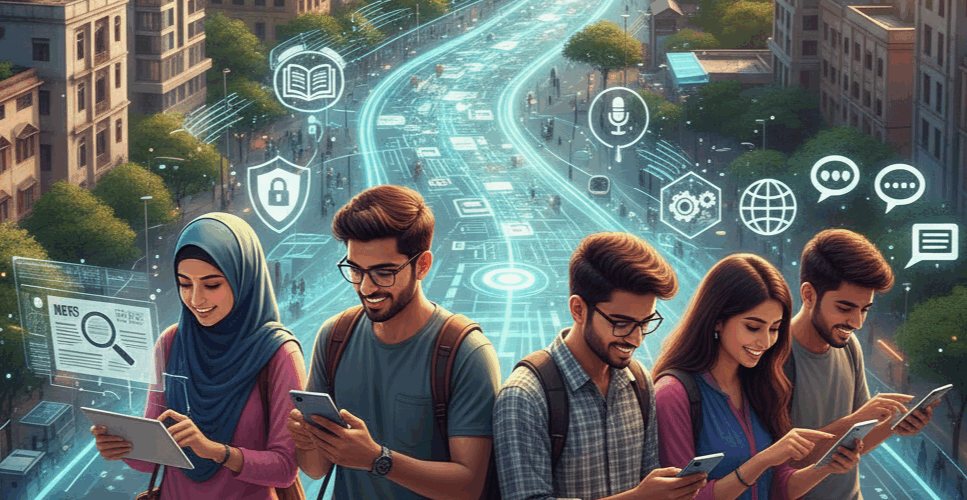
Bangladesh has entered a new digital era where technology is no longer a luxury but a necessity. With nearly 40% of the population under the age of 24, young people are at the heart of this transformation. They are the most active users of the internet, social media platforms, and digital communication tools. The rise of smartphones and affordable data has expanded digital access at an unprecedented pace. According to Bangladesh Telecommunication Regulatory Commission, more than 120 million people are now internet users in the country, with youth representing a significant share of this group.
This rapid digital expansion creates enormous opportunities for education, employment, and social engagement. However, it also brings complex challenges. Exposure to misinformation, online harassment, cyber-bullying, and data exploitation threatens young people’s safety, well-being, and trust in digital platforms. To navigate this complex environment, digital literacy and responsible social media use must become essential competencies for the youth of Bangladesh.
This article explores the current landscape of digital literacy and social media use among young people in Bangladesh. It examines opportunities and challenges, provides evidence-based analysis, and offers practical pathways to empower youth as responsible digital citizens.
Understanding Digital Literacy in the Youth Context
Digital literacy goes far beyond knowing how to use a computer or a smartphone. It includes the ability to find, evaluate, create, and communicate information online responsibly. UNESCO defines digital literacy as the capacity to use digital technology safely, critically, and effectively in learning, work, and life.
For Bangladeshi youth, digital literacy is directly linked to education, employment, and civic participation. Many young people use social media to learn new skills, build networks, or participate in social movements. However, a significant portion lacks the critical thinking skills required to evaluate information accurately. According to UNICEF’s 2023 digital skills report, nearly 60% of adolescents in South Asia struggle to distinguish between verified news and misinformation. In Bangladesh, the figure is even higher in rural and semi-urban areas, where structured digital education is limited.
Digital literacy involves three key elements:
- Critical Thinking – the ability to question, verify, and analyze online information.
- Fact-Checking Skills – the habit of cross-referencing sources and understanding media bias.
- Online Safety – the capacity to protect personal data, use strong passwords, and avoid harmful online interactions.
These are not optional skills anymore; they are survival skills in a hyper-connected society.
The Power and Risks of Social Media
Social media platforms have become a central space for youth in Bangladesh. Pew Research Center notes that more than 80% of Bangladeshi youth between 18 and 25 use platforms such as Facebook, YouTube, Instagram, and TikTok. These spaces allow them to connect with friends, follow trends, learn new things, and express their identities. For many, social media is also an informal classroom where they gain knowledge beyond traditional education systems.
Yet, these same platforms are also breeding grounds for misinformation, hate speech, online harassment, and data exploitation. A 2022 survey by the International Telecommunication Union revealed that over 75% of young social media users in South Asia have encountered harmful content online. In Bangladesh, young women and marginalized youth face a particularly high risk of cyber harassment and online abuse.
Responsible social media use is therefore essential. It is not about restricting young people from expressing themselves but helping them understand the consequences of their online behavior.
This includes three core areas:
- Positive Engagement – promoting constructive conversations and community-building.
- Respectful Communication – understanding digital etiquette and the impact of words.
- Privacy Awareness – protecting personal and community information from exploitation.
Youth Digital Engagement in Bangladesh: A Snapshot
To understand the context better, it is useful to examine how Bangladeshi youth engage with the digital world.
- Access: Internet penetration has grown from 13% in 2013 to over 70% in 2025. Urban youth are more connected, but rural youth are rapidly catching up through mobile devices.
- Usage: On average, young people in Bangladesh spend 3 to 5 hours online daily, mostly on social media platforms.
- Purpose: 40% use it for entertainment, 25% for education, 20% for communication, and 15% for employment and advocacy.
- Risks: 61% of youth reported exposure to false information, 34% faced some form of online harassment, and 47% are unaware of privacy protection measures.
(Source: a2i Program ICT in Education and Youth Report 2024)
This data paints a clear picture: access is expanding, but digital literacy is not keeping pace. Many young people are entering online spaces without the knowledge or skills needed to protect themselves or contribute meaningfully.
The Role of Digital Literacy in Empowering Youth
Strong digital literacy can transform how youth participate in society. It builds their confidence, strengthens their employability, and enhances their capacity to engage in civic life. In the education sector, digital literacy is linked to improved learning outcomes. For example, students who are trained to evaluate digital content critically show higher levels of reading comprehension and problem-solving skills.
In the labor market, digital literacy increases employability. Employers increasingly look for workers who can use technology effectively, whether in agriculture, services, or manufacturing. Youth who can navigate online platforms safely and critically are better equipped to access jobs, training, and entrepreneurship opportunities.
In civic life, digitally literate youth can identify misinformation, challenge harmful narratives, and participate in democratic processes. They can become advocates for social change, not just passive consumers of content.
Responsible Social Media Use as Civic Responsibility
Social media is not just a personal space. It is a public space where ideas spread fast. One post can reach thousands in minutes. This power brings responsibility. When youth communicate respectfully, share verified information, and protect their privacy, they help create a safer digital environment for everyone.
Bangladesh has seen powerful examples of youth using social media responsibly. Student-led campaigns on gender equality, climate justice, and mental health have gained national attention. These movements show that responsible engagement can strengthen democracy and amplify marginalized voices.
However, irresponsible use has also led to communal tension, spread of hate speech, and privacy violations. These incidents remind us that building a responsible digital culture requires collective effort from individuals, families, communities, and institutions.
Education and Capacity Building
Integrating digital literacy into the education system is one of the most effective ways to reach youth at scale. Bangladesh’s national curriculum has begun introducing ICT components, but these often focus on technical skills rather than critical engagement.
Practical steps to strengthen youth capacity include:
- Embedding digital literacy into primary, secondary, and tertiary education with a focus on critical thinking and ethical use.
- Training teachers to guide students in fact-checking, privacy protection, and respectful communication.
- Creating safe spaces in schools where students can discuss their online experiences and learn peer-to-peer.
- Expanding rural access through infrastructure investment and community learning centers.
Initiatives under the Ministry of Education (Bangladesh) and a2i Program already provide digital skill training to thousands of teachers and students. Strengthening and scaling these programs can create a national culture of digital responsibility.
Policy and Governance Dimensions
Strong policy frameworks are essential for digital safety and inclusion. Bangladesh has made progress in digital transformation, but policy gaps remain in youth protection and capacity building.
Key policy priorities include:
- Establishing clear guidelines for online safety and privacy protection in schools and communities.
- Regulating digital platforms to address misinformation, hate speech, and data misuse.
- Supporting youth-led innovation and digital entrepreneurship through targeted funding and mentorship.
- Bridging rural-urban and gender gaps in digital access.
These align with Sustainable Development Goal 4 on quality education and Sustainable Development Goal 16 on peace, justice, and strong institutions.
Gender and Inclusion Considerations
Digital access and safety are not equal for all youth. Girls, children with disabilities, and youth from low-income families often face more barriers. According to UNICEF, girls in rural Bangladesh are 30% less likely to use the internet than boys. Those who do often face higher risks of online harassment.
Inclusion must be at the center of digital literacy strategies. This means creating safe spaces for girls and marginalized groups, designing gender-sensitive training modules, and ensuring access to devices and connectivity for all.
Youth-Led Change
Youth are not just recipients of digital education; they are powerful agents of change. Many youth-led organizations in Bangladesh are already working to promote digital literacy, fact-checking, and online safety. Encouraging peer-to-peer education, youth leadership, and innovation can make digital literacy more relatable and sustainable.
For example, youth-led fact-checking platforms have gained popularity during elections and national debates. Online campaigns led by young climate activists have reached millions. These examples show that when given the right tools, young people can be the most effective advocates for responsible digital citizenship.
Challenges Ahead
Despite progress, several challenges remain.
- Misinformation Ecosystem: The speed of information spread outpaces fact-checking efforts.
- Limited Teacher Capacity: Many educators lack digital literacy training.
- Policy Gaps: Regulatory frameworks are not always youth-friendly.
- Inequitable Access: Rural and marginalized youth often lag behind.
Overcoming these challenges requires a multi-layered strategy that connects education, policy, community engagement, and technological innovation.
Recommendations
- National Digital Literacy Framework: Develop a structured framework that includes critical thinking, online safety, and responsible communication.
- Teacher Training Programs: Strengthen teacher capacity to deliver digital literacy education.
- Youth Engagement Platforms: Create spaces where young people can lead and co-create solutions.
- Inclusive Infrastructure: Expand rural connectivity and device access.
- Regulation and Safeguards: Strengthen data protection, content moderation, and youth safety measures.
- Partnerships: Foster collaboration between government, civil society, and tech companies to scale impact.
Conclusion
The digital world is reshaping what it means to grow up in Bangladesh. For youth, digital literacy and responsible social media use are not just skills they are essential tools for survival, participation, and leadership in the 21st century. Empowering young people with critical thinking, online safety awareness, and respectful communication skills can build a generation that not only uses technology but shapes its future.
A digital Bangladesh must not only be connected but also informed, safe, and inclusive. When youth are equipped to navigate the digital world responsibly, they can become powerful agents of change building stronger communities, better governance, and a more just society.
References
- UNESCO. (2022). Digital Literacy Global Framework.
- UNICEF. (2023). The State of the World’s Children and Digital Access.
- Pew Research Center. (2023). Internet and Social Media Use Among Youth.
- International Telecommunication Union. (2022). Measuring Digital Development.
- a2i Program. (2024). ICT in Education and Youth Report.
- Ministry of Education (Bangladesh). (2023). National Education Policy and Digital Strategy.
- Sustainable Development Goal 4 and Sustainable Development Goal 16 Frameworks.